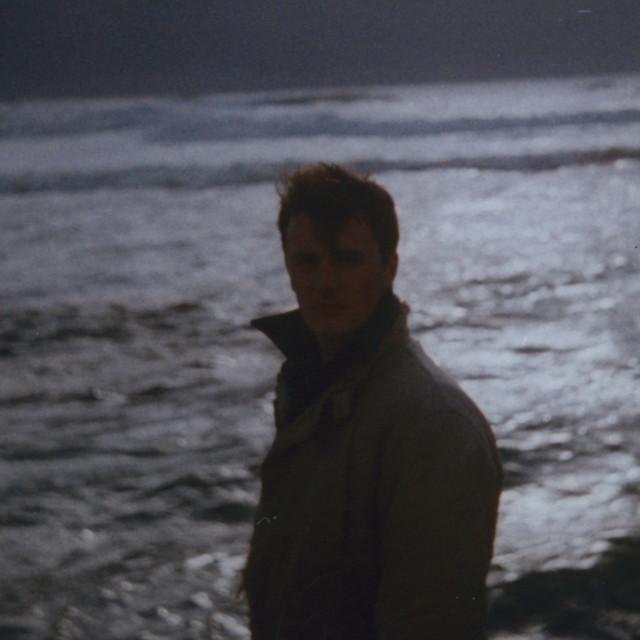
The Microphones

Pop
Indie Pop
Folk Rock
Alternative Rock
 Viberate Rank: 61904
 Viberate Rank: 61904
 Monthly ListenersFollowers
 Subscribers
 Followers
 Followers
 FansTop Spotify Songs
| Track | 7-Day Streams | |
|---|---|---|
1 | 67.33K | |
2 | 47.59K | |
3 | 35.53K | |
4 | 28.64K | |
5 | 25.50K |
Top YouTube VideosMonthly ListenersFeatured in Playlists| Playlist | Followers | |
|---|---|---|
1 |  slowcore Spotify | 212.03K |
2 |  00s Indie Folk Spotify | 127.70K |
3 | wicks Brennan McDowell | 43.73K |
4 |  Músicas tristes para chorar até soluçar Hits Brasil! | 40.19K |
5 |  New Indie Craft Indie | 39.69K |
Audience| City | Monthly Listeners | |
|---|---|---|
1 | | 4.38K |
2 | | 4.06K |
3 | | 3.96K |
4 |  | 3.95K |
5 | | 2.82K |
See full performance history, audience data, playlist activity, rankings, comparisons, and more in Viberate music analytics. Start with a free trial, then continue with a paid plan.
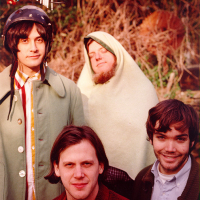
The Microphones’ Spotify BioThe project of lo-fi mastermind Phil Elverum in the 1990s and early 2000s, the Microphones introduced his searching, deeply personal music. Though he released a handful of albums during the project's original run, each one greatly expanded his music's ambitions, and the ambitions of indie rock and pop by extension. As early as 1999's Don't Wake Me Up, Elverum displayed a knack for making lo-fi music that was both sophisticated and direct, sometimes heartbreakingly so. His fragile voice was the perfect counterpoint to his sprawling, intricately arranged and produced music, particularly on 2001's classic The Glow, Pt. 2. On 2003's Mount Eerie, he further expanded his confessional, free-flowing songwriting as well as the impressionistic touches of ambient, folk, and black metal that he continued to explore as Mount Eerie later in the 2000s. When Elverum returned to the project with The Microphones in 2020, the strengths he had established years before were even richer.
Born and raised in… Anacortes, Washington, Elverum started playing music at a young age, taking up the tuba and drums as a child and starting his first band, Nubert Circus, when he was 14. While attending Anacortes High School, he worked at the local record store The Business. The store's owner, former Beat Happening member Bret Lunsford, invited Elverum to join his band D+ as its drummer, and he performed on the group's 1997 self-titled debut album and the following year's Dandelion Seeds. Lunsford also let Elverum record his own music with the equipment in the store's back room; the Microphones' first two cassettes, 1997's Microphone and Wires & Cords, appeared on Lunsford's Knw-Yr-Own label.
After graduating from high school, Elverum moved to Olympia, Washington to attend Evergreen State College. He soon met K Records founder Calvin Johnson and spent some time finishing the Microphones' first album at Johnson's Dub Narcotic Studios. Released in 1998 on Elsinor Records, Tests combined the Dub Narcotic recordings with songs from his earlier cassettes. Working as a producer and recording engineer at the studio, Elverum also issued a string of Microphones singles in 1999 -- Bass Drum Dream, "Feedback (Life, Love, Loop)," and Moon Moon -- as well as the project's second album, Don't Wake Me Up, which expanded the range of Elverum's music with dramatic climaxes, lo-fi rock, and delicate melodies.
Following a tour with labelmate Mirah, Elverum began working on the Microphones' next album. The first record in his elemental trilogy (which was inspired respectively by water, fire, and stone), September 2000's It Was Hot, We Stayed in the Water featured contributions from Mirah, Johnson, the Blow's Khaela Maricich, and Elverum's D+ bandmate Karl Blau and once again widened the scope of Elverum's music. That year also saw the release of Window, a collection of songs and excerpts from Don't Wake Me Up as well as other albums Elverum had worked on, including Mirah's You Think It's Like This But Really It's Like This. Early in 2001, the Microphones issued Blood, a limited-edition album that included a cover of Björk's "All Is Full of Love" as well as versions of the songs that would appear on Elverum's next album. Appearing that September, The Glow, Pt. 2 was released to widespread critical acclaim for its experimental sound -- which incorporated elements of black metal and ambient music as well as more typical indie rock and pop -- and its soul-searching songwriting. To support the record, Elverum, Johnson and Maricich performed a set of shows in North America and Europe known as the Paper Opera Tour.
After a set of solo dates, Elverum returned to Olympia and Dub Narcotic to work on the next Microphones album. During that time, the ultra-lo-fi 2002 album Little Bird Flies into a Big Black Cloud was released by St. Ives, while the singles collection Song Islands and single "Lanterns/Antlers" appeared on K. Named for the mountain on Fidalgo Island near where Elverum grew up, January 2003's Mount Eerie was an even more ambitious affair than its predecessor that told its story of life, death, and identity in five suite-like songs. (Drums from Mt. Eerie and Singing from Mt. Eerie, which singled out those musical elements, were also released at the same time).
Following a February 2003 tour of Japan with Johnson and Kyle Field that produced the concert album Live in Japan, Elverum retired the Microphones name and began working as Mount Eerie. In 2004, he married Canadian musician/illustrator Geneviève Castrée of Woelv and Ô Paon and founded the label P.W. Elverum & Sun. In 2007, K Records reissued The Glow, Pt. 2 with a collection of previously unreleased music called Other Songs & Destroyed Visions. That year also saw the release of the Microphones single Don't Smoke/Get off the Internet. Elverum remained prolific as Mount Eerie, with highlights including the metal-influenced majesty of 2009's Wind's Poem, the serene electro-acoustic meditations of Clear Moon, and the dense soundscapes of Ocean Roar (both from 2012). In 2013, P.W. Elverum & Sun reissued the Microphones' albums, and the archival collection Early Tapes 1996-1998 followed in 2016.
After documenting the aftermath of Castrée's death from pancreatic cancer on 2017's A Crow Looked at Me and 2018's Now Only, Elverum played a July 2019 show as the Microphones. A year later, he further revisited the project with The Microphones in 2020, an album consisting of one 40-minute song that he played on the first guitar he owned. ~ Heather Phares, Rovi
Viberate is a music analytics platform built for A&Rs, artist managers, labels, booking agents, marketers, and artists.
It helps music professionals track artist growth, analyze audience data, monitor playlist activity, compare artists, follow song performance, and identify opportunities across the music market.
Public artist pages provide a free preview of selected artist data. Paid plans provide access to deeper analytics, historical data, charts, comparisons, playlist tools, exports, alerts, reports, and additional professional features.
Yes. Public Viberate artist pages provide selected artist analytics and music data for free.
Viberate also offers a 7-day free trial of the full platform. A credit card is required to start the trial. The trial includes access to the complete product so users can test deeper artist analytics, historical views, playlist insights, comparisons, charts, exports, alerts, and reporting features before choosing a paid plan.
Viberate provides artist analytics across streaming, playlists, social media, video, radio airplay, songs, and audience markets.
Users can analyze Spotify performance, Spotify and Apple Music playlists, YouTube activity, TikTok and Instagram growth, radio spins, song performance, audience locations, demographics, rankings, and overall artist momentum.
Artist profiles also connect to music charts, similar artists, and comparison tools, helping users benchmark performance and evaluate artists in context.
Viberate updates key artist and track data daily.
For followed artists and tracks, selected data is refreshed multiple times per day. This helps teams monitor playlist changes, streaming movement, audience growth, releases, and campaign performance with more current data.
Update frequency can vary depending on the metric and data source.
Yes. Viberate lets users compare up to five artists side by side across streaming, social media, audience, and engagement metrics.
Users can compare fanbase growth, audience demographics, locations, Spotify performance, social metrics, and other artist data over selected time periods.
Artist comparison can be used for A&R scouting, benchmarking, booking decisions, campaign planning, and evaluating artists with similar audiences or market positions.