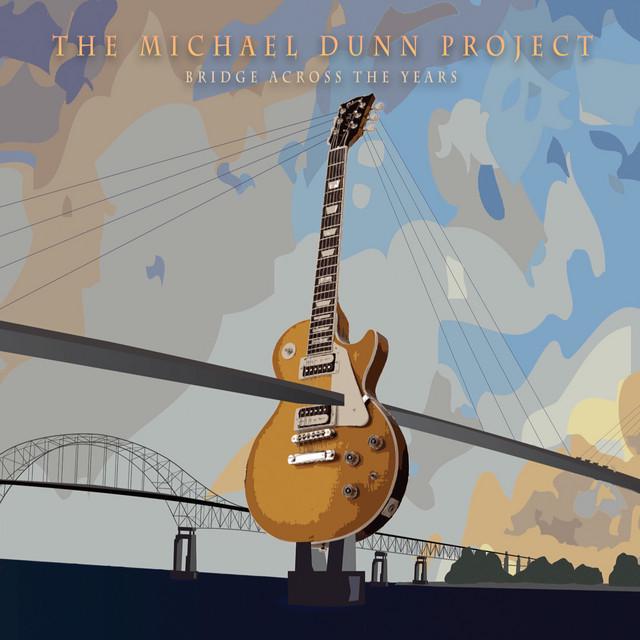
The Michael Dunn Project

Rock
Alternative Rock
Progressive Rock
 Viberate Rank: 837140
 Viberate Rank: 837140
 Monthly ListenersFollowers
 Subscribers
 Followers
 Followers
 FansTop Spotify Songs
| Track | 7-Day Streams | |
|---|---|---|
1 | 6 | |
2 | 5 | |
3 | 5 | |
4 | 4 | |
5 | 3 |
Top YouTube VideosMonthly ListenersFeatured in Playlists| Playlist | Followers | |
|---|---|---|
1 |  Best New Prog Rock 2000 Onwards Presagio Records | 10.95K |
2 | Progressive Rock Geraldo Adami | 8.04K |
Audience| City | Monthly Listeners | |
|---|---|---|
1 |  | 3 |
See full performance history, audience data, playlist activity, rankings, comparisons, and more in Viberate music analytics. Start with a free trial, then continue with a paid plan.
The Michael Dunn Project’s Spotify BioThe album 40 years in the making.
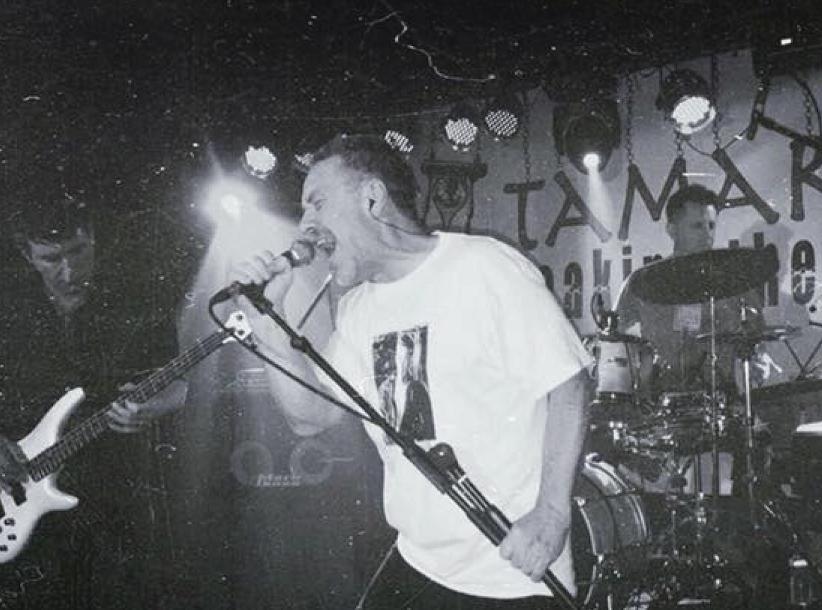
Once upon a time, Michael Dunn was a 'long haired git' playing guitar in the Vancouver bar scene. A shift into the world of recording studios as a trainee engineer at Vancouver's famed Mushroom Studios introduced him to many of Canada's top recording artists of the day including Trooper, Prism, Chilliwack and more. Late night sessions that ended after the buses stopped running saw him driving a young lad from North Vancouver home each night. (We understand that Bryan Adams did quite well with his musical pursuits).
Having had numerous conversations in recent years with acts and fans both locally and overseas, he heard the same issues over and over:
- Bands struggling to grow their audiences to the point where they could at least pay the rent.
- Fans disinterested in the majority of content hitting their ears via mainstream sources and simply not having the time to sift through the tsunami of music getting released to find "good stuff". Older fans, in… particular, resigning themselves to just listening to the stuff they grew up with over and over.
It was his desire to tackle these issues that ultimately provided the motivation to finally produce his own album (40 years after writing the first two songs) so he could use himself as a guinea pig to test ideas he had about how to create a sustainable career in music for independent artists. Get more details and see who he's collaborating with at https://michaeldunnproject.com/
Viberate is a music analytics platform built for A&Rs, artist managers, labels, booking agents, marketers, and artists.
It helps music professionals track artist growth, analyze audience data, monitor playlist activity, compare artists, follow song performance, and identify opportunities across the music market.
Public artist pages provide a free preview of selected artist data. Paid plans provide access to deeper analytics, historical data, charts, comparisons, playlist tools, exports, alerts, reports, and additional professional features.
Yes. Public Viberate artist pages provide selected artist analytics and music data for free.
Viberate also offers a 7-day free trial of the full platform. A credit card is required to start the trial. The trial includes access to the complete product so users can test deeper artist analytics, historical views, playlist insights, comparisons, charts, exports, alerts, and reporting features before choosing a paid plan.
Viberate provides artist analytics across streaming, playlists, social media, video, radio airplay, songs, and audience markets.
Users can analyze Spotify performance, Spotify and Apple Music playlists, YouTube activity, TikTok and Instagram growth, radio spins, song performance, audience locations, demographics, rankings, and overall artist momentum.
Artist profiles also connect to music charts, similar artists, and comparison tools, helping users benchmark performance and evaluate artists in context.
Viberate updates key artist and track data daily.
For followed artists and tracks, selected data is refreshed multiple times per day. This helps teams monitor playlist changes, streaming movement, audience growth, releases, and campaign performance with more current data.
Update frequency can vary depending on the metric and data source.
Yes. Viberate lets users compare up to five artists side by side across streaming, social media, audience, and engagement metrics.
Users can compare fanbase growth, audience demographics, locations, Spotify performance, social metrics, and other artist data over selected time periods.
Artist comparison can be used for A&R scouting, benchmarking, booking decisions, campaign planning, and evaluating artists with similar audiences or market positions.