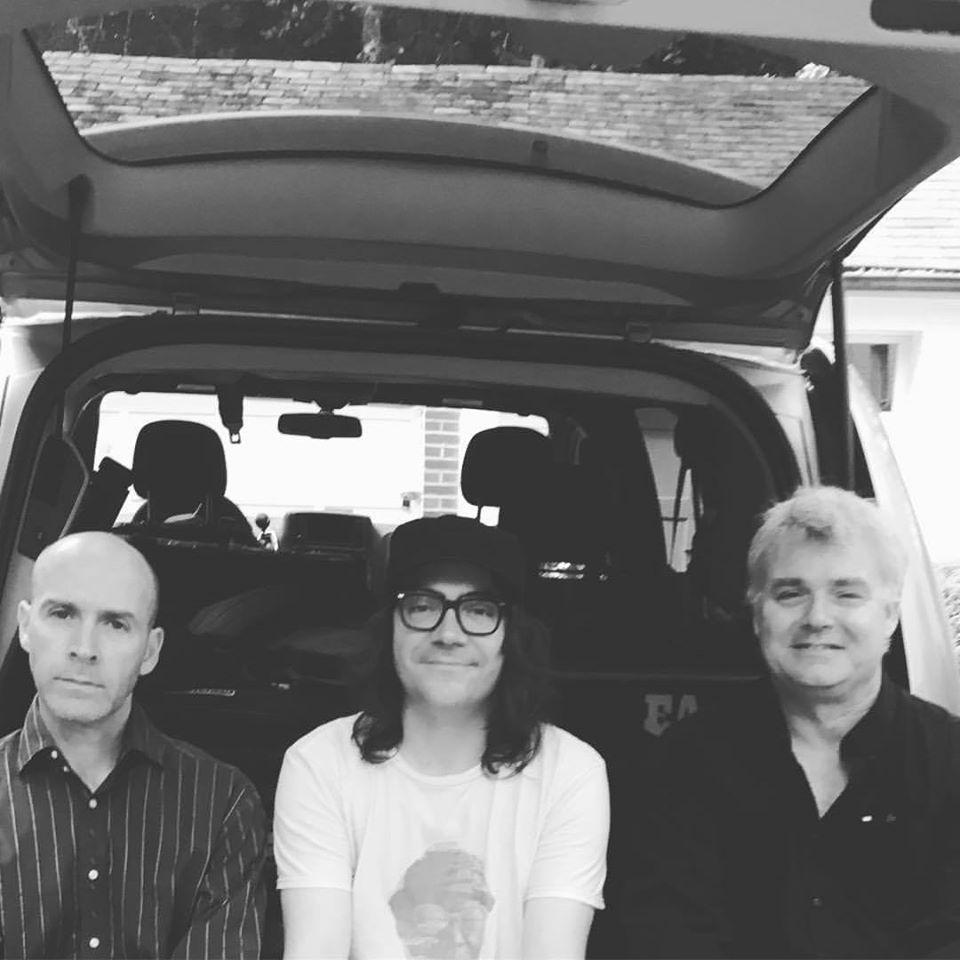
The Messthetics

Rock
Alternative Rock
Jazz Fusion
 Viberate Rank: 144265
 Viberate Rank: 144265
 Monthly ListenersFollowers
 Subscribers
 Followers
 Followers
 FansTop Spotify Songs
| Track | 7-Day Streams | |
|---|---|---|
1 | 2.82K | |
2 | 622 | |
3 | 490 | |
4 | 454 | |
5 | 416 |
Top YouTube VideosMonthly ListenersFeatured in Playlists| Playlist | Followers | |
|---|---|---|
1 |  Jazz-Funk Spotify | 425.82K |
2 |  Pitchfork Selects Pitchfork | 69.91K |
3 |  NPR Tiny Desk Concerts: compilation Tatiana Mangericão | 64.21K |
4 |  Prog Jazz Spotify | 63.33K |
5 |  NPR All Songs Considered - The Bob Boilen years (unofficial) Fri Tsch | 30.02K |
Audience| City | Monthly Listeners | |
|---|---|---|
1 |  | 194 |
2 | | 171 |
3 |  | 164 |
4 | | 162 |
5 |  | 162 |
See full performance history, audience data, playlist activity, rankings, comparisons, and more in Viberate music analytics. Start with a free trial, then continue with a paid plan.
The Messthetics’ Spotify BioDeface The Currency, the new second collaborative album from the Messthetics and James Brandon Lewis, grew out of a simple intuition. The group — with saxophonist Lewis joining the core Messthetics lineup of Brendan Canty on drums, Joe Lally on bass and Anthony Pirog on guitar — was on tour in the summer of 2025 when Canty knew it was time to go back into the studio.
The Messthetics formed in 2016 in Washington, D.C., drawn together by mutual admiration: Pirog had grown up listening to Fugazi, the era-defining post-hardcore band anchored by the rhythm section of Lally and Canty, while the bassist and drummer heard the genre-spanning guitar visionary play around town and took note of his unusually inclusive aesthetic. Pirog had played and bonded with Lewis before the Messthetics formed, and in 2019, he invited the saxophonist — whose massive, soulful sound has made him a star of the contemporary jazz scene — to sit in with the group live. The collaboration blossomed and eventually led to… an acclaimed self-titled album via Impulse!, the legendary jazz label.
But as the quartet logged serious time on the road, Canty felt their chemistry evolving, so he called up engineer Don Godwin and booked a couple of days at Tonal Park in Takoma Park, Maryland.
“The more you know someone, the better the relationship is, the more enriched it becomes,” Lewis says of Deface The Currency. “It’s like a cast-iron skillet: The more you keep cooking in it, the better the food gets.”
Viberate is a music analytics platform built for A&Rs, artist managers, labels, booking agents, marketers, and artists.
It helps music professionals track artist growth, analyze audience data, monitor playlist activity, compare artists, follow song performance, and identify opportunities across the music market.
Public artist pages provide a free preview of selected artist data. Paid plans provide access to deeper analytics, historical data, charts, comparisons, playlist tools, exports, alerts, reports, and additional professional features.
Yes. Public Viberate artist pages provide selected artist analytics and music data for free.
Viberate also offers a 7-day free trial of the full platform. A credit card is required to start the trial. The trial includes access to the complete product so users can test deeper artist analytics, historical views, playlist insights, comparisons, charts, exports, alerts, and reporting features before choosing a paid plan.
Viberate provides artist analytics across streaming, playlists, social media, video, radio airplay, songs, and audience markets.
Users can analyze Spotify performance, Spotify and Apple Music playlists, YouTube activity, TikTok and Instagram growth, radio spins, song performance, audience locations, demographics, rankings, and overall artist momentum.
Artist profiles also connect to music charts, similar artists, and comparison tools, helping users benchmark performance and evaluate artists in context.
Viberate updates key artist and track data daily.
For followed artists and tracks, selected data is refreshed multiple times per day. This helps teams monitor playlist changes, streaming movement, audience growth, releases, and campaign performance with more current data.
Update frequency can vary depending on the metric and data source.
Yes. Viberate lets users compare up to five artists side by side across streaming, social media, audience, and engagement metrics.
Users can compare fanbase growth, audience demographics, locations, Spotify performance, social metrics, and other artist data over selected time periods.
Artist comparison can be used for A&R scouting, benchmarking, booking decisions, campaign planning, and evaluating artists with similar audiences or market positions.