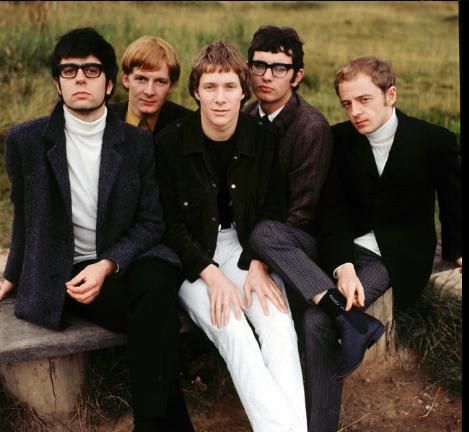
The McCoys

Blues
Blues Rock
Mainstream Pop
 Viberate Rank: 63925
 Viberate Rank: 63925
 Monthly ListenersFollowers
 Subscribers
 Followers
 Followers
 FansTop Spotify Songs
| Track | 7-Day Streams | |
|---|---|---|
1 | 95.10K | |
2 | 13.32K | |
3 | 4.99K | |
4 | 3.32K | |
5 | 1.64K |
Top YouTube VideosMonthly ListenersFeatured in Playlists| Playlist | Followers | |
|---|---|---|
1 |  All Out 60s Spotify | 3.19M |
2 |  Vietnam War Music Extra Music | 754.39K |
3 |  Easy 60s Spotify | 366.22K |
4 |  60s Party Spotify | 344.29K |
5 | Classic Rock Greatest Hits Scott Pruden | 341.40K |
Audience| City | Monthly Listeners | |
|---|---|---|
1 |  | 3.93K |
2 | | 3.77K |
3 | | 3.67K |
4 | | 2.72K |
5 |  | 2.63K |
See full performance history, audience data, playlist activity, rankings, comparisons, and more in Viberate music analytics. Start with a free trial, then continue with a paid plan.
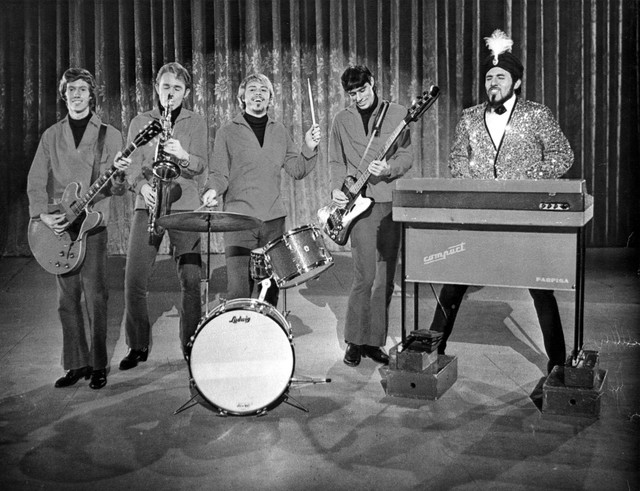
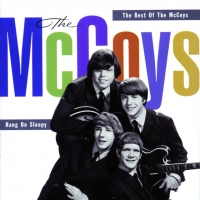
The McCoys’ Spotify BioThis Indiana group was still in high school when they were tapped by the Strangeloves production team of Feldman-Goldstein-Gottehrer as a vehicle for their material in 1965. Their first effort, "Hang on Sloopy," was a monster number one smash, built around a riff and chorus that ranks with "Louie Louie" and "La Bamba" as a garage band perennial with its compelling, elemental simplicity. Featuring the lead vocals and lead guitar of a young Rick Derringer, they went on to cut a lot of similar chunky, innocuous pop/rock over the next couple years with fair success. The "Hang on Sloopy" sound-alike "Fever" was their only other Top Ten entry, and the Ritchie Valens cover "C'Mon Let's Go" their only other Top 40 hit.
The McCoys recorded very little original material during their early years at Bang Records; most of it was supplied by the Feldman-Goldstein-Gottehrer production team, much of which consisted of unexceptional derivations of the "Hang on Sloopy" prototype. Notable exceptions were… the folky "Sorrow," covered for a Top Ten hit by the Merseys in Great Britain (and covered by David Bowie on Pin Ups a decade later), and the adventurous Middle Eastern-tinged garage psychedelia of "Don't Worry Mother," their best cut besides "Hang on Sloopy." The McCoys proved unusually durable after their career as a teen pop band; in the late '60s, they broke from their Bang producers to record psychedelic and progressive rock for Mercury. Most of the group joined Johnny Winter's backup band in the early '70s, and in 1973 Rick Derringer joined the Edgar Winter group as lead guitarist and vocalist, after which he had a successful hard rock solo career. ~ Richie Unterberger, Rovi
Viberate is a music analytics platform built for A&Rs, artist managers, labels, booking agents, marketers, and artists.
It helps music professionals track artist growth, analyze audience data, monitor playlist activity, compare artists, follow song performance, and identify opportunities across the music market.
Public artist pages provide a free preview of selected artist data. Paid plans provide access to deeper analytics, historical data, charts, comparisons, playlist tools, exports, alerts, reports, and additional professional features.
Yes. Public Viberate artist pages provide selected artist analytics and music data for free.
Viberate also offers a 7-day free trial of the full platform. A credit card is required to start the trial. The trial includes access to the complete product so users can test deeper artist analytics, historical views, playlist insights, comparisons, charts, exports, alerts, and reporting features before choosing a paid plan.
Viberate provides artist analytics across streaming, playlists, social media, video, radio airplay, songs, and audience markets.
Users can analyze Spotify performance, Spotify and Apple Music playlists, YouTube activity, TikTok and Instagram growth, radio spins, song performance, audience locations, demographics, rankings, and overall artist momentum.
Artist profiles also connect to music charts, similar artists, and comparison tools, helping users benchmark performance and evaluate artists in context.
Viberate updates key artist and track data daily.
For followed artists and tracks, selected data is refreshed multiple times per day. This helps teams monitor playlist changes, streaming movement, audience growth, releases, and campaign performance with more current data.
Update frequency can vary depending on the metric and data source.
Yes. Viberate lets users compare up to five artists side by side across streaming, social media, audience, and engagement metrics.
Users can compare fanbase growth, audience demographics, locations, Spotify performance, social metrics, and other artist data over selected time periods.
Artist comparison can be used for A&R scouting, benchmarking, booking decisions, campaign planning, and evaluating artists with similar audiences or market positions.