The Max Levine Ensemble

Punk
Pop Punk
Folk Punk
 Viberate Rank: 517596
 Viberate Rank: 517596
 Monthly ListenersFollowers
 Subscribers
 Followers
 Followers
 FansTop Spotify SongsTop YouTube Videos
| Video | 7-Day Views | |
|---|---|---|
1 | 5 | |
2 | 4 | |
3 | 3 | |
4 | 2 | |
5 | 2 |
Monthly ListenersFeatured in Playlists| Playlist | Followers | |
|---|---|---|
1 |  PUNK ROCK sebastien.gautier | 8.46K |
2 |  Punk Rock Radio Nick Worthington | 4.83K |
3 |  The Sound of Folk Punk The Sounds of Spotify | 2.40K |
4 |  Political and Protest Songs Dylan Parsons | 2.22K |
5 |  Queer BIPOC Punk Lee Goldenberg | 1.75K |
Audience| City | Monthly Listeners | |
|---|---|---|
1 | | 17 |
2 | | 14 |
3 | | 13 |
4 | | 12 |
5 | | 8 |
See full performance history, audience data, playlist activity, rankings, comparisons, and more in Viberate music analytics. Start with a free trial, then continue with a paid plan.
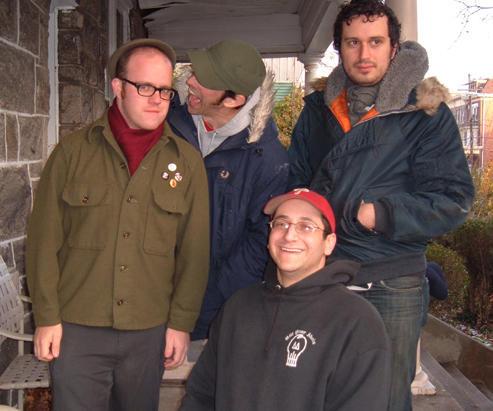
The Max Levine Ensemble’s Spotify BioWashington D.C., pop-punk band the Max Levine Ensemble was formed in 2000 by singer/guitarist David Combs, bassist Ben Epstein, and drummer Nick Popovici. Named after Combs' high school friend Max Levine, who first turned him on to both punk music and radical politics, the trio turned in a pair of homemade CD-R releases in 2001 and 2002 that were later reissued on Fight the Octopus Records. Their quirky sound blended playful lyrics that were socially and politically aware with rousing, melodic pop-punk. Their third LP and first proper label release, How to Build an Intergalactic Time Machine, arrived in 2003 and was followed by a couple of split 7" releases with Operation: Cliff Claven and the Spirit Animals. Throughout the decade the band continued to tour frequently, releasing their fourth album on Plan-It-X Records and taking part in the label's bus tour. After being ridiculed on punk singer/radio host Ben Weasel's ESPN radio show in 2008, they took their revenge on a track called… "Ben Weasel Thinks We Suck" which posed as a fake collaboration with Weasel by sampling material from his show. A 2010 EP on Asian Man Records was followed by the anthology Mr. Gikokovich 2000-2005: A Retrospective. After 2011's The Elephant in the Room EP, the band remained relatively quiet with Combs dedicating time to his solo project Spoonboy. In 2015, the Max Levine Ensemble returned with Backlash, Baby, their fifth album and first full-length release in eight years. ~ Timothy Monger, Rovi
Viberate is a music analytics platform built for A&Rs, artist managers, labels, booking agents, marketers, and artists.
It helps music professionals track artist growth, analyze audience data, monitor playlist activity, compare artists, follow song performance, and identify opportunities across the music market.
Public artist pages provide a free preview of selected artist data. Paid plans provide access to deeper analytics, historical data, charts, comparisons, playlist tools, exports, alerts, reports, and additional professional features.
Yes. Public Viberate artist pages provide selected artist analytics and music data for free.
Viberate also offers a 7-day free trial of the full platform. A credit card is required to start the trial. The trial includes access to the complete product so users can test deeper artist analytics, historical views, playlist insights, comparisons, charts, exports, alerts, and reporting features before choosing a paid plan.
Viberate provides artist analytics across streaming, playlists, social media, video, radio airplay, songs, and audience markets.
Users can analyze Spotify performance, Spotify and Apple Music playlists, YouTube activity, TikTok and Instagram growth, radio spins, song performance, audience locations, demographics, rankings, and overall artist momentum.
Artist profiles also connect to music charts, similar artists, and comparison tools, helping users benchmark performance and evaluate artists in context.
Viberate updates key artist and track data daily.
For followed artists and tracks, selected data is refreshed multiple times per day. This helps teams monitor playlist changes, streaming movement, audience growth, releases, and campaign performance with more current data.
Update frequency can vary depending on the metric and data source.
Yes. Viberate lets users compare up to five artists side by side across streaming, social media, audience, and engagement metrics.
Users can compare fanbase growth, audience demographics, locations, Spotify performance, social metrics, and other artist data over selected time periods.
Artist comparison can be used for A&R scouting, benchmarking, booking decisions, campaign planning, and evaluating artists with similar audiences or market positions.