The Margarets

Rock
Alternative Rock
Mainstream Pop
 Viberate Rank: 620137
 Viberate Rank: 620137
 Monthly ListenersFollowers
 Subscribers
 Followers
 Followers
 FansTop Spotify Songs
| Track | 7-Day Streams | |
|---|---|---|
1 | 111 | |
2 | 111 | |
3 | 67 | |
4 | 67 | |
5 | 54 |
Top YouTube Videos| Video | 7-Day Views | |
|---|---|---|
1 | 15 | |
2 | 2 |
Monthly ListenersFeatured in Playlists| Playlist | Followers | |
|---|---|---|
1 | Harry Hole Jan Gulbrandsen | 2.89K |
2 |  VG-lista 1990-2018 oenilsen | 2.58K |
3 |  Stjernepose musikk frå NRK P13 odimctcu | 1.77K |
4 | Acclaimed Music Top 6000 Songs of All Time Henrik Franzon | 1.62K |
5 |  Prince - Tributes and Covers Rob Goodman | 1.08K |
Audience| City | Monthly Listeners | |
|---|---|---|
1 | | 150 |
2 | | 59 |
3 | | 28 |
4 | | 27 |
5 | | 27 |
See full performance history, audience data, playlist activity, rankings, comparisons, and more in Viberate music analytics. Start with a free trial, then continue with a paid plan.
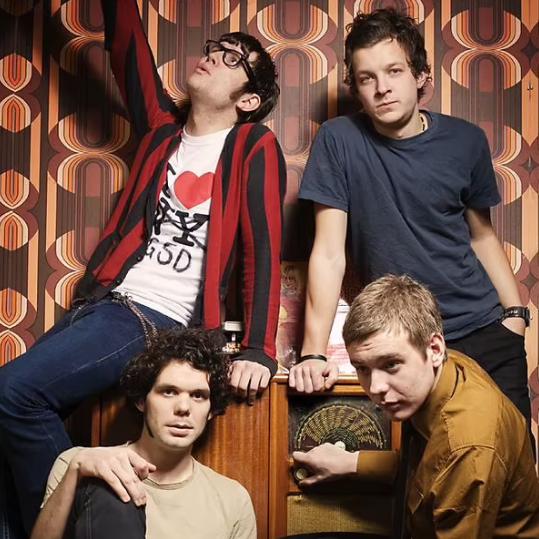
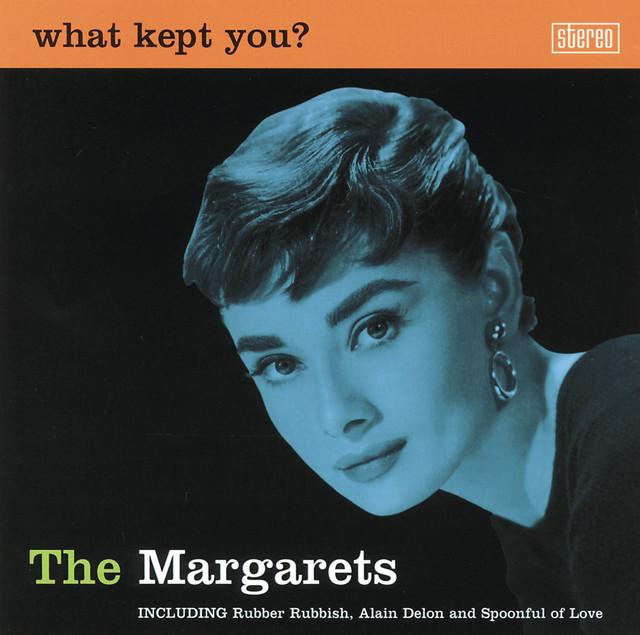
The Margarets’ Spotify BioThe Margarets are a Norwegian pop band whose debut single, "Rubber Rubbish," was a break-out hit single in 2001. Formed in 1991 on the small island of Giske (population 6,000), off the coast of Ålesund, Norway, the band is comprised of Alex Rinde (vocals), Rune Berg (guitar), Ante Rune Giskeødegård (guitar), Lars Berg (bass), and Ronnie Michael André Giskegjerde Larsen (drums). The Margarets are predominantly influenced by bands from Manchester, England, above all the Smiths, Joy Division, and the Stone Roses. The band relocated to Oslo toward the end of the decade and broke into the Norwegian pop mainstream in 2001 with their debut commercial release, "Rubber Rubbish," a near-chart-topper that went all the way to number two on the domestic singles chart. The Margarets made their album debut the following year with What Kept You? (2002), another number two hit on the Norwegian charts. While subsequent albums Love Will Haunt You Down (2005) and Twenty Years Erased (2008) failed to rival… the blockbuster commercial success of the band's debut full-length, they were nonetheless popular, reaching the Top Five and Top Ten respectively, and were well received by critics. Moreover, Twenty Years Erased earned the band a 2009 Spellemannsprisen (i.e., Norwegian Grammy) nomination for Best Pop Band of the Year. Fourth album Look for Love (2008) spawned a couple singles in "One Summer Night" and "Look for Love." ~ Jason Birchmeier
Viberate is a music analytics platform built for A&Rs, artist managers, labels, booking agents, marketers, and artists.
It helps music professionals track artist growth, analyze audience data, monitor playlist activity, compare artists, follow song performance, and identify opportunities across the music market.
Public artist pages provide a free preview of selected artist data. Paid plans provide access to deeper analytics, historical data, charts, comparisons, playlist tools, exports, alerts, reports, and additional professional features.
Yes. Public Viberate artist pages provide selected artist analytics and music data for free.
Viberate also offers a 7-day free trial of the full platform. A credit card is required to start the trial. The trial includes access to the complete product so users can test deeper artist analytics, historical views, playlist insights, comparisons, charts, exports, alerts, and reporting features before choosing a paid plan.
Viberate provides artist analytics across streaming, playlists, social media, video, radio airplay, songs, and audience markets.
Users can analyze Spotify performance, Spotify and Apple Music playlists, YouTube activity, TikTok and Instagram growth, radio spins, song performance, audience locations, demographics, rankings, and overall artist momentum.
Artist profiles also connect to music charts, similar artists, and comparison tools, helping users benchmark performance and evaluate artists in context.
Viberate updates key artist and track data daily.
For followed artists and tracks, selected data is refreshed multiple times per day. This helps teams monitor playlist changes, streaming movement, audience growth, releases, and campaign performance with more current data.
Update frequency can vary depending on the metric and data source.
Yes. Viberate lets users compare up to five artists side by side across streaming, social media, audience, and engagement metrics.
Users can compare fanbase growth, audience demographics, locations, Spotify performance, social metrics, and other artist data over selected time periods.
Artist comparison can be used for A&R scouting, benchmarking, booking decisions, campaign planning, and evaluating artists with similar audiences or market positions.