The Lovin Spoonful

Rock
Pop Rock
Folk Rock
 Viberate Rank: 17203
 Viberate Rank: 17203
 Monthly ListenersFollowers
 Subscribers
 Followers
 Followers
 FansTop Spotify Songs
| Track | 7-Day Streams | |
|---|---|---|
1 | 341.27K | |
2 | 206.58K | |
3 | 103.86K | |
4 | 96.80K | |
5 | 14.21K |
Top YouTube VideosMonthly ListenersFeatured in Playlists| Playlist | Followers | |
|---|---|---|
1 |  All Out 60s Spotify | 3.19M |
2 |  Classic Oldies Spotify | 1.46M |
3 |  60s Rock Anthems Spotify | 1.02M |
4 |  Family Road Trip Spotify | 757.09K |
5 |  Vietnam War Music Extra Music | 754.51K |
Audience| City | Monthly Listeners | |
|---|---|---|
1 |  | 23.48K |
2 | | 21.66K |
3 | | 20.55K |
4 |  | 19.87K |
5 | | 19.82K |
See full performance history, audience data, playlist activity, rankings, comparisons, and more in Viberate music analytics. Start with a free trial, then continue with a paid plan.
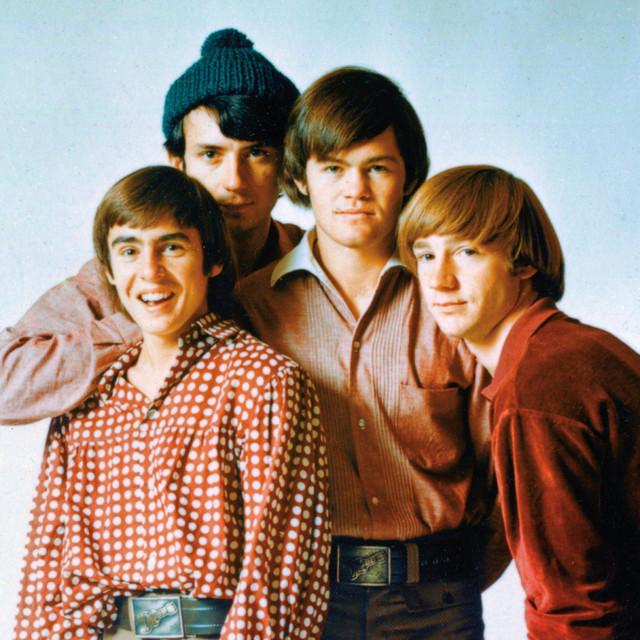
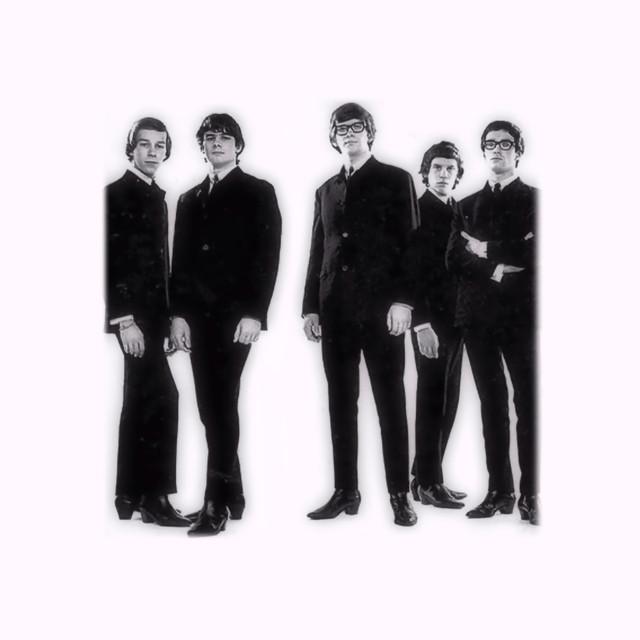
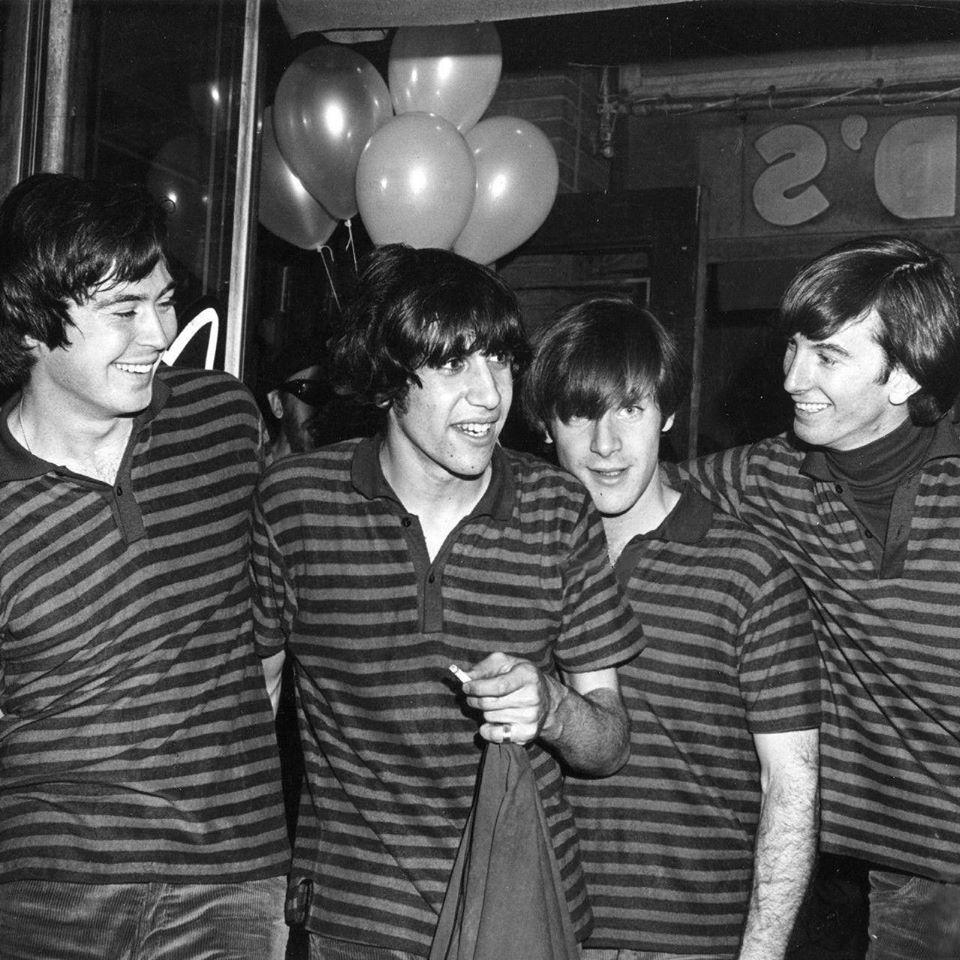
The Lovin Spoonful’s Spotify BioRight on the tails of the Beau Brummels and the Byrds, the Lovin' Spoonful were among the first American groups to challenge the domination of the British Invasion bands in the mid-'60s. Between mid-1965 and the end of 1967, the group was astonishingly successful, issuing one classic hit single after another, including "Do You Believe in Magic?," "You Didn't Have to Be So Nice," "Daydream," "Summer in the City," "Rain on the Roof," "Nashville Cats," and "Six O'Clock." Like most of the folk-rockers, the Lovin' Spoonful were more pop and rock than folk. Much more than the Byrds, and even more than the Mamas & the Papas, the Spoonful exhibited a brand of unabashedly melodic, cheery, and good-time music, though their biggest single, the chart-topping "Summer in the City," was uncharacteristically riff-driven and hard-driving.
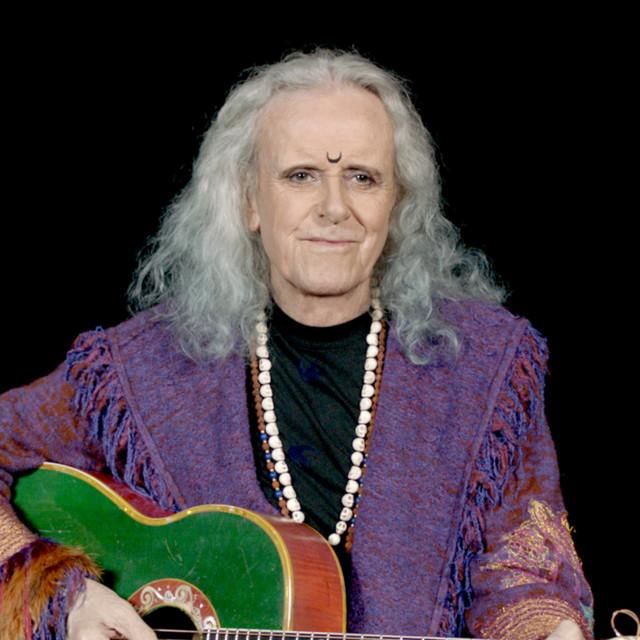
Leader and principal songwriter John Sebastian was a young veteran of the Greenwich Village folk scene when he formed the band in 1965 with Zal Yanovsky, who'd already… played primitive folk-rock of a sort with future members of the Mamas & the Papas in the Mugwumps. Sebastian already had some recording experience under his belt, playing harmonica (his father was a virtuoso classical harmonica player) on sessions by folkies like Tom Rush and Fred Neil. The Spoonful were rounded out by Steve Boone on bass and Joe Butler on drums. After some tentative interest from Phil Spector (who considered producing them), they ended up signing with Kama Sutra. Sebastian's autoharp (which would also decorate several subsequent tracks) helped propel "Do You Believe in Magic?" into the Top Ten in late 1965.
The Lovin' Spoonful were torn asunder by a drug bust in 1967. Boone and Yanovsky were arrested in California for marijuana possession, and evidently got out of trouble by turning in their source. This didn't sit well with the burgeoning counterculture, which called for a boycott of Spoonful product, although the effect on their sales may have been overestimated; most of the people who bought Spoonful records were average teenage Americans, not hippies. Yanovsky left the band in mid-1967, to be replaced by Jerry Yester, former producer of the Association.
The band had a few more minor hits but couldn't survive the loss of John Sebastian, who effectively closed the chapter by leaving in 1968, although the group continued on briefly under the helm of Butler. Sebastian went on to success as a singer/songwriter in the 1970s. Live at the Hotel Seville, the first new Lovin' Spoonful album in three decades, was released in 1999. ~ Richie Unterberger, Rovi
Viberate is a music analytics platform built for A&Rs, artist managers, labels, booking agents, marketers, and artists.
It helps music professionals track artist growth, analyze audience data, monitor playlist activity, compare artists, follow song performance, and identify opportunities across the music market.
Public artist pages provide a free preview of selected artist data. Paid plans provide access to deeper analytics, historical data, charts, comparisons, playlist tools, exports, alerts, reports, and additional professional features.
Yes. Public Viberate artist pages provide selected artist analytics and music data for free.
Viberate also offers a 7-day free trial of the full platform. A credit card is required to start the trial. The trial includes access to the complete product so users can test deeper artist analytics, historical views, playlist insights, comparisons, charts, exports, alerts, and reporting features before choosing a paid plan.
Viberate provides artist analytics across streaming, playlists, social media, video, radio airplay, songs, and audience markets.
Users can analyze Spotify performance, Spotify and Apple Music playlists, YouTube activity, TikTok and Instagram growth, radio spins, song performance, audience locations, demographics, rankings, and overall artist momentum.
Artist profiles also connect to music charts, similar artists, and comparison tools, helping users benchmark performance and evaluate artists in context.
Viberate updates key artist and track data daily.
For followed artists and tracks, selected data is refreshed multiple times per day. This helps teams monitor playlist changes, streaming movement, audience growth, releases, and campaign performance with more current data.
Update frequency can vary depending on the metric and data source.
Yes. Viberate lets users compare up to five artists side by side across streaming, social media, audience, and engagement metrics.
Users can compare fanbase growth, audience demographics, locations, Spotify performance, social metrics, and other artist data over selected time periods.
Artist comparison can be used for A&R scouting, benchmarking, booking decisions, campaign planning, and evaluating artists with similar audiences or market positions.