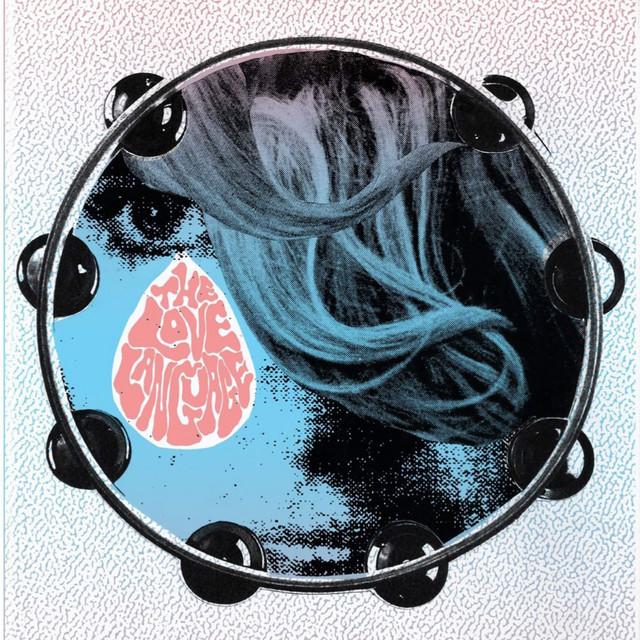
The Love Language

Rock
Indie Rock
Indie Pop
 Viberate Rank: 254221
 Viberate Rank: 254221
 Monthly ListenersFollowers
 Subscribers
 Followers
 Followers
 FansTop Spotify Songs
| Track | 7-Day Streams | |
|---|---|---|
1 | 822 | |
2 | 531 | |
3 | 462 | |
4 | 242 | |
5 | 108 |
Top YouTube VideosMonthly ListenersFeatured in Playlists| Playlist | Followers | |
|---|---|---|
1 |  underground indie rock but it’s actually underground Traintle | 15.29K |
2 |  CESARE’S “ENDLESS” PLAYLIST Cesare Cremonini | 9.96K |
3 |  KEXP's Song of the Day 2018 KEXP | 9.15K |
4 | Blue Moon Collection Spotify | 7.90K |
5 | Aquarium Drunkard Radio J.B. Spaulding | 6.26K |
Audience| City | Monthly Listeners | |
|---|---|---|
1 | | 121 |
2 | | 115 |
3 | | 111 |
4 | | 93 |
5 | | 89 |
See full performance history, audience data, playlist activity, rankings, comparisons, and more in Viberate music analytics. Start with a free trial, then continue with a paid plan.
The Love Language’s Spotify BioA vehicle for the songwriting and performing talents of Stuart McLamb, the Love Language create grand-scale pop songs out of a diverse range of ingredients. Suggesting a fusion of Guided by Voices and Arcade Fire as produced by Phil Spector, the Love Language began as a one-man project McLamb conjured in his home studio, as documented on the 2009 debut The Love Language. While McLamb's musical and lyrical viewpoints changed little, the Love Language's recordings became glossier and more ambitious with 2010's Libraries and 2013's Ruby Red, where he had access to professional recording studios and was able to work with like-minded musical collaborators.
The Love Language was formed in Raleigh, North Carolina by Stuart McLamb in 2008. McLamb first discovered his passion for music when, at the age of five, he heard Michael Jackson's Thriller and immediately became fascinated by it. In sixth grade, he and a friend formed a makeshift band called Rebel Deuce, with McLamb beating on a guitar… case while his buddy strummed a guitar he didn't know how to play and a Fisher-Price cassette machine recorded the results. When he was 13, McLamb began writing songs after learning to play a guitar that belonged to his grandfather, and was soon playing house parties with friends. In his teens and early twenties, McLamb played in a variety of bands, but the combination of a serious drinking problem and a painful romantic breakup caused him to hit bottom in 2007. McLamb gave up alcohol, got a job at a restaurant, and moved in with his parents. In his spare time, McLamb began writing new songs, and with a primitive digital recording setup, he started documenting them, working in a storage space and in and around his parents' home. The independent Bladen County Records label issued the fruit of McLamb's efforts in early 2009 as The Love Language.
The heady blend of Guided by Voices-infused indie pop and nightmarish, Phil Spector-meets-Animal Collective-style production caught the ear of Merge Records artists the Rosebuds, who asked McLamb to join them on tour as the opening act. McLamb quickly threw together a band, which included drummer Thomas Simpson, organist Kate Thompson, bassist Joshua Pope, keyboardist/vocalist Missy Thangs, guitarist/vocalist Junis Beefmonth, and guitarist/percussionist/vocalist Jordan McLamb, and the band hit the road in support of the eponymous debut. Soon after touring ended, the group disbanded and McLamb went back to Raleigh to begin working on another album. With the help of producer/engineer BJ Burton, McLamb moved from the lo-fi D.I.Y. approach of the debut to a more orchestrated and produced sound. Libraries was released in July of 2010 on Merge. Around that time, McLamb formed another edition of the band featuring Burton on guitar, holdover Missy Thangs on keys, and newcomers Justin Rodermond and Jordan McLamb on bass and drums, respectively. This lineup of the band formed the core of the studio crew that cut 2013's Ruby Red, with Burton once again co-producing with McLamb.
For subsequent live work, McLamb put together a new core of collaborators, featuring Autumn Ehinger on keyboards, Eddie Sanchez on bass, and Thomas Simpson back on drums. As he began writing songs for the fourth Love Language album, McLamb took a detour into production, working on albums by Last Year's Men, Soon, and the Pretty Ponies. Needing a change of scenery, McLamb decamped to Roanoke, Virginia, where his brother helped him set up a recording space in an unused hammock factory. McLamb spent five months writing and recording in Virginia, and with most of the album complete, he moved to Los Angeles, where he put the finishing touches on Baby Grand, released by Merge in 2018. ~ James Christopher Monger & Mark Deming, Rovi
Viberate is a music analytics platform built for A&Rs, artist managers, labels, booking agents, marketers, and artists.
It helps music professionals track artist growth, analyze audience data, monitor playlist activity, compare artists, follow song performance, and identify opportunities across the music market.
Public artist pages provide a free preview of selected artist data. Paid plans provide access to deeper analytics, historical data, charts, comparisons, playlist tools, exports, alerts, reports, and additional professional features.
Yes. Public Viberate artist pages provide selected artist analytics and music data for free.
Viberate also offers a 7-day free trial of the full platform. A credit card is required to start the trial. The trial includes access to the complete product so users can test deeper artist analytics, historical views, playlist insights, comparisons, charts, exports, alerts, and reporting features before choosing a paid plan.
Viberate provides artist analytics across streaming, playlists, social media, video, radio airplay, songs, and audience markets.
Users can analyze Spotify performance, Spotify and Apple Music playlists, YouTube activity, TikTok and Instagram growth, radio spins, song performance, audience locations, demographics, rankings, and overall artist momentum.
Artist profiles also connect to music charts, similar artists, and comparison tools, helping users benchmark performance and evaluate artists in context.
Viberate updates key artist and track data daily.
For followed artists and tracks, selected data is refreshed multiple times per day. This helps teams monitor playlist changes, streaming movement, audience growth, releases, and campaign performance with more current data.
Update frequency can vary depending on the metric and data source.
Yes. Viberate lets users compare up to five artists side by side across streaming, social media, audience, and engagement metrics.
Users can compare fanbase growth, audience demographics, locations, Spotify performance, social metrics, and other artist data over selected time periods.
Artist comparison can be used for A&R scouting, benchmarking, booking decisions, campaign planning, and evaluating artists with similar audiences or market positions.