The Lost Hours

Rock
Indie Rock
Indie Folk
 Viberate Rank: 522255
 Viberate Rank: 522255
 Monthly ListenersFollowers
 Subscribers
 Followers
 Followers
 FansTop Spotify Songs
| Track | 7-Day Streams | |
|---|---|---|
1 | 17 | |
2 | 17 | |
3 | 12 | |
4 | 6 | |
5 | 5 |
Top YouTube VideosMonthly ListenersFeatured in Playlists| Playlist | Followers | |
|---|---|---|
1 |  MOSTLY strings mostly-music | 12.53K |
2 |  alexrainbirdMusic 2020 alexrainbirdMusic | 10.05K |
3 |  [Headphones] Audiophile test tracks Titaniumvalve | 7.30K |
4 |  All albums of Indie Folk Central Indie Folk Central | 1.66K |
5 |  Alex Rain Bird Music tuo1 | 1.28K |
Audience| City | Monthly Listeners | |
|---|---|---|
1 | | 9 |
2 | | 4 |
3 |  | 4 |
4 |  | 3 |
5 | | 3 |
See full performance history, audience data, playlist activity, rankings, comparisons, and more in Viberate music analytics. Start with a free trial, then continue with a paid plan.
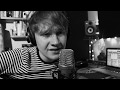
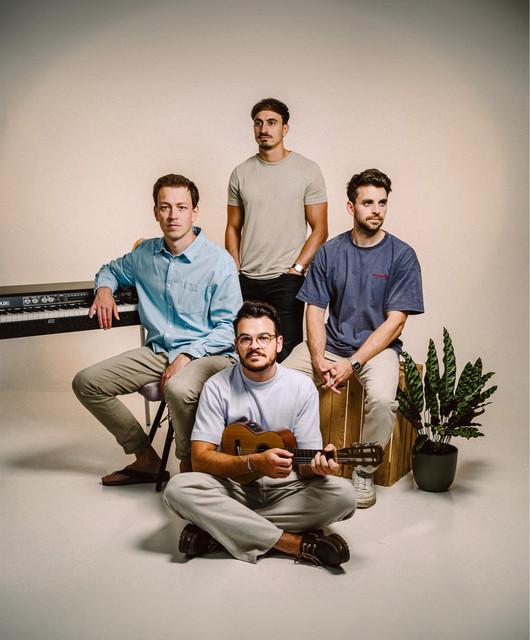
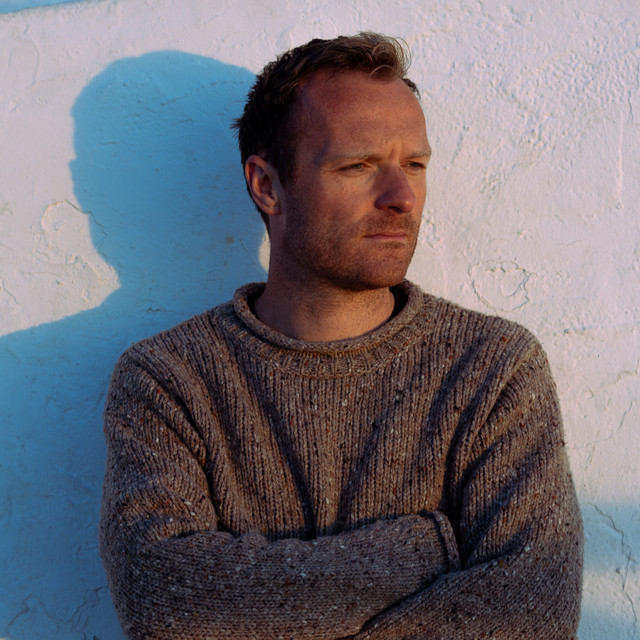
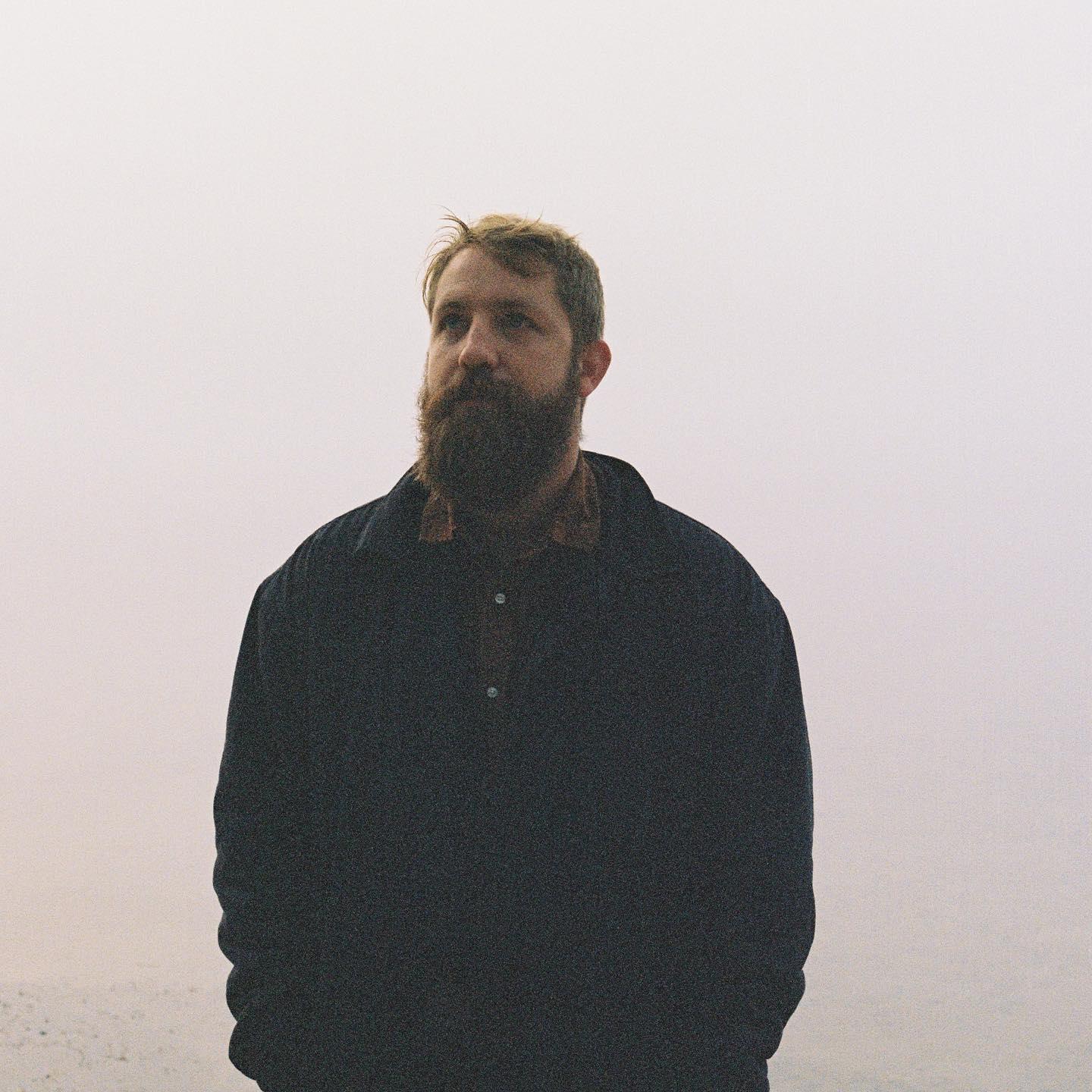
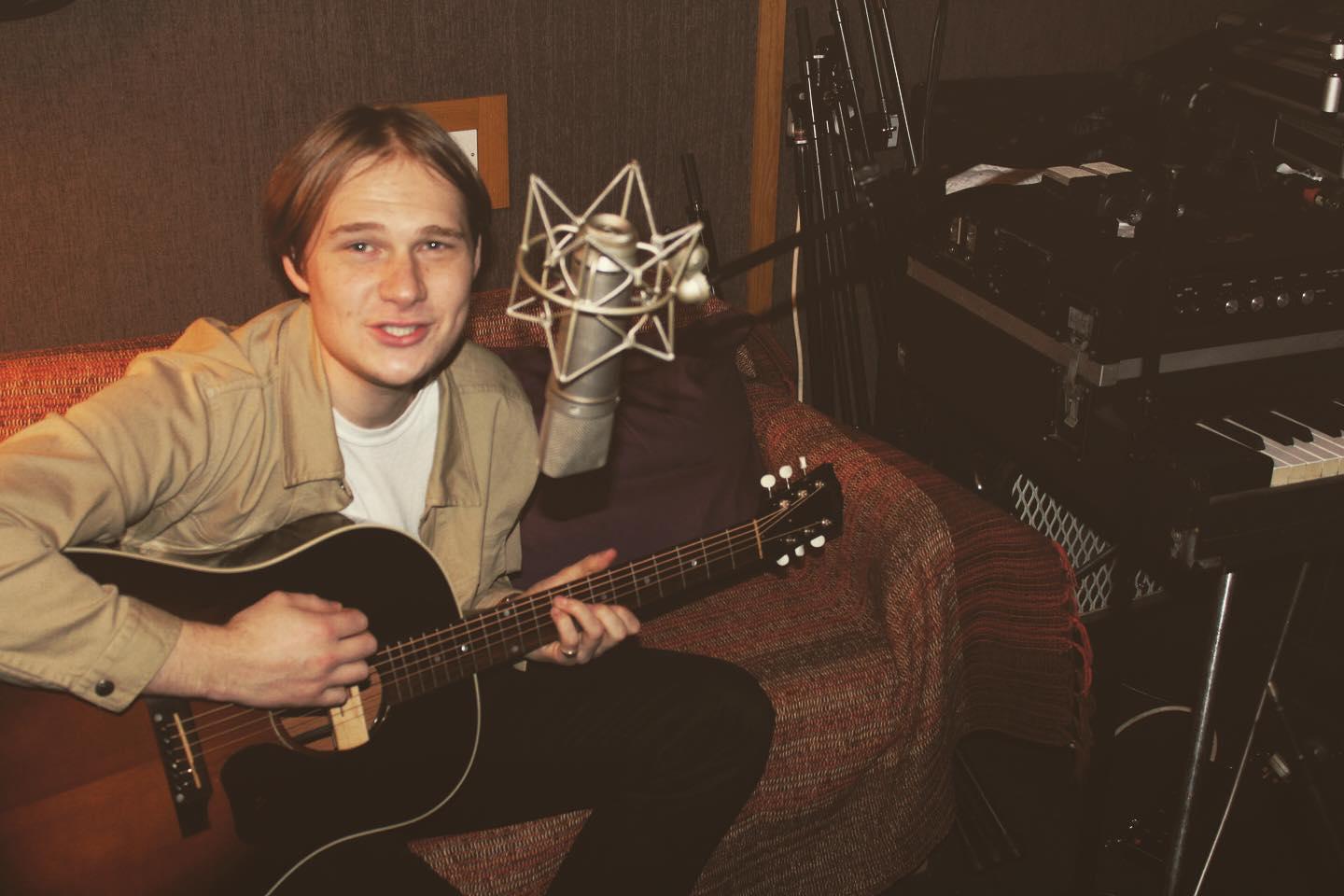
The Lost Hours’ Spotify Bio“Some nights I shiver and shake” proclaims The Lost Hours aka Callum James Hamilton.
Discover a sonic journey that blurs the boundaries of genres and takes you on a captivating adventure through the musical landscapes of The Lost Hours.
Based in the city of Leeds, The Lost Hours is the brainchild of the visionary Callum James Hamilton whose passion for creating music knows no bounds. With a penchant for experimentation and a tireless desire to explore new sonic territories, this enigmatic artist has forged a remarkable signature style that defies convention.
Drawing inspiration from a diverse range of influences, The Lost Hours weaves intricate tapestries of sound, blending delicate acoustic elements with ethereal electronic textures. The result is an enchanting fusion that invites listeners to immerse themselves in a world where introspection and imagination intertwine.
In the comfort of their bedroom studio, The Lost Hours pours heart and soul into the songwriting and production process,… crafting meticulously layered compositions that reveal new nuances with each listen.
The Lost Hours' music speaks to the dreamers, the seekers, and the wanderers, offering a sanctuary in which to lose oneself.
Viberate is a music analytics platform built for A&Rs, artist managers, labels, booking agents, marketers, and artists.
It helps music professionals track artist growth, analyze audience data, monitor playlist activity, compare artists, follow song performance, and identify opportunities across the music market.
Public artist pages provide a free preview of selected artist data. Paid plans provide access to deeper analytics, historical data, charts, comparisons, playlist tools, exports, alerts, reports, and additional professional features.
Yes. Public Viberate artist pages provide selected artist analytics and music data for free.
Viberate also offers a 7-day free trial of the full platform. A credit card is required to start the trial. The trial includes access to the complete product so users can test deeper artist analytics, historical views, playlist insights, comparisons, charts, exports, alerts, and reporting features before choosing a paid plan.
Viberate provides artist analytics across streaming, playlists, social media, video, radio airplay, songs, and audience markets.
Users can analyze Spotify performance, Spotify and Apple Music playlists, YouTube activity, TikTok and Instagram growth, radio spins, song performance, audience locations, demographics, rankings, and overall artist momentum.
Artist profiles also connect to music charts, similar artists, and comparison tools, helping users benchmark performance and evaluate artists in context.
Viberate updates key artist and track data daily.
For followed artists and tracks, selected data is refreshed multiple times per day. This helps teams monitor playlist changes, streaming movement, audience growth, releases, and campaign performance with more current data.
Update frequency can vary depending on the metric and data source.
Yes. Viberate lets users compare up to five artists side by side across streaming, social media, audience, and engagement metrics.
Users can compare fanbase growth, audience demographics, locations, Spotify performance, social metrics, and other artist data over selected time periods.
Artist comparison can be used for A&R scouting, benchmarking, booking decisions, campaign planning, and evaluating artists with similar audiences or market positions.