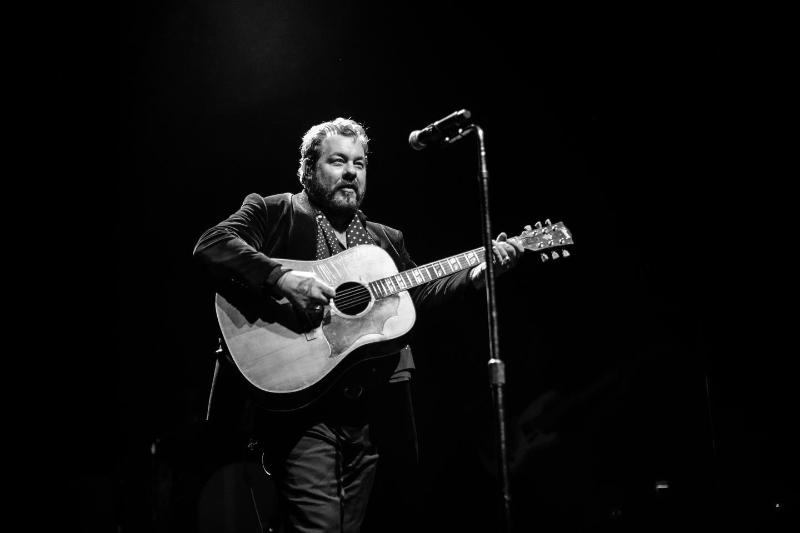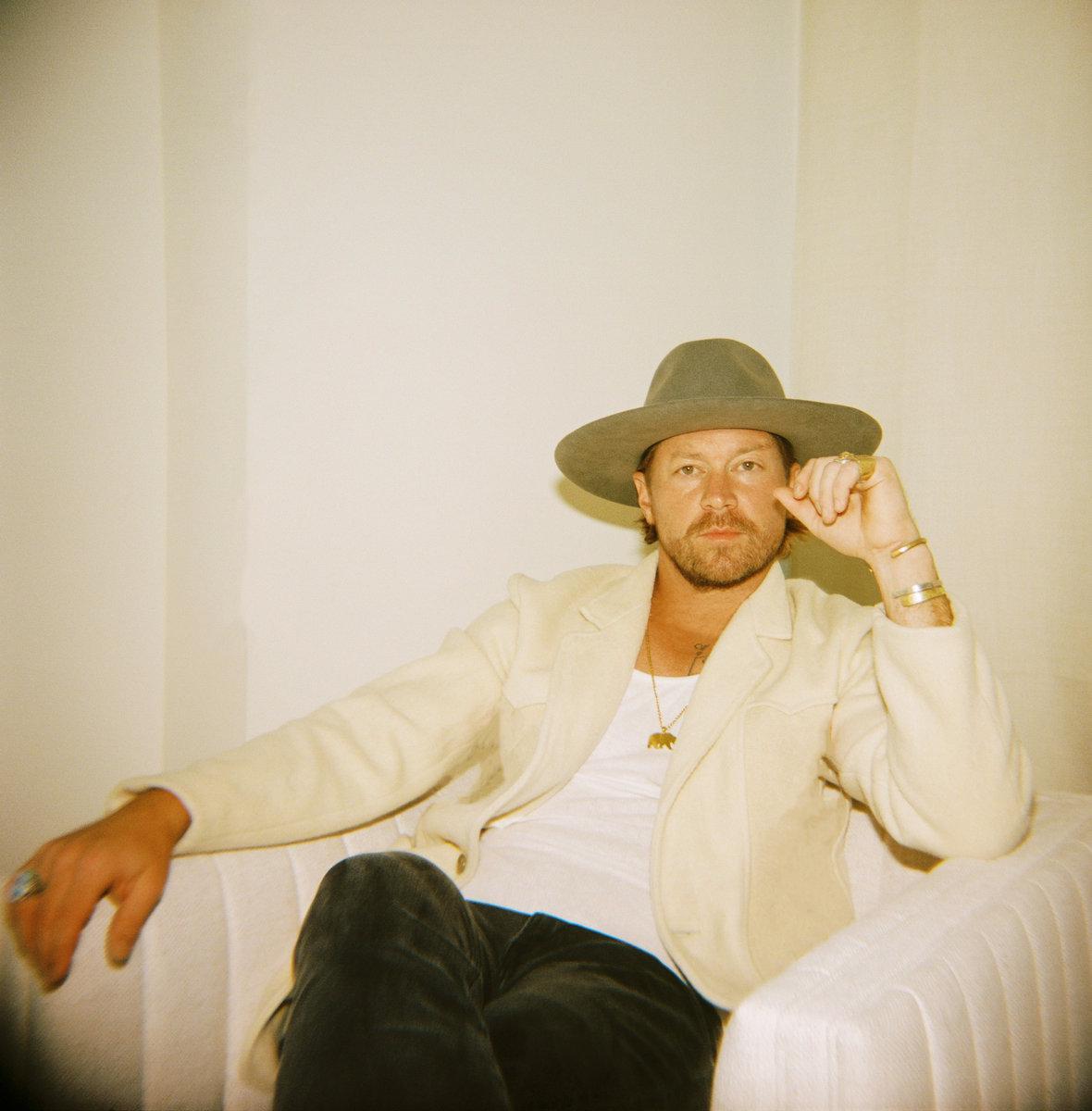
The Lone Bellow

Country
Americana/Alt Country
Folk Rock
 Viberate Rank: 51164
 Viberate Rank: 51164
 Monthly ListenersFollowers
 Subscribers
 Followers
 Followers
 FansTop Spotify Songs
| Track | 7-Day Streams | |
|---|---|---|
1 | 38.98K | |
2 | 18.09K | |
3 | 7.98K | |
4 | 7.93K | |
5 | 6.49K |
Top YouTube VideosMonthly ListenersFeatured in Playlists| Playlist | Followers | |
|---|---|---|
1 |  Run Wild Spotify | 2.06M |
2 |  The Pulse of Americana Spotify | 621.17K |
3 |  Easy Acoustic Spotify | 387.74K |
4 | Covers (that are better than the originals) JTG | 209.29K |
5 |  Contemporary Folk Spotify | 170.35K |
Audience| City | Monthly Listeners | |
|---|---|---|
1 | | 3.72K |
2 | | 3.30K |
3 | | 3.24K |
4 | | 2.50K |
5 | | 2.29K |
See full performance history, audience data, playlist activity, rankings, comparisons, and more in Viberate music analytics. Start with a free trial, then continue with a paid plan.
The Lone Bellow’s Spotify BioThroughout their lifespan as a band, The Lone Bellow have cast an indelible spell with their finespun songs of hard truth and unexpected beauty, frequently delivered in hypnotic three-part harmony. In a departure from their past work with elite producers like Aaron Dessner of The National and eight-time Grammy-winner Dave Cobb, the trio struck out on their own for the first time, dreaming up a singular sound encompassing everything from arena-ready rock anthems to gorgeously sprawling Americana tunes. Recorded at the possibly haunted former home of the legendary Roy Orbison, the resulting 'Love Songs For Losers' is an intimate meditation on the pain and joy and ineffable wonder of being human, at turns heartbreaking, irreverent, and sublimely transcendent.
Founded by Zach Williams, Kanene Donehey Pipkin, and Brian Elmquist, The Lone Bellow made their auspicious debut in 2013 with the self-titled album that quickly landed at No. 64 on the Billboard 200. It later turned up on… best-of-the-year lists from the likes of Paste and PopMatters. With over 100 million career streams to date, The Lone Bellow’s past output also includes the Aaron Dessner-produced Then Came the Morning and Walk Into a Storm (a 2017 release produced by Dave Cobb and hailed by NPR for its “warmly rousing, gospel-inflected Americana”). Their 2020 chart-topping album Half Moon Light marked their second outing with Dessner and spawned the Triple A radio hits “Count On Me” and “Dried Up River”.
Viberate is a music analytics platform built for A&Rs, artist managers, labels, booking agents, marketers, and artists.
It helps music professionals track artist growth, analyze audience data, monitor playlist activity, compare artists, follow song performance, and identify opportunities across the music market.
Public artist pages provide a free preview of selected artist data. Paid plans provide access to deeper analytics, historical data, charts, comparisons, playlist tools, exports, alerts, reports, and additional professional features.
Yes. Public Viberate artist pages provide selected artist analytics and music data for free.
Viberate also offers a 7-day free trial of the full platform. A credit card is required to start the trial. The trial includes access to the complete product so users can test deeper artist analytics, historical views, playlist insights, comparisons, charts, exports, alerts, and reporting features before choosing a paid plan.
Viberate provides artist analytics across streaming, playlists, social media, video, radio airplay, songs, and audience markets.
Users can analyze Spotify performance, Spotify and Apple Music playlists, YouTube activity, TikTok and Instagram growth, radio spins, song performance, audience locations, demographics, rankings, and overall artist momentum.
Artist profiles also connect to music charts, similar artists, and comparison tools, helping users benchmark performance and evaluate artists in context.
Viberate updates key artist and track data daily.
For followed artists and tracks, selected data is refreshed multiple times per day. This helps teams monitor playlist changes, streaming movement, audience growth, releases, and campaign performance with more current data.
Update frequency can vary depending on the metric and data source.
Yes. Viberate lets users compare up to five artists side by side across streaming, social media, audience, and engagement metrics.
Users can compare fanbase growth, audience demographics, locations, Spotify performance, social metrics, and other artist data over selected time periods.
Artist comparison can be used for A&R scouting, benchmarking, booking decisions, campaign planning, and evaluating artists with similar audiences or market positions.