The Lilac Time

Rock
Alternative Rock
Indie Rock
 Viberate Rank: 207895
 Viberate Rank: 207895
 Monthly ListenersFollowers
 Subscribers
 Followers
 Followers
 FansTop Spotify Songs
| Track | 7-Day Streams | |
|---|---|---|
1 | 606 | |
2 | 365 | |
3 | 365 | |
4 | 211 | |
5 | 200 |
Top YouTube VideosMonthly ListenersFeatured in Playlists| Playlist | Followers | |
|---|---|---|
1 |  Foo Fighters: 1990s Alternative Retrogamer PlayStation®️ | 17.95K |
2 |  No Kings: Inspiring Songs for the Midterm Elections throwitoutpod | 13.37K |
3 |  1980s Alternative Retrogamer PlayStation®️ | 11.69K |
4 |  FLAG RADIO Cornelius 2024-2026 α-STATION FM KYOTO | 9.15K |
5 | 120 Minutes full Archive frankspin | 7.87K |
Audience| City | Monthly Listeners | |
|---|---|---|
1 | | 224 |
2 | | 86 |
3 | | 58 |
4 |  | 58 |
5 | | 50 |
See full performance history, audience data, playlist activity, rankings, comparisons, and more in Viberate music analytics. Start with a free trial, then continue with a paid plan.
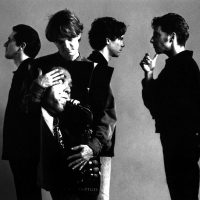
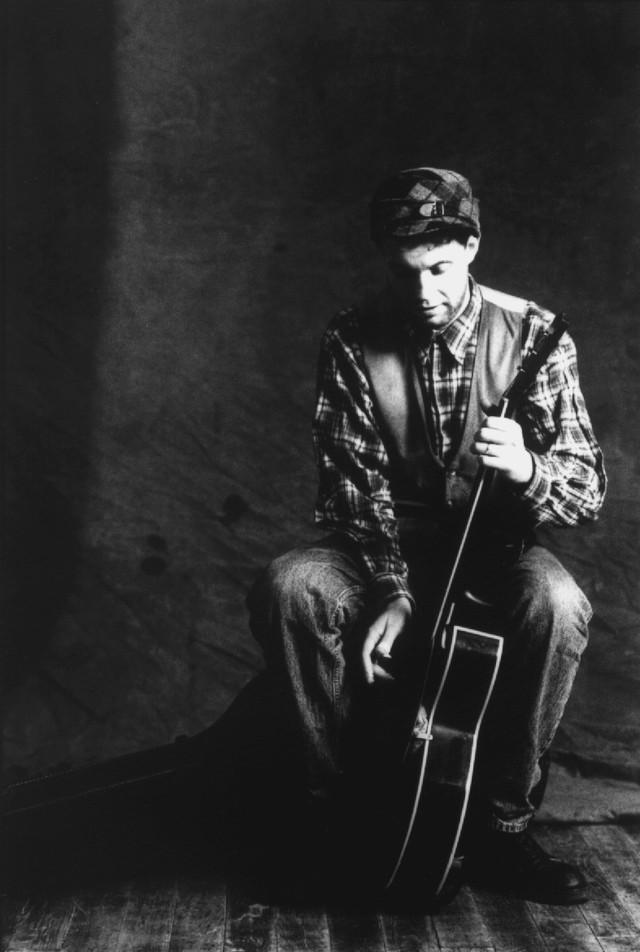
The Lilac Time’s Spotify BioAfter a trio of albums for Virgin (The Ups & Downs, Because We Love You, Dr Calculus Designer Beatnik) Stephen Duffy started The Lilac Time, with his brother Nick, in 1986. Their eponymous debut was released independently in 1987 and on Fontana in 1988. Paradise Circus in 1989, And Love For All 1990 followed. After moving to Creation records in 1991 they spilt up before the release of the retrospectively acclaimed Astronauts. Stephen & Nick reformed in 1999 with Claire Duffy (then Worrall) piano and vocals and Melvin Duffy on pedal steel guitar. They recorded and released Looking For A Day In The Night (1999), lilac6 (2001) and Keep Going (2003). Runout Groove (2007). No Sad Songs (2015). After Melvins departure Ben Peeler joined for Return To Us (2019) and Dance Till All The Stars Come Down (2023).
Viberate is a music analytics platform built for A&Rs, artist managers, labels, booking agents, marketers, and artists.
It helps music professionals track artist growth, analyze audience data, monitor playlist activity, compare artists, follow song performance, and identify opportunities across the music market.
Public artist pages provide a free preview of selected artist data. Paid plans provide access to deeper analytics, historical data, charts, comparisons, playlist tools, exports, alerts, reports, and additional professional features.
Yes. Public Viberate artist pages provide selected artist analytics and music data for free.
Viberate also offers a 7-day free trial of the full platform. A credit card is required to start the trial. The trial includes access to the complete product so users can test deeper artist analytics, historical views, playlist insights, comparisons, charts, exports, alerts, and reporting features before choosing a paid plan.
Viberate provides artist analytics across streaming, playlists, social media, video, radio airplay, songs, and audience markets.
Users can analyze Spotify performance, Spotify and Apple Music playlists, YouTube activity, TikTok and Instagram growth, radio spins, song performance, audience locations, demographics, rankings, and overall artist momentum.
Artist profiles also connect to music charts, similar artists, and comparison tools, helping users benchmark performance and evaluate artists in context.
Viberate updates key artist and track data daily.
For followed artists and tracks, selected data is refreshed multiple times per day. This helps teams monitor playlist changes, streaming movement, audience growth, releases, and campaign performance with more current data.
Update frequency can vary depending on the metric and data source.
Yes. Viberate lets users compare up to five artists side by side across streaming, social media, audience, and engagement metrics.
Users can compare fanbase growth, audience demographics, locations, Spotify performance, social metrics, and other artist data over selected time periods.
Artist comparison can be used for A&R scouting, benchmarking, booking decisions, campaign planning, and evaluating artists with similar audiences or market positions.