The Lightning Year

Rock
Indie Rock
Dream Pop
 Viberate Rank: 595201
 Viberate Rank: 595201
 Monthly ListenersFollowers
 Subscribers
 Followers
 Followers
 FansTop Spotify Songs
| Track | 7-Day Streams | |
|---|---|---|
1 | 209 | |
2 | 24 | |
3 | 12 | |
4 | 11 | |
5 | 8 |
Top YouTube VideosMonthly ListenersFeatured in Playlists| Playlist | Followers | |
|---|---|---|
1 |  alexrainbirdMusic 2017 alexrainbirdMusic | 8.77K |
2 |  Alex Rainbird's Indie Music Rebeca Dragos | 4.27K |
3 | Am I in American Eagle? lbischof27 | 4.22K |
4 | surf rock. 127650430 | 2.87K |
5 | All Of It onelittleworld | 2.39K |
Audience| City | Monthly Listeners | |
|---|---|---|
1 | | 30 |
2 |  | 20 |
3 | | 12 |
4 |  | 12 |
5 |  | 12 |
See full performance history, audience data, playlist activity, rankings, comparisons, and more in Viberate music analytics. Start with a free trial, then continue with a paid plan.
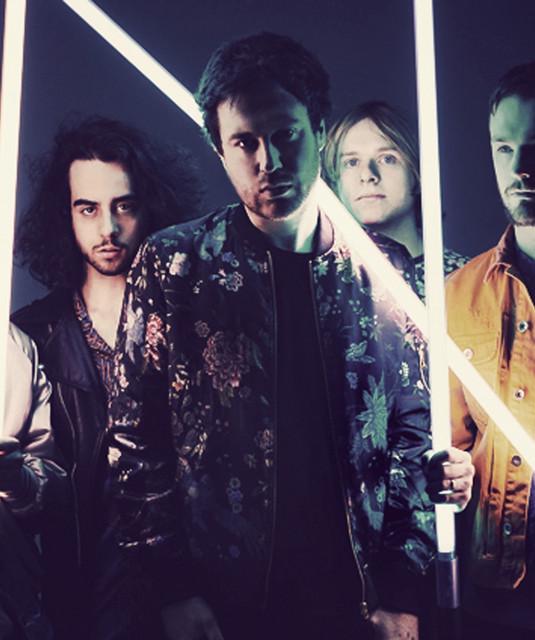
The Lightning Year’s Spotify BioThe Lightning Year was created by South London based musician Matt J Bishop in 2016. Having endured the past decade fronting various bands and projects - including Switches , Flash Fiktion and Scorpio Loon - Bishop, who was now 33, decided to have one final crack at the mainstream.
Spending the first quarter of 2016 recording new songs, he secured management who encouraged him to start a new group from scratch. After a summer spent meeting and auditioning potential bandmates, Sam Martin (bass and vocals), Orlando Sadler (lead guitar and vocals), Nics (Keys) and Joe Snelgrove (Drums) were invited to join Bishop in forming a live version of The Lightning Year.
The guys spent 2017 gigging around the UK and released several singles, including ‘Endless Memory’ which made Spotify’s new music weekly playlist. However, a record deal proved elusive and management soon abandoned them. Bishop continued to record and eventually self-released the album ‘Songs From The Crystal Palace’ in 2019, over a… year after the live band had dissolved.
Contact: mattloonmusic@gmail.com
CD's and Vinyl's here: https://elasticstage.com/thelightningyear
Viberate is a music analytics platform built for A&Rs, artist managers, labels, booking agents, marketers, and artists.
It helps music professionals track artist growth, analyze audience data, monitor playlist activity, compare artists, follow song performance, and identify opportunities across the music market.
Public artist pages provide a free preview of selected artist data. Paid plans provide access to deeper analytics, historical data, charts, comparisons, playlist tools, exports, alerts, reports, and additional professional features.
Yes. Public Viberate artist pages provide selected artist analytics and music data for free.
Viberate also offers a 7-day free trial of the full platform. A credit card is required to start the trial. The trial includes access to the complete product so users can test deeper artist analytics, historical views, playlist insights, comparisons, charts, exports, alerts, and reporting features before choosing a paid plan.
Viberate provides artist analytics across streaming, playlists, social media, video, radio airplay, songs, and audience markets.
Users can analyze Spotify performance, Spotify and Apple Music playlists, YouTube activity, TikTok and Instagram growth, radio spins, song performance, audience locations, demographics, rankings, and overall artist momentum.
Artist profiles also connect to music charts, similar artists, and comparison tools, helping users benchmark performance and evaluate artists in context.
Viberate updates key artist and track data daily.
For followed artists and tracks, selected data is refreshed multiple times per day. This helps teams monitor playlist changes, streaming movement, audience growth, releases, and campaign performance with more current data.
Update frequency can vary depending on the metric and data source.
Yes. Viberate lets users compare up to five artists side by side across streaming, social media, audience, and engagement metrics.
Users can compare fanbase growth, audience demographics, locations, Spotify performance, social metrics, and other artist data over selected time periods.
Artist comparison can be used for A&R scouting, benchmarking, booking decisions, campaign planning, and evaluating artists with similar audiences or market positions.