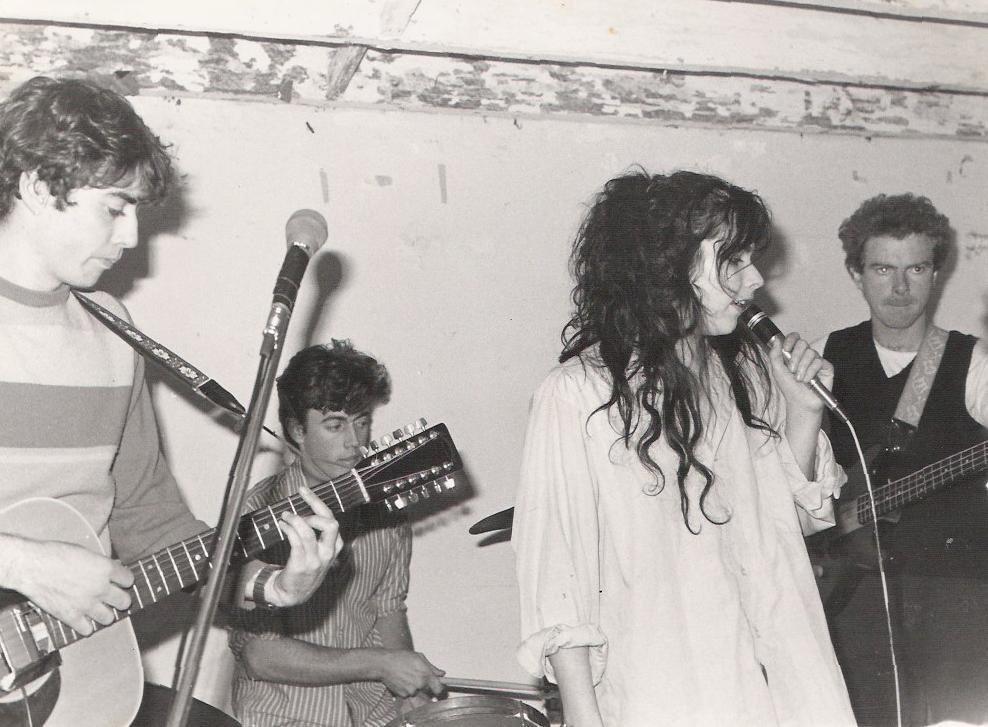
The Lighthouse Keepers

Rock
Indie Rock
Alternative Rock
 Viberate Rank: 501675
 Viberate Rank: 501675
 Monthly ListenersFollowers
 Subscribers
 Followers
 Followers
 FansTop Spotify Songs
| Track | 7-Day Streams | |
|---|---|---|
1 | 77 | |
2 | 38 | |
3 | 32 | |
4 | 26 | |
5 | 22 |
Top YouTube VideosMonthly ListenersFeatured in Playlists| Playlist | Followers | |
|---|---|---|
1 |  the jangle pop masterlist Arielle | 5.97K |
2 |  Darkwaves (Post-Punk / Goth et al.) Bengt Persson | 1.79K |
3 |  Carla Dal Forno - NTS NTS ᵇᵒᵗ (killed 2026/03) | 1.06K |
Audience| City | Monthly Listeners | |
|---|---|---|
1 | | 108 |
2 | | 62 |
3 | | 48 |
4 | | 17 |
5 | | 14 |
See full performance history, audience data, playlist activity, rankings, comparisons, and more in Viberate music analytics. Start with a free trial, then continue with a paid plan.
The Lighthouse Keepers’ Spotify BioThe Lighthouse Keepers were an Australian country and indie pop band formed in 1981 in Sydney. In November 1984 the group issued their debut studio album, Tales of the Unexpected, and a single, "Ocean Liner". In 1985 the band toured the United Kingdom supporting fellow Australian label mates, The Triffids. The Lighthouse Keepers combined a "loosely rehearsed, casual ethos" with humour, punk attitudes and pure pop song craft. The ensemble disbanded in 1986, releasing a compilation album, Imploding, in November that year. According to rock music historian, Ian McFarlane, their "tasteful, jangly brand of country-tinged folk rock was at odds with prevailing trends on Sydney's early 1980s, Detroit-besotted independent scene. The band nevertheless issued a number of albums and singles, and always lived up to audience expectations".
In 2020 the band recorded and released 'Hoogle Waltz' a song from their original set.
Greg Appel has written a book that focusing on the bands short career… available now at https://www.spontaneousfilms.com.au/books.html
Viberate is a music analytics platform built for A&Rs, artist managers, labels, booking agents, marketers, and artists.
It helps music professionals track artist growth, analyze audience data, monitor playlist activity, compare artists, follow song performance, and identify opportunities across the music market.
Public artist pages provide a free preview of selected artist data. Paid plans provide access to deeper analytics, historical data, charts, comparisons, playlist tools, exports, alerts, reports, and additional professional features.
Yes. Public Viberate artist pages provide selected artist analytics and music data for free.
Viberate also offers a 7-day free trial of the full platform. A credit card is required to start the trial. The trial includes access to the complete product so users can test deeper artist analytics, historical views, playlist insights, comparisons, charts, exports, alerts, and reporting features before choosing a paid plan.
Viberate provides artist analytics across streaming, playlists, social media, video, radio airplay, songs, and audience markets.
Users can analyze Spotify performance, Spotify and Apple Music playlists, YouTube activity, TikTok and Instagram growth, radio spins, song performance, audience locations, demographics, rankings, and overall artist momentum.
Artist profiles also connect to music charts, similar artists, and comparison tools, helping users benchmark performance and evaluate artists in context.
Viberate updates key artist and track data daily.
For followed artists and tracks, selected data is refreshed multiple times per day. This helps teams monitor playlist changes, streaming movement, audience growth, releases, and campaign performance with more current data.
Update frequency can vary depending on the metric and data source.
Yes. Viberate lets users compare up to five artists side by side across streaming, social media, audience, and engagement metrics.
Users can compare fanbase growth, audience demographics, locations, Spotify performance, social metrics, and other artist data over selected time periods.
Artist comparison can be used for A&R scouting, benchmarking, booking decisions, campaign planning, and evaluating artists with similar audiences or market positions.