The Last Cell


Metal
Progressive Metal
 Viberate Rank: 542588
 Viberate Rank: 542588
 Monthly ListenersFollowers
 Subscribers
 Followers
 Followers
 FansTop Spotify Songs
| Track | 7-Day Streams | |
|---|---|---|
1 | 128 | |
2 | 57 | |
3 | 42 | |
4 | 34 | |
5 | 24 |
Top YouTube VideosMonthly ListenersFeatured in Playlists| Playlist | Followers | |
|---|---|---|
1 | Heavy Instrumental Metal blueflame5 | 19.64K |
2 |  Metal Instrumentals Samidhya Sarker Torsho | 18.16K |
3 | Instrumental Metal! \m/ Chris Fay | 9.89K |
4 |  Instrumental Rock & Metal Roee Bentin | 8.62K |
5 | Instrumental Metal Vince | 4.56K |
Audience| City | Monthly Listeners | |
|---|---|---|
1 |  | 10 |
2 |  | 10 |
3 | | 10 |
4 | | 9 |
5 | | 9 |
See full performance history, audience data, playlist activity, rankings, comparisons, and more in Viberate music analytics. Start with a free trial, then continue with a paid plan.
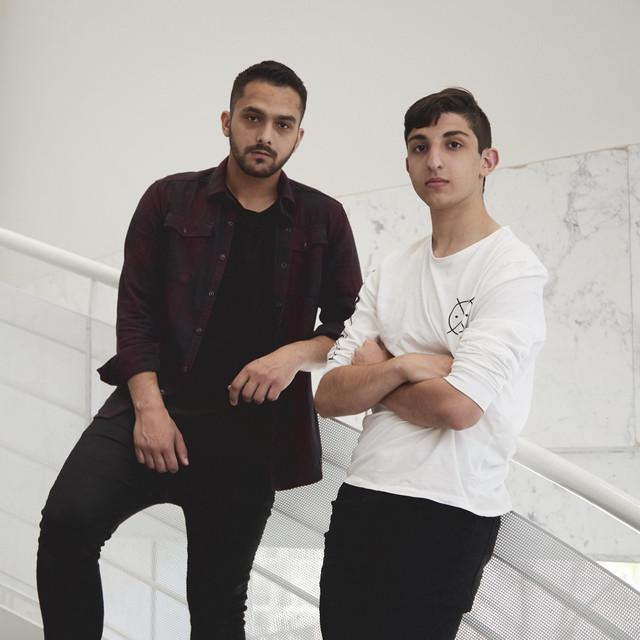
The Last Cell’s Spotify BioJean-Marc Perc, based in Vienna, Austria, has been releasing instrumental progressive music under the alias 'The Last Cell' since 2017.
Inspired by progressive bands such as I Built the Sky , Plini and Periphery, he released his debut EP 'NAUTILUS' in March 2018, marking the birth of his project, The Last Cell.
After establishing his unique voice in the prog scene, Lukas Florian (Bass) and Robin Weber (Drums) joined as stage members. The band debuted in Vienna, sharing the stage with Their Dogs Were Astronauts in 2018, and set their sights on conquering stages across Europe and beyond.
In 2019, The Last Cell released their second EP, 'Continental Drift,' followed by a tour through Austria. The singles 'Airieleon,' featuring guitarist and musician Poh Hock, and 'Leap' were released 2020.
The latter half of 2020 marked a significant milestone with the release of the third EP, 'Veter,' on October 30th. In 2021, Jean-Marc collaborated with Krimh to release the single 'Ikigai,' continuing the… band's narrative about life, uncertainty, and the end of it all.
In 2024, guitarist Matevz Pocic joined the lineup, expanding The Last Cell to a quartet. That same year, the band had the honor of supporting Ichika Nito at the Viper Room Vienna.
As the universe marches toward extinction, one entity remains – The Last Cell
Viberate is a music analytics platform built for A&Rs, artist managers, labels, booking agents, marketers, and artists.
It helps music professionals track artist growth, analyze audience data, monitor playlist activity, compare artists, follow song performance, and identify opportunities across the music market.
Public artist pages provide a free preview of selected artist data. Paid plans provide access to deeper analytics, historical data, charts, comparisons, playlist tools, exports, alerts, reports, and additional professional features.
Yes. Public Viberate artist pages provide selected artist analytics and music data for free.
Viberate also offers a 7-day free trial of the full platform. A credit card is required to start the trial. The trial includes access to the complete product so users can test deeper artist analytics, historical views, playlist insights, comparisons, charts, exports, alerts, and reporting features before choosing a paid plan.
Viberate provides artist analytics across streaming, playlists, social media, video, radio airplay, songs, and audience markets.
Users can analyze Spotify performance, Spotify and Apple Music playlists, YouTube activity, TikTok and Instagram growth, radio spins, song performance, audience locations, demographics, rankings, and overall artist momentum.
Artist profiles also connect to music charts, similar artists, and comparison tools, helping users benchmark performance and evaluate artists in context.
Viberate updates key artist and track data daily.
For followed artists and tracks, selected data is refreshed multiple times per day. This helps teams monitor playlist changes, streaming movement, audience growth, releases, and campaign performance with more current data.
Update frequency can vary depending on the metric and data source.
Yes. Viberate lets users compare up to five artists side by side across streaming, social media, audience, and engagement metrics.
Users can compare fanbase growth, audience demographics, locations, Spotify performance, social metrics, and other artist data over selected time periods.
Artist comparison can be used for A&R scouting, benchmarking, booking decisions, campaign planning, and evaluating artists with similar audiences or market positions.