The Last Bear Ender

Metal
Alternative Metal
Progressive Metal
 Viberate Rank: 184321
 Viberate Rank: 184321
 Monthly ListenersFollowers
 Subscribers
 Followers
 Followers
 FansTop Spotify Songs
| Track | 7-Day Streams | |
|---|---|---|
1 | 47.93K | |
2 | 4.72K | |
3 | 3.15K | |
4 | 2.84K | |
5 | 2.75K |
Top YouTube Videos| Video | 7-Day Views | |
|---|---|---|
1 | 174 | |
2 | 132 | |
3 | 62 | |
4 | 50 | |
5 | 33 |
Monthly ListenersFeatured in Playlists| Playlist | Followers | |
|---|---|---|
1 |  Progressive Metal Spotify | 572.64K |
2 |  BADASS SONGS 🔥🔥🔥 Shadow Monarch | 41.70K |
3 |  "Why do I hear boss music?" OnceJustAHero | 40.52K |
4 |  LOCK IN kagami | 23.89K |
5 |  DOOM Slayer Workout th3shur1f | 19.36K |
Audience| City | Monthly Listeners | |
|---|---|---|
1 |  | 1.12K |
2 |  | 1.08K |
3 |  | 1.07K |
4 |  | 1.03K |
5 |  | 1.00K |
See full performance history, audience data, playlist activity, rankings, comparisons, and more in Viberate music analytics. Start with a free trial, then continue with a paid plan.
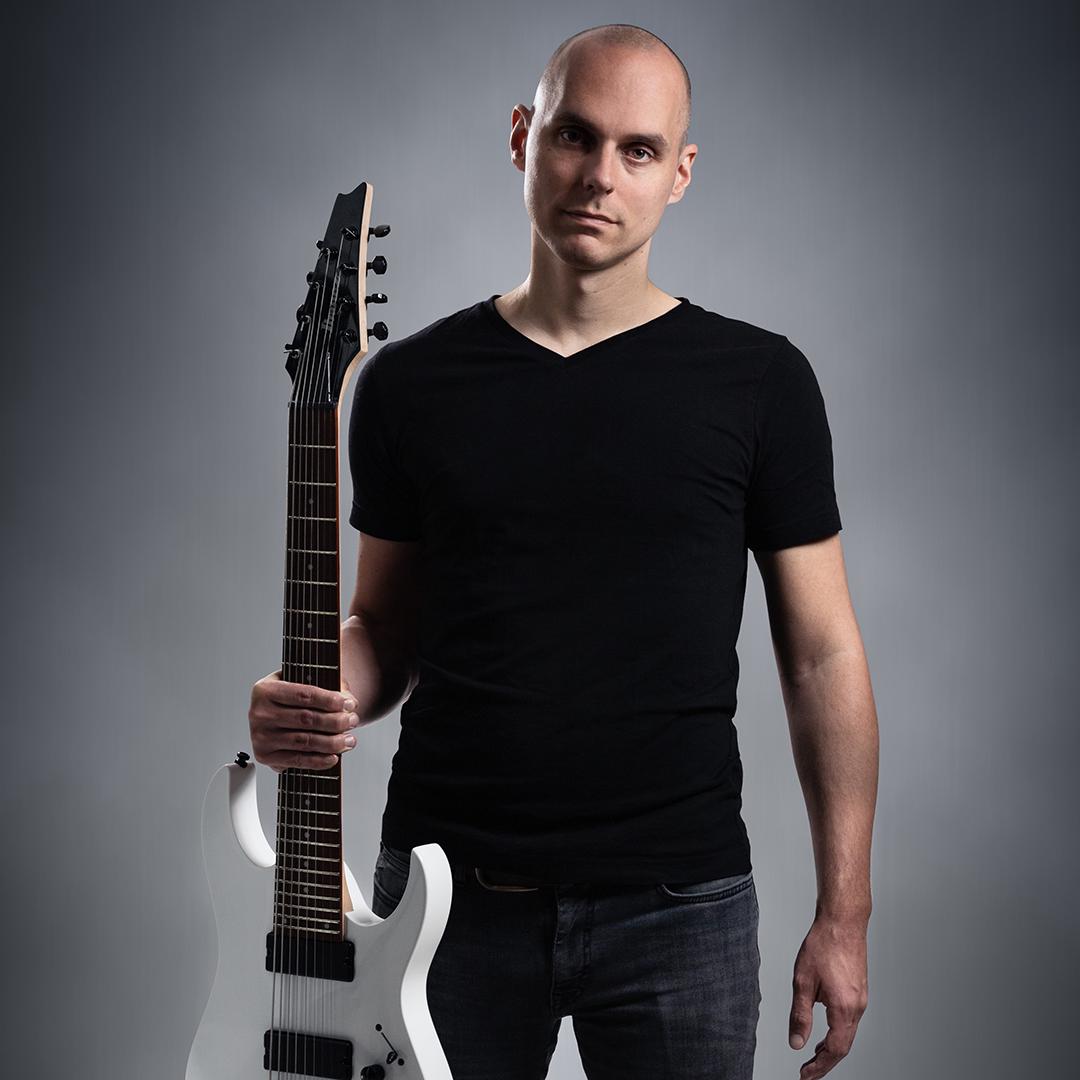
The Last Bear Ender’s Spotify BioAlso known by his artist name The Riffcrusher, Wilrik is a metal guitarist and composer with a love for electronic music, based in The Netherlands. His guitar playing is incredibly nuanced and dynamic. Wilrik combines tasteful melodic passages with soaring riffs and lightning-fast progressions, but his sound is not about showcasing technical skills. He is all about crafting songs that people can genuinely relate to, setting the bar higher in terms of production. Whether performing as a solo act or as a member of a band, Wilrik knows how to use his guitar as a way to let his personality and vision come across.
One of his most recent recording projects, The Last Bear Ender, stands out as a great example of his creative vision and his huge commitment to creating music that stays true to his vision. In this new metal project, Wilrik is focused on creating instrumental music with an industrial edge. He started this new solo venture to take control of his music and unlock his most creative… and wild ideas.
The fact that Wilrik has been playing in so many different bands also means that he is very versatile, and he feels at home in a wide variety of metal styles. He is not just a guitar player, but also a full-on composer, who keenly work on multiple aspects of songwriting, from creating riffs to composing songs, sampling, synths and even pre-recording tracks.
Viberate is a music analytics platform built for A&Rs, artist managers, labels, booking agents, marketers, and artists.
It helps music professionals track artist growth, analyze audience data, monitor playlist activity, compare artists, follow song performance, and identify opportunities across the music market.
Public artist pages provide a free preview of selected artist data. Paid plans provide access to deeper analytics, historical data, charts, comparisons, playlist tools, exports, alerts, reports, and additional professional features.
Yes. Public Viberate artist pages provide selected artist analytics and music data for free.
Viberate also offers a 7-day free trial of the full platform. A credit card is required to start the trial. The trial includes access to the complete product so users can test deeper artist analytics, historical views, playlist insights, comparisons, charts, exports, alerts, and reporting features before choosing a paid plan.
Viberate provides artist analytics across streaming, playlists, social media, video, radio airplay, songs, and audience markets.
Users can analyze Spotify performance, Spotify and Apple Music playlists, YouTube activity, TikTok and Instagram growth, radio spins, song performance, audience locations, demographics, rankings, and overall artist momentum.
Artist profiles also connect to music charts, similar artists, and comparison tools, helping users benchmark performance and evaluate artists in context.
Viberate updates key artist and track data daily.
For followed artists and tracks, selected data is refreshed multiple times per day. This helps teams monitor playlist changes, streaming movement, audience growth, releases, and campaign performance with more current data.
Update frequency can vary depending on the metric and data source.
Yes. Viberate lets users compare up to five artists side by side across streaming, social media, audience, and engagement metrics.
Users can compare fanbase growth, audience demographics, locations, Spotify performance, social metrics, and other artist data over selected time periods.
Artist comparison can be used for A&R scouting, benchmarking, booking decisions, campaign planning, and evaluating artists with similar audiences or market positions.