The Kills

Rock
Indie Rock
Alternative Rock
Garage Rock
 Viberate Rank: 19323
 Viberate Rank: 19323
 Monthly ListenersFollowers
 Subscribers
 Followers
 Followers
 FansTop Spotify Songs
| Track | 7-Day Streams | |
|---|---|---|
1 | 161.89K | |
2 | 36.99K | |
3 | 22.97K | |
4 | 15.44K | |
5 | 14.20K |
Top YouTube VideosMonthly ListenersFeatured in Playlists| Playlist | Followers | |
|---|---|---|
1 |  Indie Rock Club Spotify | 1.36M |
2 |  Women of Rock Spotify | 813.60K |
3 |  PEAKY BLINDERS Soundtracked.us | 402.69K |
4 |  Élite - The Soundtrack Spotify | 318.59K |
5 |  Peaky Blinders Soundtrack - All Songs Jasons 24/7 Supermarket | 308.03K |
Audience| City | Monthly Listeners | |
|---|---|---|
1 |  | 12.69K |
2 |  | 9.33K |
3 |  | 6.22K |
4 |  | 6.08K |
5 | | 5.86K |
See full performance history, audience data, playlist activity, rankings, comparisons, and more in Viberate music analytics. Start with a free trial, then continue with a paid plan.
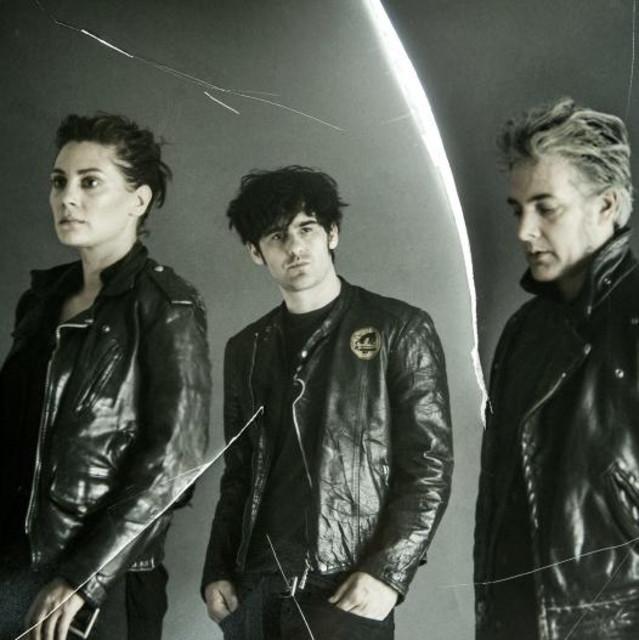
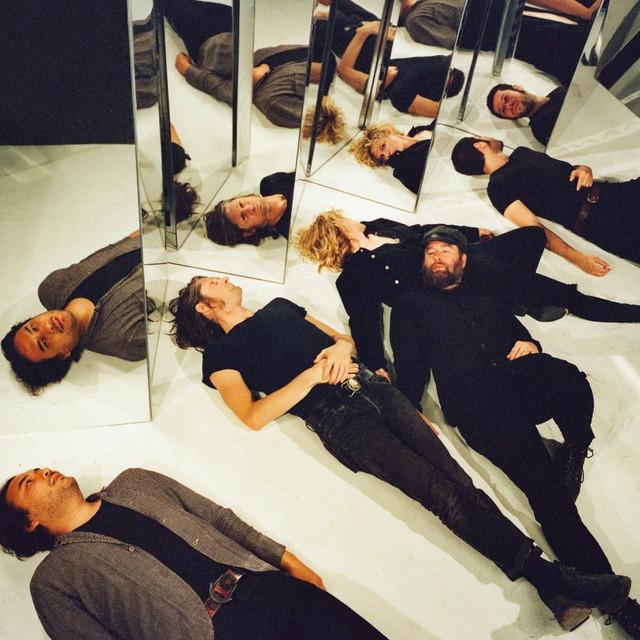
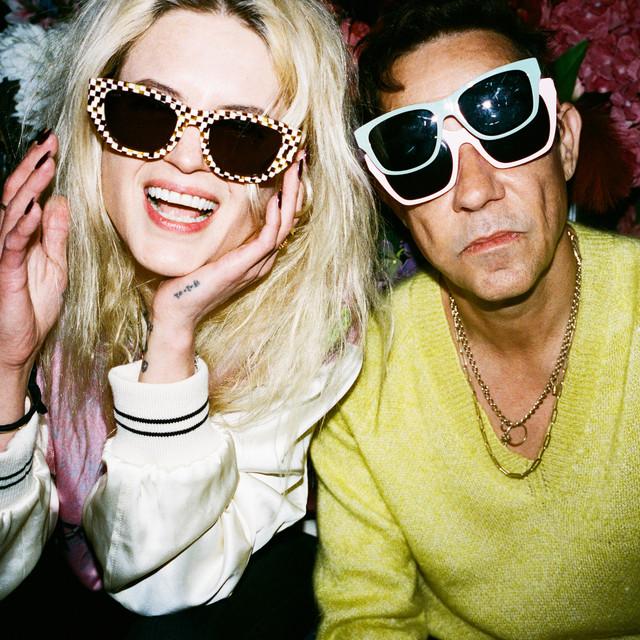
The Kills’ Spotify BioA minimalist duo with maximum impact, the Kills strip rock 'n' roll down to its rawest essence and reinvent it with each release. When they appeared during the early 2000s garage rock revival, Jamie Hince's eloquently jagged guitar playing and Alison Mosshart's ability to snarl and sigh with equal conviction created sparks. This chemistry also made the Kills more enduring and inventive than many of their contemporaries as their music evolved from the scrappy blues-punk of 2003's Keep on Your Mean Side to the forward-thinking mix of garage rock, hip-hop, and electro pop of 2008's Midnight Boom to 2016's shadowy Ash & Ice. By the time of 2023's starkly dramatic God Games, the Kills had mastered an unmistakably stylish and raw sound that nevertheless defied easy classification.
The origins of the Kills date back to 2000, when Mosshart met Hince while she was touring in London with Discount, the Florida-based punk band she formed when she was 13. Hince, a veteran of bands including Scarfo a…nd Blyth Power, was playing guitar in the flat above where she and the band were staying, and she was fascinated by his fragmented style. Discount called it quits later that year, and Mosshart and Hince started working on music together. At first, Mosshart wrote songs on a four-track recorder given to her by Hince, and the pair exchanged tapes in the mail.
Once Mosshart saved enough money to join him in England, their long-distance collaboration became a full-fledged act. Working in person, Hince and Mosshart fleshed out their song sketches, using their Roland 880 sequencer to add sleek rhythms to their gritty, sexy sound. Naming themselves the Kills and initially going by the aliases Hotel (Hince) and VV (Mosshart), they issued a self-released demo in early 2001 that earned favorable reviews from such quarters as TapeOp Magazine. In 2002, they contributed a song, "Restaurant Blouse," to 5 Rue Christine's If the Twenty-First Century Did Not Exist It Would Be Necessary to Invent It before their debut EP, Black Rooster, arrived on Domino Records (Dim Mak distributed it in the U.S.). Along with gigs at the London and Glasgow LadyFests and tour dates with Le Tigre, the Kills toured the U.S. for eight weeks before returning to London to finish their first full-length album, Keep on Your Mean Side. Recorded in two weeks at London's Toe Rag Studios, the album was released in March 2003 and reached number 47 on the U.K. Albums Chart, while the singles "Fried My Little Brains" and "Pull A U" appeared on the U.K. Singles and Independent Singles charts.
In the middle of 2004, the Kills started work on their second album. Though their plans to have the album focus on Hince's Moog had to be changed when the vintage synth broke and couldn't be fixed before their recording sessions, February 2005's No Wow was an even dirtier, leaner collection of songs that reflected an increasing electronic influence on their music, as well as the blues and post-punk of their debut. The single "The Good Ones" reached number 23 on the U.K. Singles chart, while the album itself peaked at 56 on the U.K. Albums Chart and hit 18 on the Billboard Heatseekers Albums chart in the U.S. By this time, Mosshart was an in-demand guest vocalist, and in 2006 she collaborated with Placebo on the title track of their album Meds and with Primal Scream on Riot City Blues.
For their third album, the Kills retooled their sound. Working with Spank Rock producer Alex Epton at Benton Harbor, Michigan's Key Club Recording Company, Mosshart and Hince added more electronic beats and pop hooks into their music. Named for their peak creative time, March 2008's Midnight Boom reached number 47 on the U.K. Albums Chart; all five of its singles appeared on the U.K. Independent Singles Chart. It also charted throughout Europe and was eventually certified silver. Along with topping the Billboard Heatseekers Albums chart, in the U.S. Midnight Boom became the Kills' first album to enter the Billboard 200 Albums chart.
While touring alongside the Raconteurs in support of Midnight Boom, Mosshart struck up a friendship with frontman Jack White, prompting the two to form a supergroup, the Dead Weather, in 2009. While that band worked feverishly on their potent mix of garage, blues, punk, and rock & roll, issuing two albums (2009's Horehound and 2010's Sea of Cowards) in ten months, Mosshart also found time to write and record the Kills' fourth album with Hince. Once again recorded at Key Club, April 2011's Blood Pressures was a more straight-ahead rock 'n' roll album that was among the duo's most commercially successful: A top ten hit in France, it peaked at 40 on the U.K. Albums Chart and reached 37 on the Billboard 200 Albums chart in the U.S., peaking at 133.
In 2012, the Kills celebrated their tenth anniversary with the publication of Dream & Drive, a book of photographs of the band by Kenneth Capello, who also directed several of their videos. They also covered "Dreams" for the Fleetwood Mac tribute album Just Tell Me That You Want Me. During the next few years, Mosshart moved to Nashville to pursue her visual art career as well as continue her work with the Dead Weather, who released Dodge & Burn in 2015. Meanwhile, Hince recovered from an injury to his left hand that required him to learn how to play guitar again after five surgeries. The duo recorded their fifth album at a rented house in Los Angeles, as well as New York City's Electric Lady Studios, with Hince co-producing with John O'Mahony. Ash & Ice, one of the band's most somber sets of songs, arrived in June 2016. it became a top 20 hit in the U.K. and peaked at 45 on the Billboard 200 Albums chart.
Along with embarking on an extensive tour in support of Ash & Ice that included dates with Guns N' Roses, the Kills continued this flurry of activity with the 2017 acoustic EP Echo Home - Non Electric and a pair of 2018 covers, "List of Demands" by Saul Williams and Peter Tosh's "Stepping Razor." In 2020, Mosshart issued several releases as a solo artist, including "Rise," which she recorded with Lawrence Rothman and Hince for the Facebook Watch show Sacred Lies, and Sound Wheel, a set of spoken-word poems and stories about her love of cars and the open road. That December, the Kills delivered Little Bastards, a compilation of B-sides and rarities from the 2000s. In June 2022, the duo reissued No Wow in honor of its 17th anniversary, pairing the original album with a version mixed by Grammy Award-winner Tchad Blake. The Kills returned in October 2023 with God Games. Co-produced with longtime friend Paul Epworth, the album's "godless spirituals" were mostly composed on piano instead of guitar and incorporated brass as well as choral vocals courtesy of the Compton Kidz Club Choir. ~ Heather Phares, Rovi
Viberate is a music analytics platform built for A&Rs, artist managers, labels, booking agents, marketers, and artists.
It helps music professionals track artist growth, analyze audience data, monitor playlist activity, compare artists, follow song performance, and identify opportunities across the music market.
Public artist pages provide a free preview of selected artist data. Paid plans provide access to deeper analytics, historical data, charts, comparisons, playlist tools, exports, alerts, reports, and additional professional features.
Yes. Public Viberate artist pages provide selected artist analytics and music data for free.
Viberate also offers a 7-day free trial of the full platform. A credit card is required to start the trial. The trial includes access to the complete product so users can test deeper artist analytics, historical views, playlist insights, comparisons, charts, exports, alerts, and reporting features before choosing a paid plan.
Viberate provides artist analytics across streaming, playlists, social media, video, radio airplay, songs, and audience markets.
Users can analyze Spotify performance, Spotify and Apple Music playlists, YouTube activity, TikTok and Instagram growth, radio spins, song performance, audience locations, demographics, rankings, and overall artist momentum.
Artist profiles also connect to music charts, similar artists, and comparison tools, helping users benchmark performance and evaluate artists in context.
Viberate updates key artist and track data daily.
For followed artists and tracks, selected data is refreshed multiple times per day. This helps teams monitor playlist changes, streaming movement, audience growth, releases, and campaign performance with more current data.
Update frequency can vary depending on the metric and data source.
Yes. Viberate lets users compare up to five artists side by side across streaming, social media, audience, and engagement metrics.
Users can compare fanbase growth, audience demographics, locations, Spotify performance, social metrics, and other artist data over selected time periods.
Artist comparison can be used for A&R scouting, benchmarking, booking decisions, campaign planning, and evaluating artists with similar audiences or market positions.