The John Candy

Metal
Metalcore/Deathcore
 Viberate Rank: 112900
 Viberate Rank: 112900
 Monthly ListenersFollowers
 Subscribers
 Followers
 Followers
 FansTop Spotify Songs
| Track | 7-Day Streams | |
|---|---|---|
1 | 12.65K | |
2 | 6.07K | |
3 | 4.54K | |
4 | 4.24K | |
5 | 4.20K |
Top YouTube Videos| Video | 7-Day Views | |
|---|---|---|
1 | 1.60K | |
2 | 1.25K | |
3 | 804 | |
4 | 406 | |
5 | 392 |
Monthly ListenersFeatured in Playlists| Playlist | Followers | |
|---|---|---|
1 |  LZ RADIO Adam Lizotte-Zeisler | 23.03K |
2 | Gym Junkies Alina Pipchenko | 11.04K |
3 | Djent/Progressive/Metalcore/Deathcore Jonas Vikkelsø Henriksen | 9.06K |
4 | Metal covers Ryan | 8.83K |
5 | GYM METALCORE (hardcore punk, djent, deathcore, post-hardcore) Garrett Hemeyer | 7.72K |
Audience| City | Monthly Listeners | |
|---|---|---|
1 | | 1.02K |
2 | | 847 |
3 |  | 752 |
4 | | 747 |
5 | | 722 |
See full performance history, audience data, playlist activity, rankings, comparisons, and more in Viberate music analytics. Start with a free trial, then continue with a paid plan.
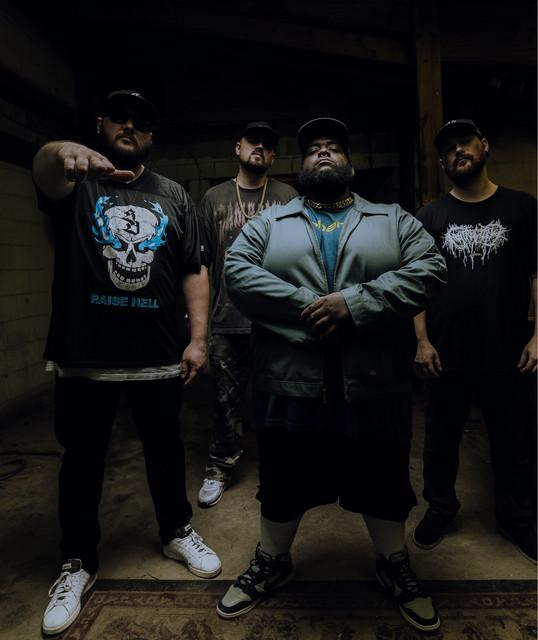
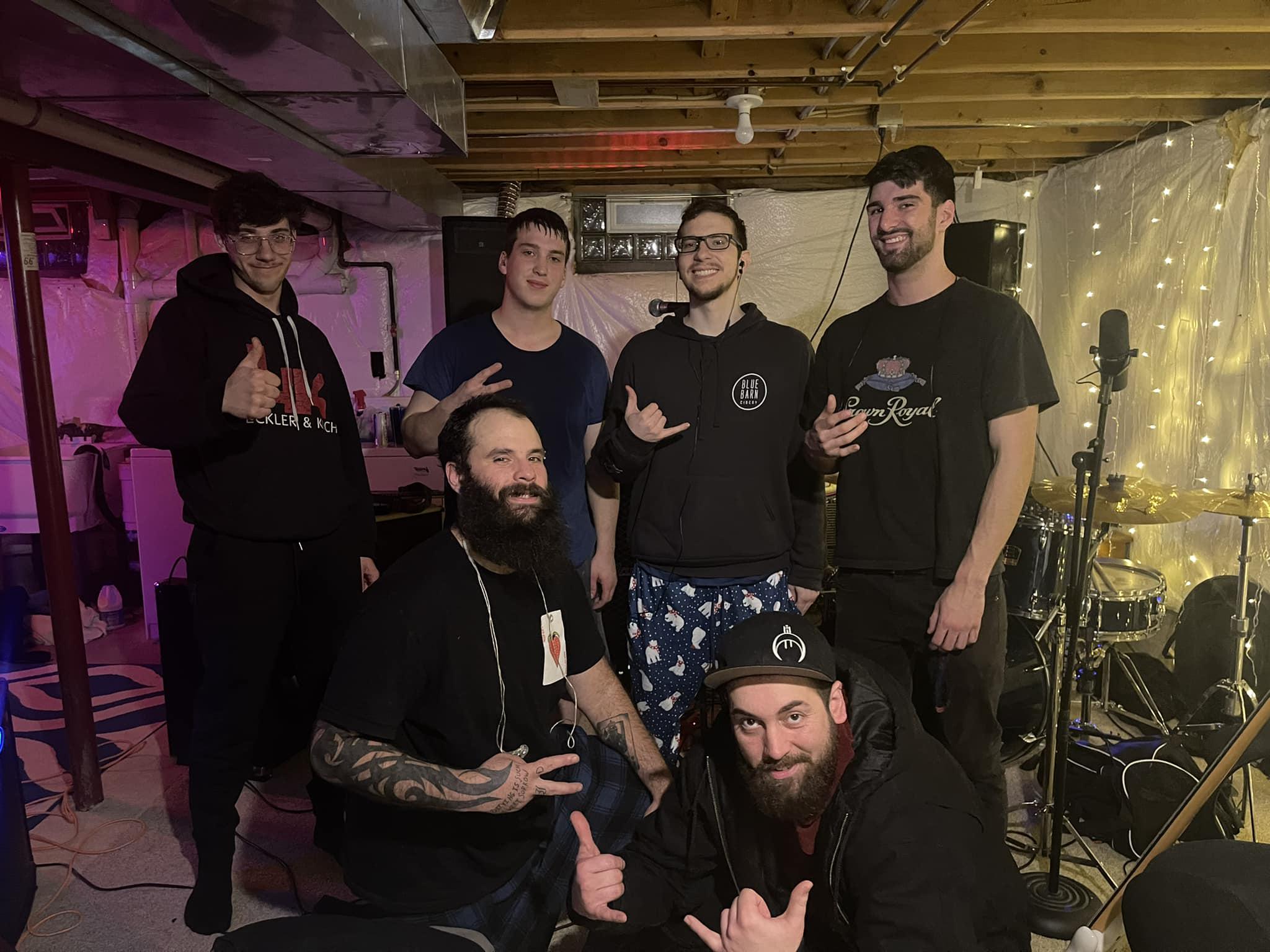
The John Candy’s Spotify BioThe (John) Candy has been described as many things...a nostalgia machine, an embarrassment, sample-core, nostalgia-core, tribute-core, confusing, a boy band, the Girl Talk of metal, and the most original non-original group currently in music. Really, The (John) Candy is whatever you want it to be.
The (John) Candy started in Orange County, California in 2005 with a simple goal of marrying hardcore music with a cacophony of John Candy movie quotes. The idea was borne of a deep affection for 80s/90s pop culture and the man himself, as well as deep seeded heavy music roots for all members of The (John) Candy. A three song EP entitled “Hi Kids!” was independently released and the band faded into obscurity.
Fast forward a decade. The (John) Candy reformed with a host of new influences ranging from EDM production and touring, to the synthwave revival and the popularization of Djent. What came out of their new music writing sessions was an amalgamation of styles and sounds. All music is sampled… from other hardcore/metal/djent/metalcore/etc. acts, woven into a nostalgic tapestry of movie quotes, and most recently, pop music of the era. The band has self-produced and released four additional EPs, two full lengths, and multiple singles.
The (John) Candy continues to produce new music and perform anywhere that will accept a bass turned up to 11. Expect to see a bit of performance art, synchronized dance moves, and a crimson socket gaze when The (John) Candy comes to your town.
Viberate is a music analytics platform built for A&Rs, artist managers, labels, booking agents, marketers, and artists.
It helps music professionals track artist growth, analyze audience data, monitor playlist activity, compare artists, follow song performance, and identify opportunities across the music market.
Public artist pages provide a free preview of selected artist data. Paid plans provide access to deeper analytics, historical data, charts, comparisons, playlist tools, exports, alerts, reports, and additional professional features.
Yes. Public Viberate artist pages provide selected artist analytics and music data for free.
Viberate also offers a 7-day free trial of the full platform. A credit card is required to start the trial. The trial includes access to the complete product so users can test deeper artist analytics, historical views, playlist insights, comparisons, charts, exports, alerts, and reporting features before choosing a paid plan.
Viberate provides artist analytics across streaming, playlists, social media, video, radio airplay, songs, and audience markets.
Users can analyze Spotify performance, Spotify and Apple Music playlists, YouTube activity, TikTok and Instagram growth, radio spins, song performance, audience locations, demographics, rankings, and overall artist momentum.
Artist profiles also connect to music charts, similar artists, and comparison tools, helping users benchmark performance and evaluate artists in context.
Viberate updates key artist and track data daily.
For followed artists and tracks, selected data is refreshed multiple times per day. This helps teams monitor playlist changes, streaming movement, audience growth, releases, and campaign performance with more current data.
Update frequency can vary depending on the metric and data source.
Yes. Viberate lets users compare up to five artists side by side across streaming, social media, audience, and engagement metrics.
Users can compare fanbase growth, audience demographics, locations, Spotify performance, social metrics, and other artist data over selected time periods.
Artist comparison can be used for A&R scouting, benchmarking, booking decisions, campaign planning, and evaluating artists with similar audiences or market positions.