The Incredible String Band

Rock
Psychedelic Rock
Folk Rock
 Viberate Rank: 121122
 Viberate Rank: 121122
 Monthly ListenersFollowers
 Subscribers
 Followers
 Followers
 FansTop Spotify Songs
| Track | 7-Day Streams | |
|---|---|---|
1 | 3.32K | |
2 | 3.12K | |
3 | 2.79K | |
4 | 2.56K | |
5 | 2.23K |
Top YouTube VideosMonthly ListenersFeatured in Playlists| Playlist | Followers | |
|---|---|---|
1 |  Alternative 60s Spotify | 360.56K |
2 |  1000 Recordings to Hear Before You Die (Tom Moon): Album Index Ulysses' Classical | 94.29K |
3 | Ethan Maxwell | 91.94K |
4 |  1001 albums you must hear before you die Manel Juanico Iveldie | 26.57K |
5 |  Warp Selections – A Weekly Mixtape Warp Records | 24.88K |
Audience| City | Monthly Listeners | |
|---|---|---|
1 | | 1.54K |
2 | | 505 |
3 |  | 420 |
4 |  | 408 |
5 | | 406 |
See full performance history, audience data, playlist activity, rankings, comparisons, and more in Viberate music analytics. Start with a free trial, then continue with a paid plan.
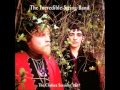
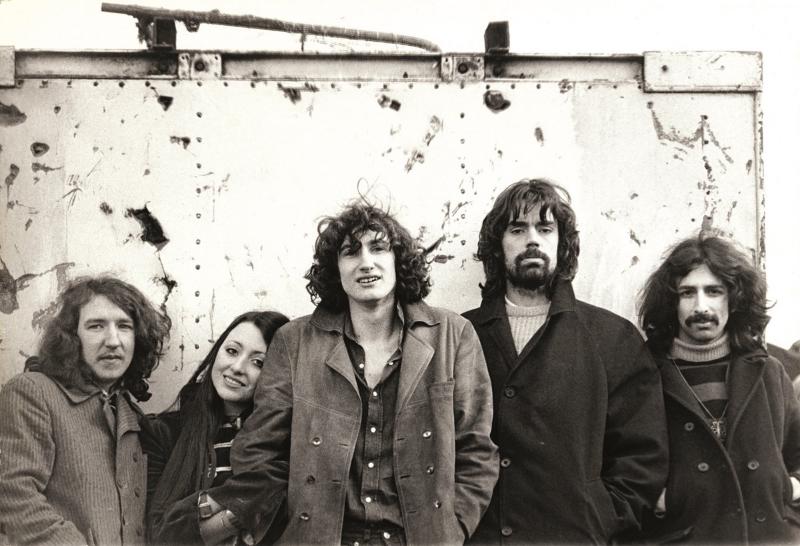
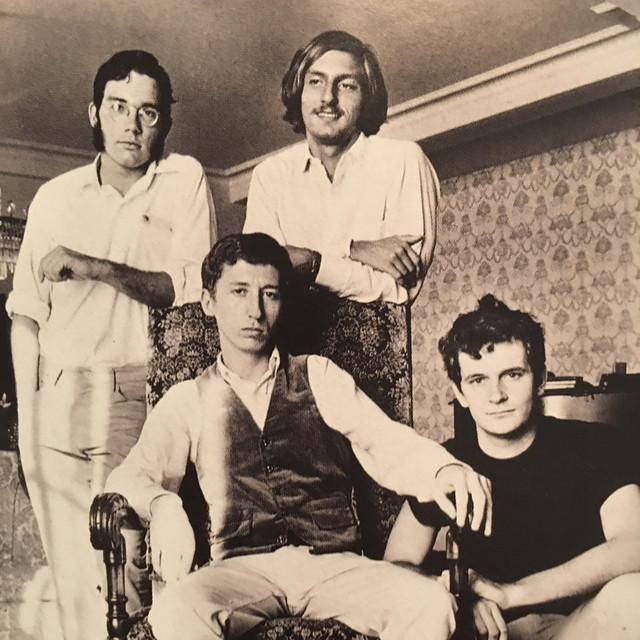
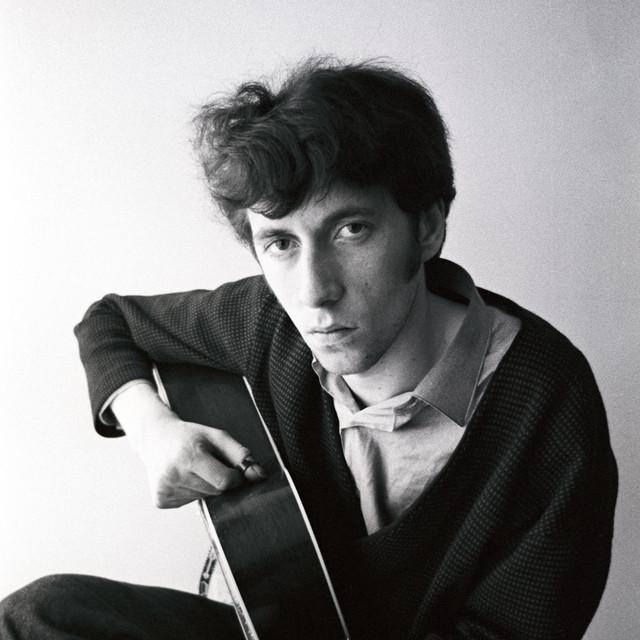
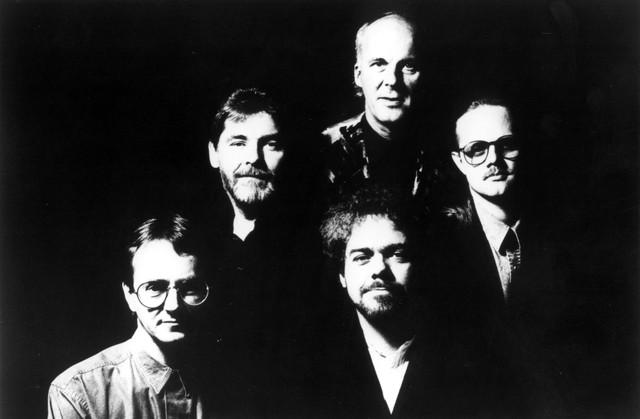
The Incredible String Band’s Spotify BioOne of the most engaging groups to emerge from the esoteric '60s was the Incredible String Band. Basically the duo of Mike Heron and Robin Williamson, its sound was comprised of haunting Celtic folk melodies augmented by a variety of Middle Eastern and Asian instruments. Heron was a member of several rock bands in England in the early '60s, while Williamson and Clive Palmer played as a bluegrass and Scottish folk duo. Heron was asked to join as rhythm guitarist, and the trio named itself the Incredible String Band.
The band was spotted at a club by Joe Boyd, who was opening a British wing of Elektra Records. The trio gave Boyd a demo tape of mostly American bluegrass standards with a few original songs, which impressed him more than the standards. The Incredible String Band, released in 1966, featured mostly original numbers enthusiastically played in American and Celtic folk styles. Following the album's release, Williamson spent several months studying music in Morocco, and Palmer lef…t the group to travel to Afghanistan. For the String Band's second album, The 5000 Spirits or the Layers of the Onion, exotic touches such as the Middle Eastern oud, Indian sitars, and tambouras began to permeate the group's sound. The band's lyrics also became more whimsical; highlights include Williamson's tale of insomnia "No Sleep Blues" and Heron's amorous "Painting Box."
The press raved about the Incredible String Band, and their next album, The Hangman's Beautiful Daughter, was the band's brief flirtation with stardom. Although the music was less commercial than its predecessor, the LP reached the Top Ten in the British album charts and was also the group's highest Billboard chart placing in America, reaching number 161. The songs became less structured, as on the opening, "Koeeoaddi There," which changed tempo frequently as it cascaded joyously with sitars and jaw harp. The album's centerpiece, "A Very Cellular Song," was a suite of short pieces sewn together with the folk song "Bid You Goodnight." For Wee Tam and the Big Huge, the Incredible String Band were augmented by Williamson and Heron's girlfriends, Licorice McKechnie and Rose Simpson.
The group also began to electrically amplify its instruments. This expanded lineup performed at the Woodstock festival in 1969, but due to circumstances it was not one of the band's most memorable performances. The Incredibles' slot was originally to be Friday night after Joan Baez; however, due to heavy rain, the band opted not to perform. Folksinger Melanie took the Incredibles' place and went down extremely well, writing her big hit "Candles in the Rain" about that moment. The Incredible String Band got a lukewarm reception the next afternoon between Creedence Clearwater Revival and Canned Heat.
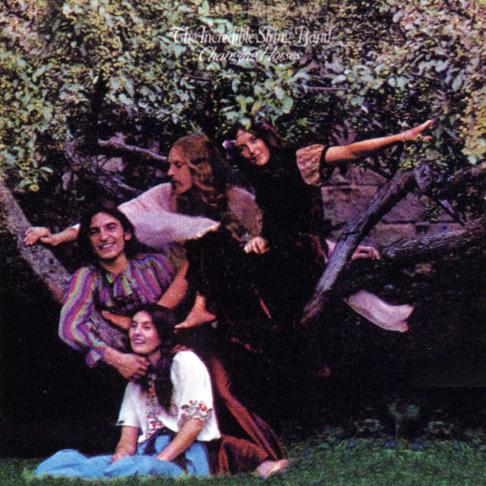
At the turn of the '70s, the Incredible String Band began to lose some of their momentum. The album Changing Horses was not as engaging as the band's previous collections, and the group's eclecticism became a liability rather than an asset. Bassist and pantomimist Malcolm LeMaistre joined in 1971 for U, a well-received stage show that did not translate as easily to record. The band made the transition to electric rock & roll in 1972.
In 1974, following the album Hard Rope & Silken Twine, the Incredible String Band disbanded. Both founding members had prolific solo careers; Heron's took him in a rock direction, while Williamson explored his Celtic roots. For several years the band was seen as a dated anachronism. Recently, with the resurgence in interest in the psychedelic '60s as well as world music, the Incredible String Band's music has been rediscovered by new audiences won over by its mystical charm. A double CD of rare tracks, studio outtakes, and live performances, Tricks of the Senses, was released by Hux Records in 2009. ~ Jim Powers, Rovi
Viberate is a music analytics platform built for A&Rs, artist managers, labels, booking agents, marketers, and artists.
It helps music professionals track artist growth, analyze audience data, monitor playlist activity, compare artists, follow song performance, and identify opportunities across the music market.
Public artist pages provide a free preview of selected artist data. Paid plans provide access to deeper analytics, historical data, charts, comparisons, playlist tools, exports, alerts, reports, and additional professional features.
Yes. Public Viberate artist pages provide selected artist analytics and music data for free.
Viberate also offers a 7-day free trial of the full platform. A credit card is required to start the trial. The trial includes access to the complete product so users can test deeper artist analytics, historical views, playlist insights, comparisons, charts, exports, alerts, and reporting features before choosing a paid plan.
Viberate provides artist analytics across streaming, playlists, social media, video, radio airplay, songs, and audience markets.
Users can analyze Spotify performance, Spotify and Apple Music playlists, YouTube activity, TikTok and Instagram growth, radio spins, song performance, audience locations, demographics, rankings, and overall artist momentum.
Artist profiles also connect to music charts, similar artists, and comparison tools, helping users benchmark performance and evaluate artists in context.
Viberate updates key artist and track data daily.
For followed artists and tracks, selected data is refreshed multiple times per day. This helps teams monitor playlist changes, streaming movement, audience growth, releases, and campaign performance with more current data.
Update frequency can vary depending on the metric and data source.
Yes. Viberate lets users compare up to five artists side by side across streaming, social media, audience, and engagement metrics.
Users can compare fanbase growth, audience demographics, locations, Spotify performance, social metrics, and other artist data over selected time periods.
Artist comparison can be used for A&R scouting, benchmarking, booking decisions, campaign planning, and evaluating artists with similar audiences or market positions.