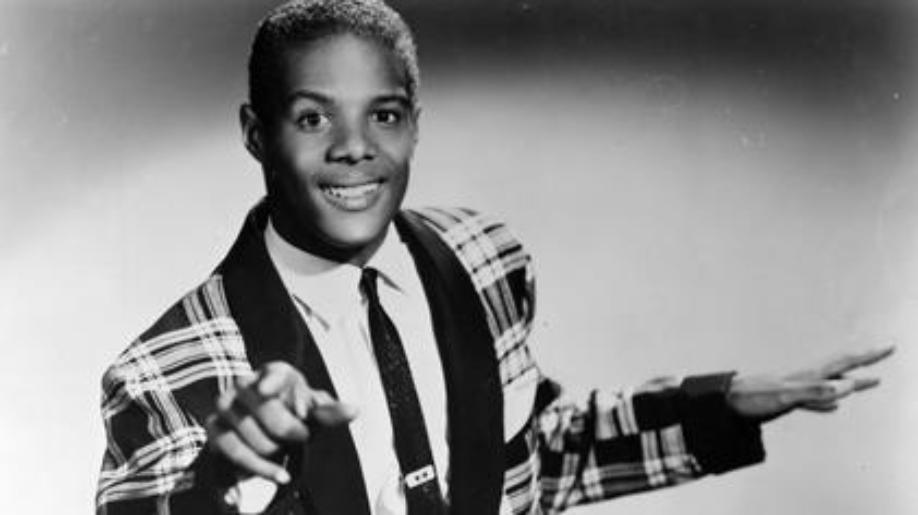
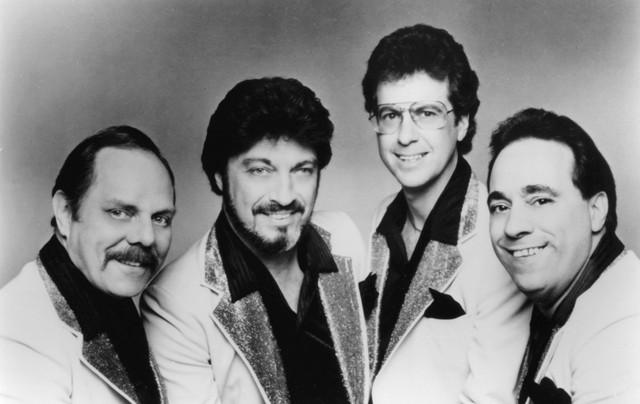
The Impalas

Blues
Classic Blues
Soul
 Viberate Rank: 216667
 Viberate Rank: 216667
 Monthly ListenersFollowers
 Subscribers
 Followers
 Followers
 FansTop Spotify Songs
| Track | 7-Day Streams | |
|---|---|---|
1 | 5.00K | |
2 | 4.41K | |
3 | 75 | |
4 | 48 | |
5 | 48 |
Top YouTube VideosMonthly ListenersFeatured in Playlists| Playlist | Followers | |
|---|---|---|
1 |  1960s Hits 💥 Classics Filtr Sweden | 317.47K |
2 |  Essential Classics Essential Classics | 31.39K |
3 |  60-tals Hits 💥 60-talets bästa låtar Filtr Legacy Sweden | 29.85K |
4 |  Stand By Me Movie Soundtrack 1986 Complete Sebastián Galaviz | 28.23K |
5 |  1950s hits (300) mervynvankuyen | 24.29K |
Audience| City | Monthly Listeners | |
|---|---|---|
1 | | 293 |
2 | | 244 |
3 |  | 236 |
4 | | 234 |
5 |  | 222 |
See full performance history, audience data, playlist activity, rankings, comparisons, and more in Viberate music analytics. Start with a free trial, then continue with a paid plan.
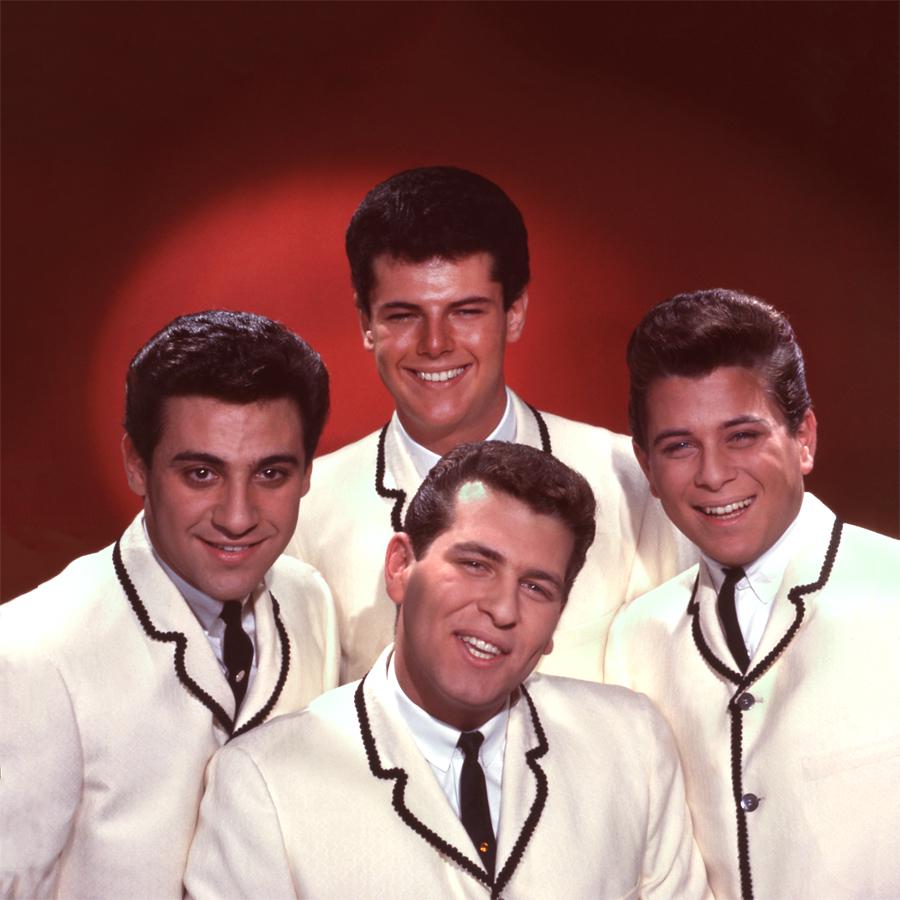
The Impalas’ Spotify BioThe Impalas were a racially integrated vocal group from Brooklyn who are best remembered for their 1959 hit "Sorry (I Ran All the Way Home)," which scored them their only Top 20 hit (number two pop, number 14 R&B). Forming in 1958, the group -- Joe "Speedo" Frazier (the only Black singer), Richard Wagner, Lenny Renda, and Tony Carlucci -- were signed to the Cub label, a subsidiary of MGM that also issued high-quality stereo recordings by the Five Satins, the Harptones, the Stereos, the Velours, and the Wanderers, to name a few. In August of 1959, Cub issued an album, Sorry (I Ran All the Way Home), which featured other recordings the Impalas made for the label. Unfortunately, they had no further hits and disbanded in 1961. ~ Bryan Thomas, Rovi
Viberate is a music analytics platform built for A&Rs, artist managers, labels, booking agents, marketers, and artists.
It helps music professionals track artist growth, analyze audience data, monitor playlist activity, compare artists, follow song performance, and identify opportunities across the music market.
Public artist pages provide a free preview of selected artist data. Paid plans provide access to deeper analytics, historical data, charts, comparisons, playlist tools, exports, alerts, reports, and additional professional features.
Yes. Public Viberate artist pages provide selected artist analytics and music data for free.
Viberate also offers a 7-day free trial of the full platform. A credit card is required to start the trial. The trial includes access to the complete product so users can test deeper artist analytics, historical views, playlist insights, comparisons, charts, exports, alerts, and reporting features before choosing a paid plan.
Viberate provides artist analytics across streaming, playlists, social media, video, radio airplay, songs, and audience markets.
Users can analyze Spotify performance, Spotify and Apple Music playlists, YouTube activity, TikTok and Instagram growth, radio spins, song performance, audience locations, demographics, rankings, and overall artist momentum.
Artist profiles also connect to music charts, similar artists, and comparison tools, helping users benchmark performance and evaluate artists in context.
Viberate updates key artist and track data daily.
For followed artists and tracks, selected data is refreshed multiple times per day. This helps teams monitor playlist changes, streaming movement, audience growth, releases, and campaign performance with more current data.
Update frequency can vary depending on the metric and data source.
Yes. Viberate lets users compare up to five artists side by side across streaming, social media, audience, and engagement metrics.
Users can compare fanbase growth, audience demographics, locations, Spotify performance, social metrics, and other artist data over selected time periods.
Artist comparison can be used for A&R scouting, benchmarking, booking decisions, campaign planning, and evaluating artists with similar audiences or market positions.