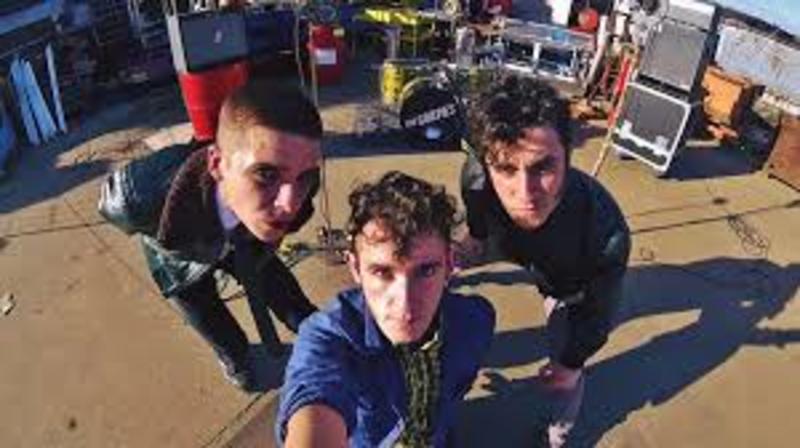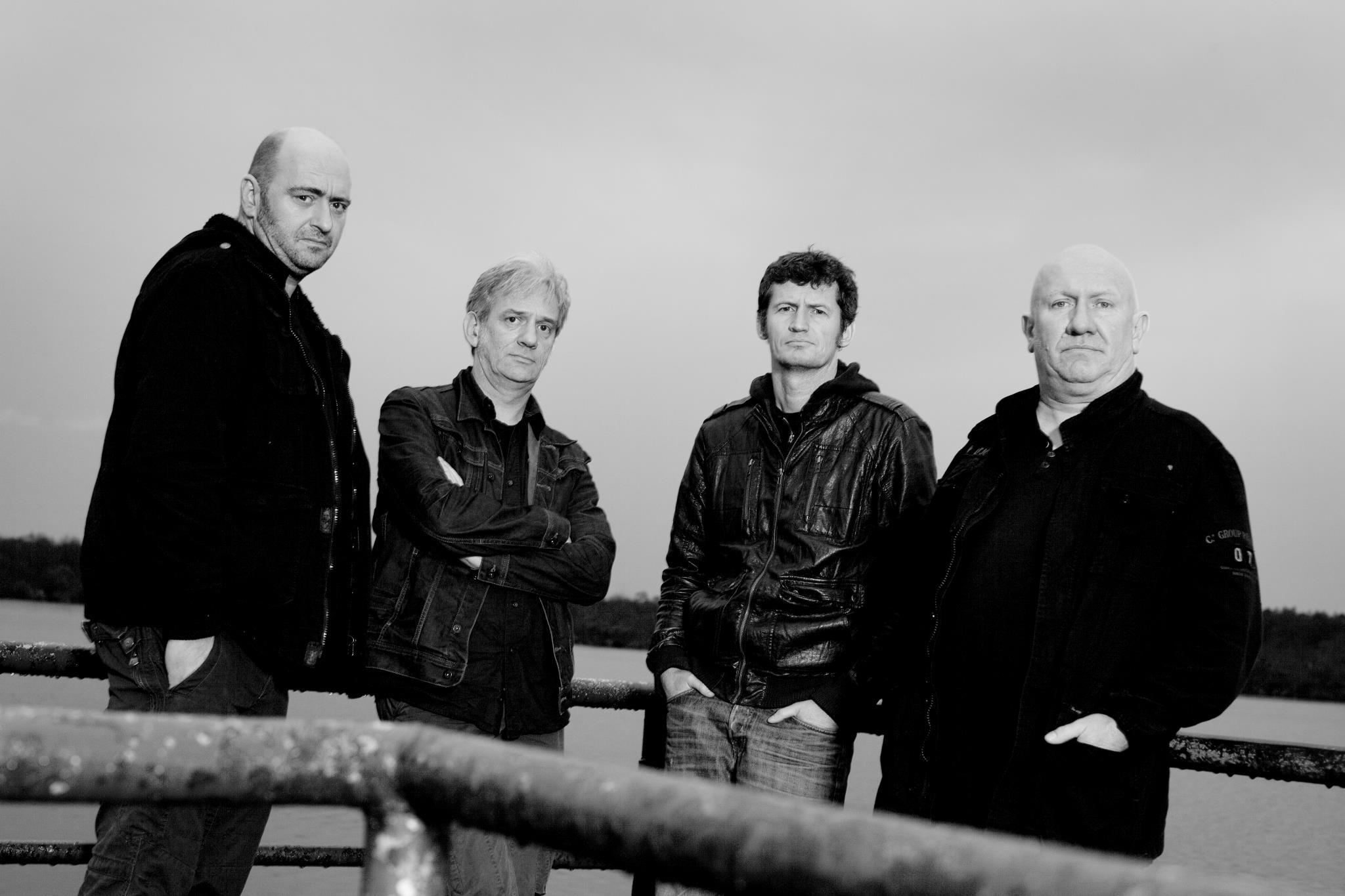
The Hyènes

Rock
Alternative Rock
 Viberate Rank: 365800
 Viberate Rank: 365800
 Monthly ListenersFollowers
 Subscribers
 Followers
 Followers
 FansTop Spotify Songs
| Track | 7-Day Streams | |
|---|---|---|
1 | 57 | |
2 | 32 | |
3 | 16 | |
4 | 11 | |
5 | 10 |
Top YouTube VideosMonthly ListenersFeatured in Playlists| Playlist | Followers | |
|---|---|---|
1 |  french music Christian Marty | 6.63K |
Audience| City | Monthly Listeners | |
|---|---|---|
1 | | 12 |
2 | | 5 |
3 | | 4 |
4 | | 3 |
5 |  | 3 |
See full performance history, audience data, playlist activity, rankings, comparisons, and more in Viberate music analytics. Start with a free trial, then continue with a paid plan.
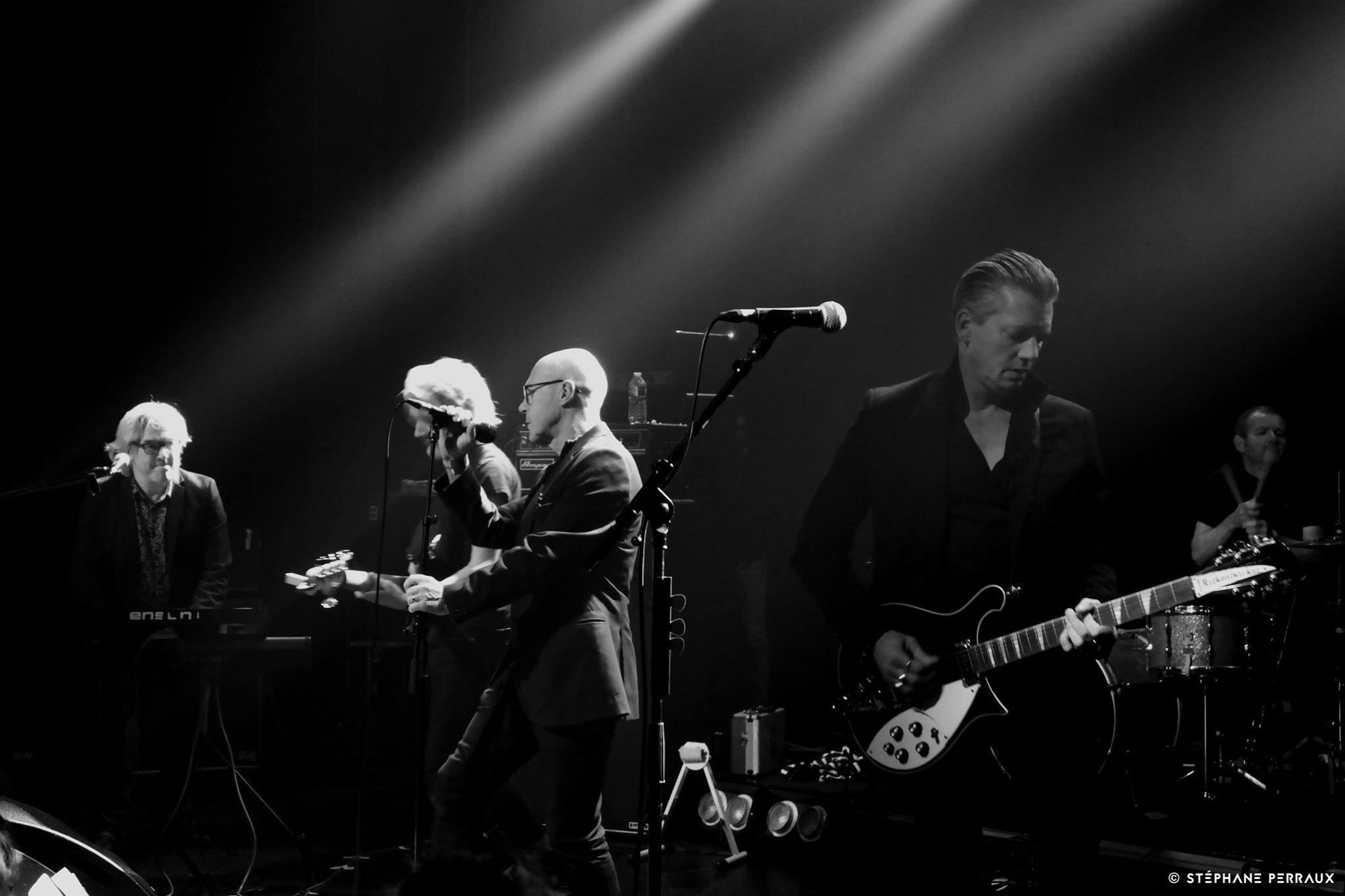
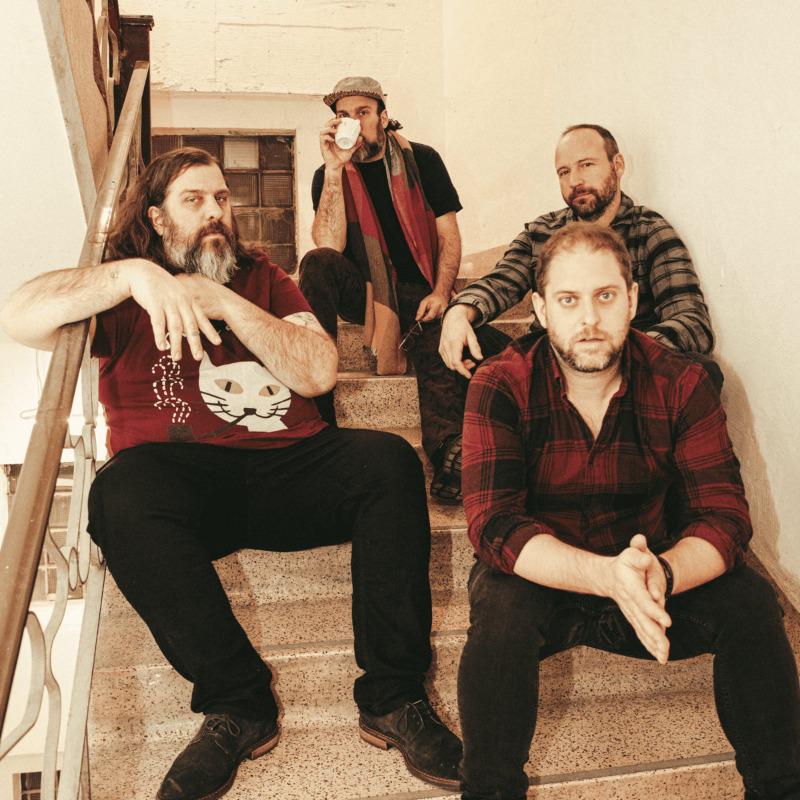
The Hyènes’ Spotify BioC'est bien grâce à Albert Dupontel si The Hyènes a vu le jour : en effet, c'est pour répondre à sa demande que Jean-Paul Roy, Denis Barthe (Noir Désir) et Vincent Bosler (The Very Small Orchestra and The Other Fuckers) se réunissent en 2005. Ils composent spécialement pour l'occasion des morceaux qui vont illustrer des scènes du film "Enfermé Dehors" sur lequel travaille l'acteur-réalisateur. C'est sous le nom de The Hyènes que les trois musiciens vont choisir de signer cette Bande Originale en référence à la scène culte d'un autre film de Dupontel : "Bernie".
L'aventure aurait pu s'arrêter là mais l'envie de monter sur scène se fait naturellement sentir : le trio prend la route. Il va rapidement être rejoint par Olivier Mathios (Ten Cuidado). Les concerts vont dès lors s'enchaîner.
Mars 2012, The Hyènes rentre en studio et c'est Ted Niceley (Fugazi, Noir Désir, Girls Against Boys) qui est choisi pour la réalisation des onze chansons de ce nouvel album. S'en suit la tournée "Peace and… Loud", d’une soixantaine de dates.
En 2014, commence l'aventure du BD concert "Au vent mauvais" en collaboration avec le dessinateur Thierry Murat et l'auteur Rascal. Cette création donnera lieu à 4 ans de tournée et une centaine de dates.
2019... L'envie de faire un nouvel album est là, le groupe s’entoure d’une nouvelle équipe, la reprise des concerts est annoncée pour octobre avec une certaine impatience, et en amuse-bouche, ils dévoilent un nouvel EP.
Viberate is a music analytics platform built for A&Rs, artist managers, labels, booking agents, marketers, and artists.
It helps music professionals track artist growth, analyze audience data, monitor playlist activity, compare artists, follow song performance, and identify opportunities across the music market.
Public artist pages provide a free preview of selected artist data. Paid plans provide access to deeper analytics, historical data, charts, comparisons, playlist tools, exports, alerts, reports, and additional professional features.
Yes. Public Viberate artist pages provide selected artist analytics and music data for free.
Viberate also offers a 7-day free trial of the full platform. A credit card is required to start the trial. The trial includes access to the complete product so users can test deeper artist analytics, historical views, playlist insights, comparisons, charts, exports, alerts, and reporting features before choosing a paid plan.
Viberate provides artist analytics across streaming, playlists, social media, video, radio airplay, songs, and audience markets.
Users can analyze Spotify performance, Spotify and Apple Music playlists, YouTube activity, TikTok and Instagram growth, radio spins, song performance, audience locations, demographics, rankings, and overall artist momentum.
Artist profiles also connect to music charts, similar artists, and comparison tools, helping users benchmark performance and evaluate artists in context.
Viberate updates key artist and track data daily.
For followed artists and tracks, selected data is refreshed multiple times per day. This helps teams monitor playlist changes, streaming movement, audience growth, releases, and campaign performance with more current data.
Update frequency can vary depending on the metric and data source.
Yes. Viberate lets users compare up to five artists side by side across streaming, social media, audience, and engagement metrics.
Users can compare fanbase growth, audience demographics, locations, Spotify performance, social metrics, and other artist data over selected time periods.
Artist comparison can be used for A&R scouting, benchmarking, booking decisions, campaign planning, and evaluating artists with similar audiences or market positions.