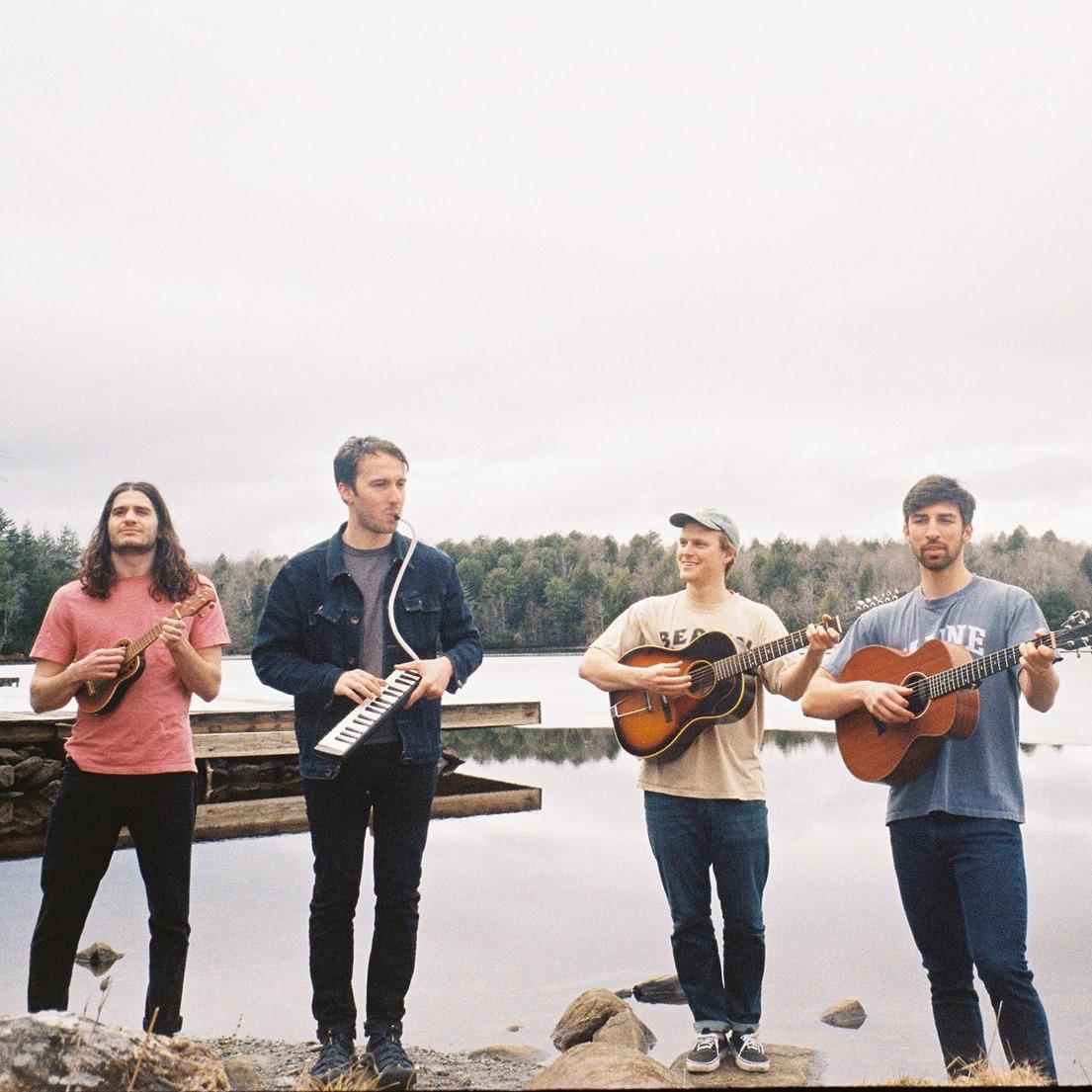
The Humble Cheaters

Rock
Indie Rock
 Viberate Rank: 401094
 Viberate Rank: 401094
 Monthly ListenersFollowers
 Subscribers
 Followers
 Followers
 FansTop Spotify Songs
| Track | 7-Day Streams | |
|---|---|---|
1 | 990 | |
2 | 83 | |
3 | 66 | |
4 | 55 | |
5 | 35 |
Top YouTube VideosMonthly ListenersFeatured in Playlists| Playlist | Followers | |
|---|---|---|
1 |  New Indie 2025 Indie & Folk Radio | 10.29K |
2 |  Working Day Indie Indie & Folk Radio | 5.26K |
3 |  good vibrations bridgetevergreen | 4.42K |
4 |  Chill out lounge jazzy acid minimalist Baptiste Niviere | 3.83K |
5 |  Best of BIRP! 2009 - Current BIRP! | 3.49K |
Audience| City | Monthly Listeners | |
|---|---|---|
1 | | 91 |
2 | | 89 |
3 | | 82 |
4 | | 50 |
5 | | 46 |
See full performance history, audience data, playlist activity, rankings, comparisons, and more in Viberate music analytics. Start with a free trial, then continue with a paid plan.
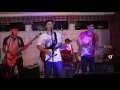
The Humble Cheaters’ Spotify BioRyan Gebhardt, The Humble Cheaters guitarist/singer, remarked, “When we play music together, I feel like I’m at home with my buds.” Considering he’s been co-fronting this indie group for a third of his life, this statement is hardly surprising. When you see The Humble Cheaters perform live, you are watching a family do their favorite thing together. They’re stoked to share their music with you.
Holy Smokes is the most recent product of the band’s evolution. They wrote and recorded the album live to tape in a quaint log cabin studio in Upstate New York. The album features a blend of quirky and warm sounds with lyrics that may or may not make you think. On their first tour of the Northeast, The Humble Cheaters are bringing their jovial, spooky, and fuzzy music to a stage near you.
Our other things - Ryan Gebhardt, Kevin Sloan, Low Beam
Viberate is a music analytics platform built for A&Rs, artist managers, labels, booking agents, marketers, and artists.
It helps music professionals track artist growth, analyze audience data, monitor playlist activity, compare artists, follow song performance, and identify opportunities across the music market.
Public artist pages provide a free preview of selected artist data. Paid plans provide access to deeper analytics, historical data, charts, comparisons, playlist tools, exports, alerts, reports, and additional professional features.
Yes. Public Viberate artist pages provide selected artist analytics and music data for free.
Viberate also offers a 7-day free trial of the full platform. A credit card is required to start the trial. The trial includes access to the complete product so users can test deeper artist analytics, historical views, playlist insights, comparisons, charts, exports, alerts, and reporting features before choosing a paid plan.
Viberate provides artist analytics across streaming, playlists, social media, video, radio airplay, songs, and audience markets.
Users can analyze Spotify performance, Spotify and Apple Music playlists, YouTube activity, TikTok and Instagram growth, radio spins, song performance, audience locations, demographics, rankings, and overall artist momentum.
Artist profiles also connect to music charts, similar artists, and comparison tools, helping users benchmark performance and evaluate artists in context.
Viberate updates key artist and track data daily.
For followed artists and tracks, selected data is refreshed multiple times per day. This helps teams monitor playlist changes, streaming movement, audience growth, releases, and campaign performance with more current data.
Update frequency can vary depending on the metric and data source.
Yes. Viberate lets users compare up to five artists side by side across streaming, social media, audience, and engagement metrics.
Users can compare fanbase growth, audience demographics, locations, Spotify performance, social metrics, and other artist data over selected time periods.
Artist comparison can be used for A&R scouting, benchmarking, booking decisions, campaign planning, and evaluating artists with similar audiences or market positions.