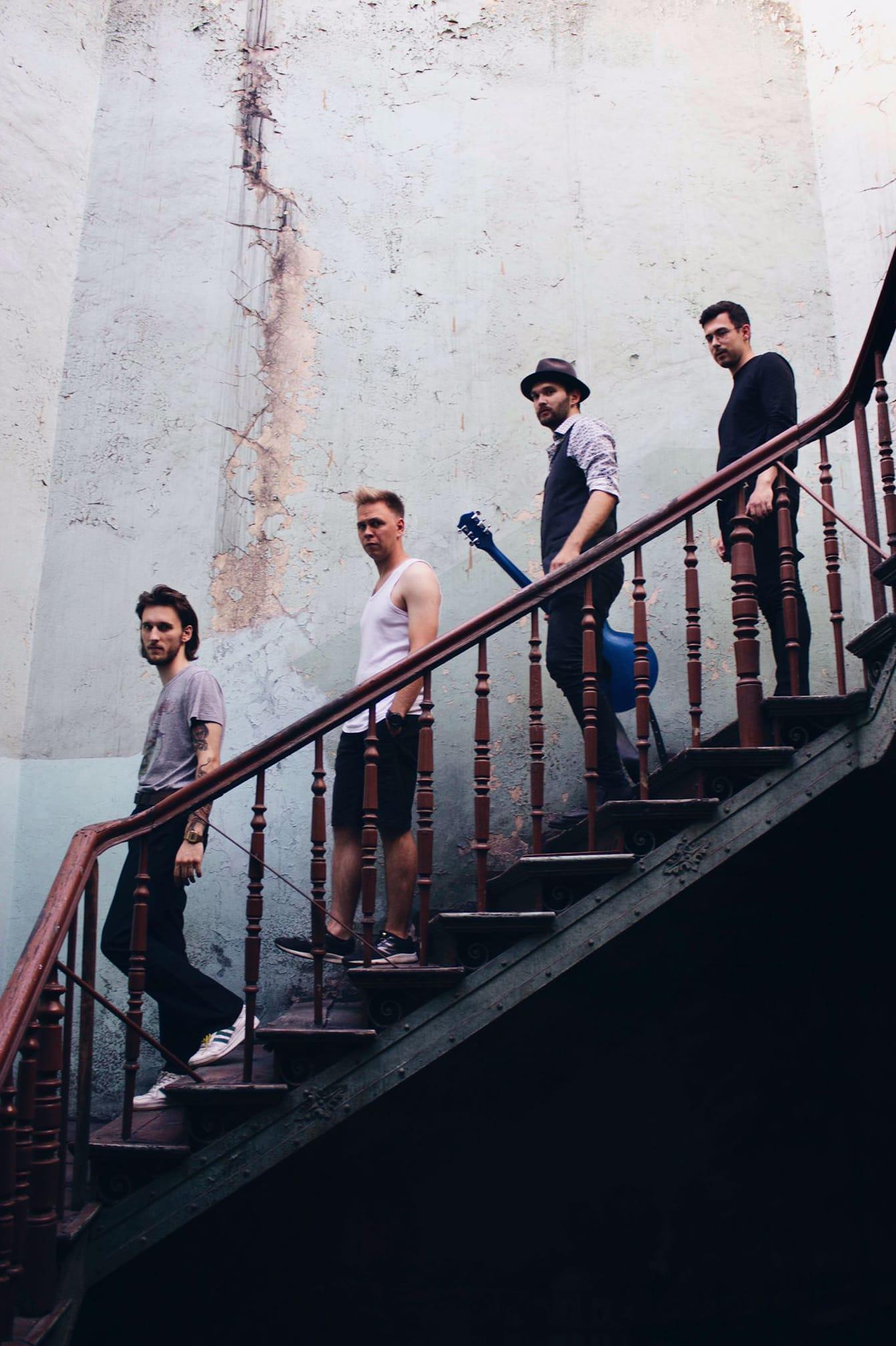
The Howling Eye

Rock
Psychedelic Rock
Alternative Rock
Stoner Rock
 Viberate Rank: 473959
 Viberate Rank: 473959
 Monthly ListenersFollowers
 Subscribers
 Followers
 Followers
 FansTop Spotify Songs
| Track | 7-Day Streams | |
|---|---|---|
1 | 30 | |
2 | 30 | |
3 | 12 | |
4 | 11 | |
5 | 11 |
Top YouTube VideosMonthly ListenersFeatured in Playlists| Playlist | Followers | |
|---|---|---|
1 |  Assortment of Doom & Stoner !Orlag | 1.34K |
2 |  LOW & HEAVY FUZZ Hémorragie | 1.29K |
3 |  STONER ROCK / METAL #Psychedelic #Heavy #Space #Instrumental #Kraut #Doom mekeso | 1.01K |
Audience| City | Monthly Listeners | |
|---|---|---|
1 | | 32 |
2 | | 16 |
3 | | 14 |
4 | | 14 |
5 | | 9 |
See full performance history, audience data, playlist activity, rankings, comparisons, and more in Viberate music analytics. Start with a free trial, then continue with a paid plan.
The Howling Eye’s Spotify BioThe Howling Eye mixes groovy drums, chunky basslines, massive riffs and spaced-out guitar melodies to create a unique flavour of psychedelic rock. Their sound combines All Them Witches’ emotional storytelling, King Gizzard’s kaleidoscopic vibrance and Elder’s energetic thunder. The band experiments on psychedelic rock, injecting it with elements of stoner doom metal, post rock, jazz and funk.
The Howling Eye started in 2016 when three friends – Jan, Miłosz and Cebula – embarked on a quest to find their own musical style, starting from slow and heavy psychedelia. Fast forward three years and the band had absorbed their plentiful, diverse influences, and a new member – Johnny on percussions. With three albums and numerous shows under their belt, the band was ready to begin a new chapter of their journey. However, studying abroad and the pandemic had diverged their paths and caused a semi-hiatus.
After many trials and tribulations, The Howling Eye are back on the road with a new release.… Space Dwellers Tour promotes ‘List Do Borykan’. This long awaited album is an anthology of stories about micro- and macrocosmos, discovering your inner self and real emotions in a dystopian world. The The Howling Eye will visit 15 cities in 3 countries to spread their mystic visions through thunderous riffage, hypnotizing grooves and otherworldly soundscapes.
Viberate is a music analytics platform built for A&Rs, artist managers, labels, booking agents, marketers, and artists.
It helps music professionals track artist growth, analyze audience data, monitor playlist activity, compare artists, follow song performance, and identify opportunities across the music market.
Public artist pages provide a free preview of selected artist data. Paid plans provide access to deeper analytics, historical data, charts, comparisons, playlist tools, exports, alerts, reports, and additional professional features.
Yes. Public Viberate artist pages provide selected artist analytics and music data for free.
Viberate also offers a 7-day free trial of the full platform. A credit card is required to start the trial. The trial includes access to the complete product so users can test deeper artist analytics, historical views, playlist insights, comparisons, charts, exports, alerts, and reporting features before choosing a paid plan.
Viberate provides artist analytics across streaming, playlists, social media, video, radio airplay, songs, and audience markets.
Users can analyze Spotify performance, Spotify and Apple Music playlists, YouTube activity, TikTok and Instagram growth, radio spins, song performance, audience locations, demographics, rankings, and overall artist momentum.
Artist profiles also connect to music charts, similar artists, and comparison tools, helping users benchmark performance and evaluate artists in context.
Viberate updates key artist and track data daily.
For followed artists and tracks, selected data is refreshed multiple times per day. This helps teams monitor playlist changes, streaming movement, audience growth, releases, and campaign performance with more current data.
Update frequency can vary depending on the metric and data source.
Yes. Viberate lets users compare up to five artists side by side across streaming, social media, audience, and engagement metrics.
Users can compare fanbase growth, audience demographics, locations, Spotify performance, social metrics, and other artist data over selected time periods.
Artist comparison can be used for A&R scouting, benchmarking, booking decisions, campaign planning, and evaluating artists with similar audiences or market positions.