The Howlin' Brothers

Country
Bluegrass
Blues Rock
 Viberate Rank: 318253
 Viberate Rank: 318253
 Monthly ListenersFollowers
 Subscribers
 Followers
 Followers
 FansTop Spotify Songs
| Track | 7-Day Streams | |
|---|---|---|
1 | 61 | |
2 | 43 | |
3 | 12 | |
4 | 11 | |
5 | 9 |
Top YouTube VideosMonthly ListenersFeatured in Playlists| Playlist | Followers | |
|---|---|---|
1 |  Lost In Austin: Country Music from SXSW Spotify | 20.63K |
2 | PIANO BLUES ... John Firth | 14.84K |
3 |  Gothic Americana Alexis | 6.71K |
4 | Oh Brother Where Art Thou LuLu | 5.42K |
5 |  Hillbilly Murder Music Tim Walker | 4.95K |
Audience| City | Monthly Listeners | |
|---|---|---|
1 |  | 10 |
2 |  | 8 |
3 | | 6 |
4 | | 5 |
5 |  | 5 |
See full performance history, audience data, playlist activity, rankings, comparisons, and more in Viberate music analytics. Start with a free trial, then continue with a paid plan.
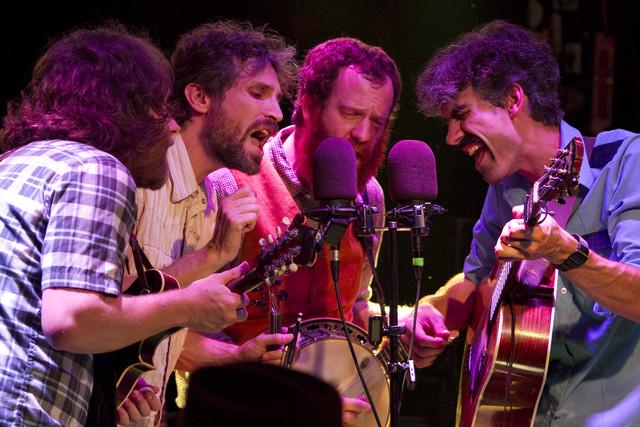
The Howlin' Brothers’ Spotify BioAlthough they look like a bluegrass band, and at times incorporate bluegrass trappings and rhythms, the Howlin' Brothers (who are not brothers by birth) are most decidedly an Americana string band, but in a reconfigured 21st century version, incorporating rock, pop, gospel, jazz, R&B, Dixieland, country blues, and who knows what else into the mix along with a scattering of old-time Appalachian string band material and approaches. Formed in Ithaca, New York at Ithaca College in 2003, the Howlin' Brothers (Ben Plasse on upright bass and banjo, Ian Craft on fiddle, mandolin, and banjo, and Jared Green on guitar and harmonica; all three share vocals and harmonies) developed a fun, foot-stomping live show and an avid following in the Ithaca area, then decided to relocate to Nashville in 2005 and try their luck. The group self-released Mountain Songs (2007), Long Hard Year (2009), Baker St. Blues (2011), and a compilation of live performances, Old Time All the Time (2012), which they sold at… shows, before connecting with Brendan Benson through a mutual friend. Benson took the trio into the studio and produced the band's first national release, Howl, which included guest spots from Jypsi and Warren Haynes and was released by Benson's own Readymade Records in 2013. Trouble, again produced by Benson, followed in 2014. ~ Steve Leggett, Rovi
Viberate is a music analytics platform built for A&Rs, artist managers, labels, booking agents, marketers, and artists.
It helps music professionals track artist growth, analyze audience data, monitor playlist activity, compare artists, follow song performance, and identify opportunities across the music market.
Public artist pages provide a free preview of selected artist data. Paid plans provide access to deeper analytics, historical data, charts, comparisons, playlist tools, exports, alerts, reports, and additional professional features.
Yes. Public Viberate artist pages provide selected artist analytics and music data for free.
Viberate also offers a 7-day free trial of the full platform. A credit card is required to start the trial. The trial includes access to the complete product so users can test deeper artist analytics, historical views, playlist insights, comparisons, charts, exports, alerts, and reporting features before choosing a paid plan.
Viberate provides artist analytics across streaming, playlists, social media, video, radio airplay, songs, and audience markets.
Users can analyze Spotify performance, Spotify and Apple Music playlists, YouTube activity, TikTok and Instagram growth, radio spins, song performance, audience locations, demographics, rankings, and overall artist momentum.
Artist profiles also connect to music charts, similar artists, and comparison tools, helping users benchmark performance and evaluate artists in context.
Viberate updates key artist and track data daily.
For followed artists and tracks, selected data is refreshed multiple times per day. This helps teams monitor playlist changes, streaming movement, audience growth, releases, and campaign performance with more current data.
Update frequency can vary depending on the metric and data source.
Yes. Viberate lets users compare up to five artists side by side across streaming, social media, audience, and engagement metrics.
Users can compare fanbase growth, audience demographics, locations, Spotify performance, social metrics, and other artist data over selected time periods.
Artist comparison can be used for A&R scouting, benchmarking, booking decisions, campaign planning, and evaluating artists with similar audiences or market positions.