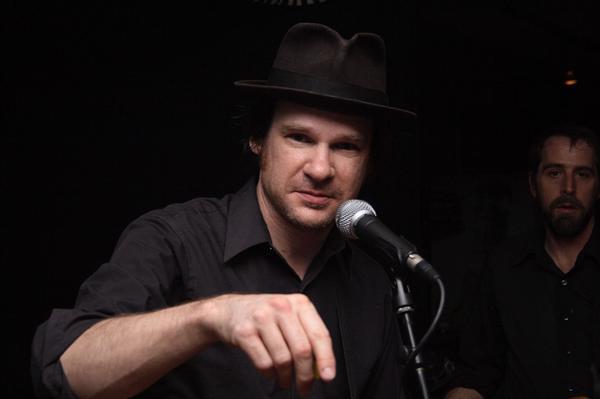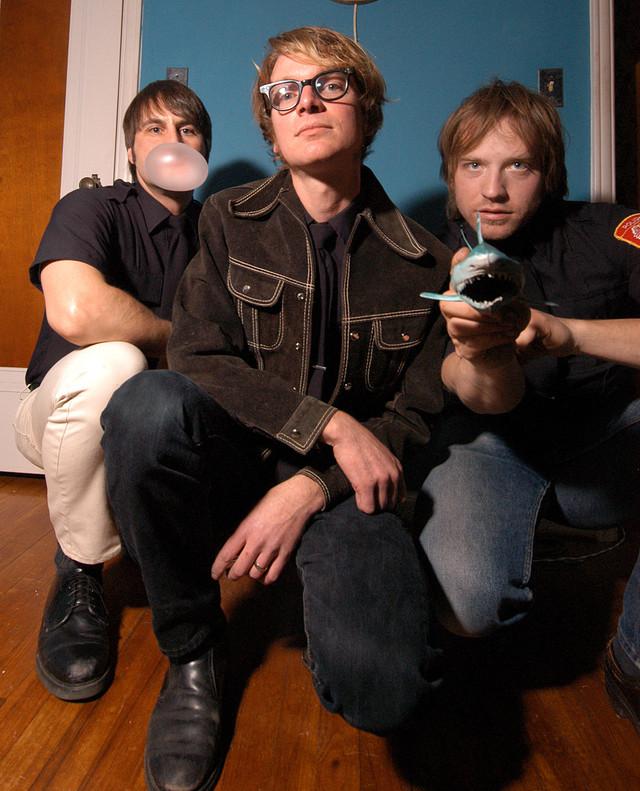
The Hentchmen

Rock
Rockabilly
Garage Rock
 Viberate Rank: 390680
 Viberate Rank: 390680
 Monthly ListenersFollowers
 Subscribers
 Followers
 Followers
 FansTop Spotify Songs
| Track | 7-Day Streams | |
|---|---|---|
1 | 197 | |
2 | 47 | |
3 | 30 | |
4 | 24 | |
5 | 22 |
Top YouTube VideosMonthly ListenersFeatured in Playlists| Playlist | Followers | |
|---|---|---|
1 | wicks Brennan McDowell | 43.73K |
2 |  underground indie rock but it’s actually underground Traintle | 15.29K |
3 |  El Sótano de Radio 3 Groovyfamily | 9.84K |
4 | Wicks - Brennan McDowell Chad Hillman | 5.66K |
5 |  The Sound of Garage Rock The Sounds of Spotify | 3.56K |
Audience| City | Monthly Listeners | |
|---|---|---|
1 | | 30 |
2 | | 28 |
3 | | 19 |
4 | | 18 |
5 |  | 18 |
See full performance history, audience data, playlist activity, rankings, comparisons, and more in Viberate music analytics. Start with a free trial, then continue with a paid plan.
The Hentchmen’s Spotify BioFormed in October of 1992, the Hentchmen were one of the most popular live acts in lower Michigan throughout the '90s. Featuring organist/vocalist Johnny Volare, guitarist Tim V. Eight, and drummer Chris Handyside, the band performed a primitive garage band sound that utilized few instruments and referenced their heroes in '60s music. They began performing around Ann Arbor and Detroit, gaining a small but rabid fanbase. They released their eponymous debut and produced several indie singles, eventually scoring a contract with Norton Records in New York City. "The Hentch" began touring nationally, keeping their home base in Michigan while seeing the rest of the country. They released another album before Handyside was gone, replaced by drummer Mike Audi. With Audi on board they recorded Broad Appeal and Motorvatin', both popular local hits that never quite branched out into larger exposure. Still, one didn't need to pity the Hentchmen. They'd been at it for almost a decade, and had… toured ten times more than your average garage rock slickers. In other words, those in the know already knew. In 2003, Norton issued the Three Times Infinity LP to critical and local acclaim; a year later, the band debuted on the Times Beach imprint with Form Follows Function. Italy released Hentch.Forth.Five, a collection of early works, in 2007. ~ Bradley Torreano, Rovi
Viberate is a music analytics platform built for A&Rs, artist managers, labels, booking agents, marketers, and artists.
It helps music professionals track artist growth, analyze audience data, monitor playlist activity, compare artists, follow song performance, and identify opportunities across the music market.
Public artist pages provide a free preview of selected artist data. Paid plans provide access to deeper analytics, historical data, charts, comparisons, playlist tools, exports, alerts, reports, and additional professional features.
Yes. Public Viberate artist pages provide selected artist analytics and music data for free.
Viberate also offers a 7-day free trial of the full platform. A credit card is required to start the trial. The trial includes access to the complete product so users can test deeper artist analytics, historical views, playlist insights, comparisons, charts, exports, alerts, and reporting features before choosing a paid plan.
Viberate provides artist analytics across streaming, playlists, social media, video, radio airplay, songs, and audience markets.
Users can analyze Spotify performance, Spotify and Apple Music playlists, YouTube activity, TikTok and Instagram growth, radio spins, song performance, audience locations, demographics, rankings, and overall artist momentum.
Artist profiles also connect to music charts, similar artists, and comparison tools, helping users benchmark performance and evaluate artists in context.
Viberate updates key artist and track data daily.
For followed artists and tracks, selected data is refreshed multiple times per day. This helps teams monitor playlist changes, streaming movement, audience growth, releases, and campaign performance with more current data.
Update frequency can vary depending on the metric and data source.
Yes. Viberate lets users compare up to five artists side by side across streaming, social media, audience, and engagement metrics.
Users can compare fanbase growth, audience demographics, locations, Spotify performance, social metrics, and other artist data over selected time periods.
Artist comparison can be used for A&R scouting, benchmarking, booking decisions, campaign planning, and evaluating artists with similar audiences or market positions.