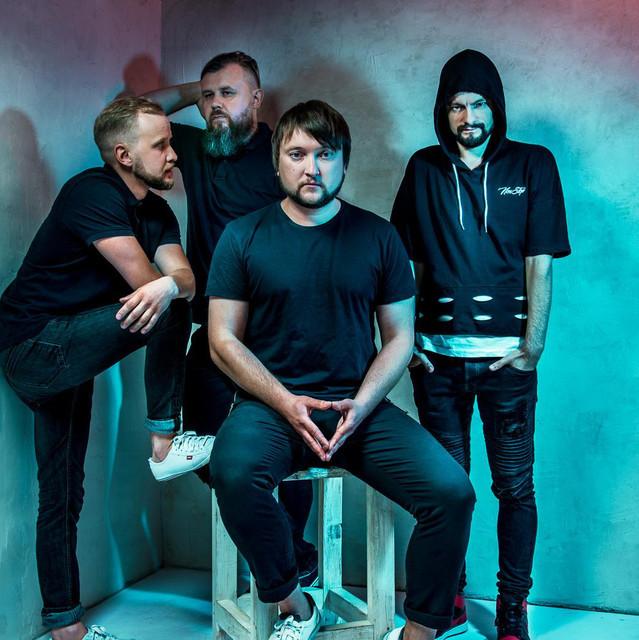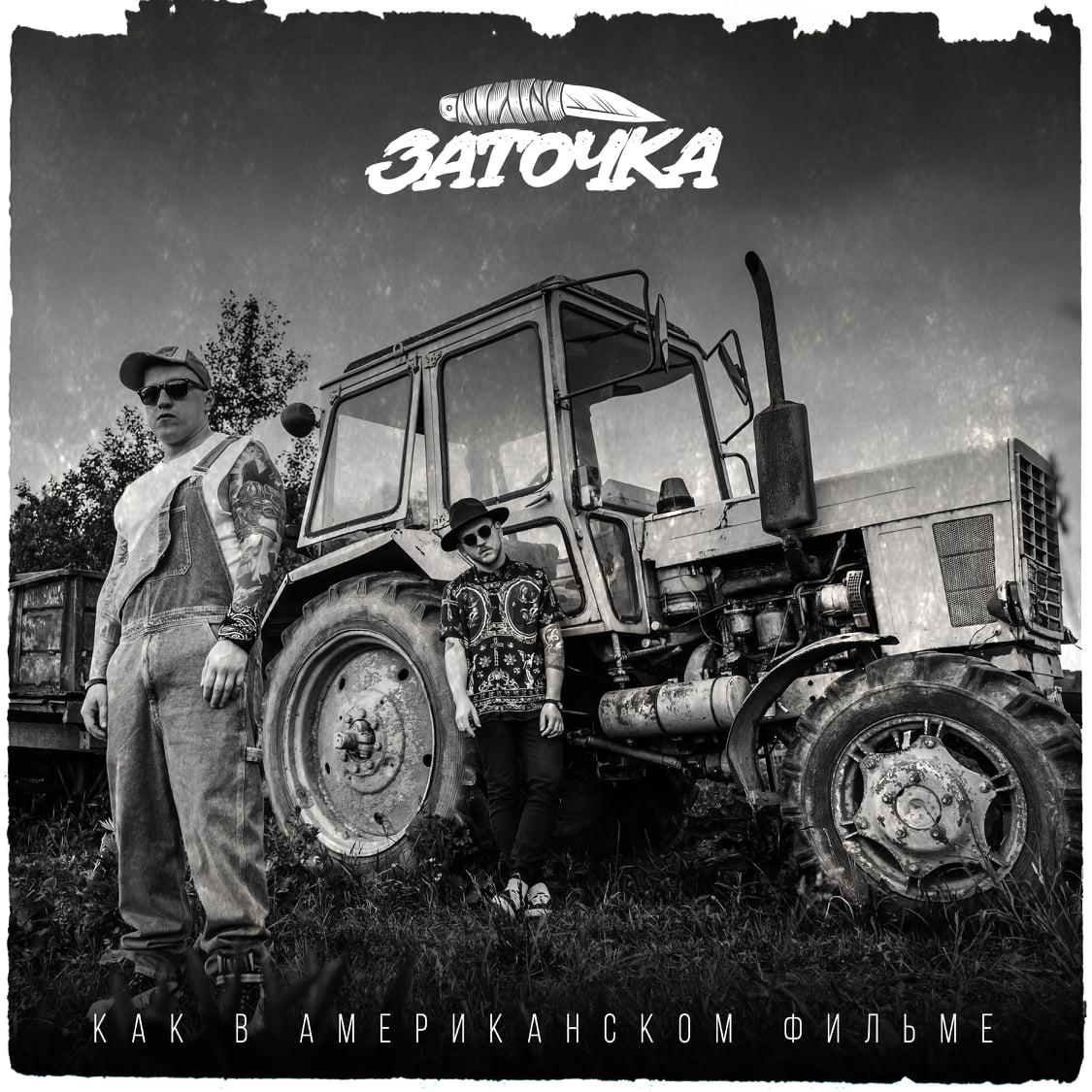
The Hatters

Rock
Folk Rock
Punk Rock
 Viberate Rank: 24484
 Viberate Rank: 24484
 Monthly ListenersFollowers
 Subscribers
 Followers
 Followers
 FansTop Spotify Songs
| Track | 7-Day Streams | |
|---|---|---|
1 | 13.57K | |
2 | 12.68K | |
3 | 8.89K | |
4 | 7.21K | |
5 | 6.55K |
Top YouTube Videos| Video | 7-Day Views | |
|---|---|---|
1 | 2.55K | |
2 | 13 |
Monthly ListenersFeatured in Playlists| Playlist | Followers | |
|---|---|---|
1 | Best Russian Songs of all Times Alikhan Abay | 13.37K |
2 |  Музыка в дорогу John Karoll | 7.94K |
3 |  Animation memes songs (up to 2023) SwiftySmores | 5.98K |
4 |  𝒄𝒍𝒐𝒘𝒏𝒑𝒉𝒐𝒓𝒊𝒂 Bifurcada | 5.59K |
5 |  Русские Ремиксы | Russian Deep Remix Sex Tape | 4.98K |
Audience| City | Monthly Listeners | |
|---|---|---|
1 |  | 9.13K |
2 |  | 5.57K |
3 |  | 4.99K |
4 |  | 3.53K |
5 |  | 3.48K |
See full performance history, audience data, playlist activity, rankings, comparisons, and more in Viberate music analytics. Start with a free trial, then continue with a paid plan.
The Hatters’ Spotify BioTHE HATTERS appeared on the musical stage in 2016, but broke the stage from the very beginning! The band was established in the cultural capital of Russia - St. Petersburg. All the future band members gathered in the same city at the same time, coming from many different parts of the vast country.
What makes The Hatters different from all the other bands? The band is playing without a guitar! Drums, bass-balalaika, trombone, violin and accordion. Do you want to hear something else? THE HATTERS spice up the concept of percussion by using not only a standard set like triangle or tambourine. Scotch? Kids toys? Chains? Washboard? You will discover all this sounds in THE HATTERS songs.
One may wonder why there is so much trash and craziness? The whole answer is hidden in the fact the band members are simple Russian guys! Russian style - this is what gave birth to THE HATTERS, this is what they began to do on stage from the very beginning and continue to do at their every show. RUSSIAN STYLE… is the band’s heart!
You can use a lot of clichés, find similarities with other bands, search for influences to describe THE HATTERS style, but this unique collection of instruments, variety of the performances, interactions with the audience which can be heard in all songs and seen live on THE HATTERS show will not leave you disappointed. It will definitely become clear to you why THE HATTERS call the style in which they perform «Alco-hardcore played on your mental strings.” You will love it!
Viberate is a music analytics platform built for A&Rs, artist managers, labels, booking agents, marketers, and artists.
It helps music professionals track artist growth, analyze audience data, monitor playlist activity, compare artists, follow song performance, and identify opportunities across the music market.
Public artist pages provide a free preview of selected artist data. Paid plans provide access to deeper analytics, historical data, charts, comparisons, playlist tools, exports, alerts, reports, and additional professional features.
Yes. Public Viberate artist pages provide selected artist analytics and music data for free.
Viberate also offers a 7-day free trial of the full platform. A credit card is required to start the trial. The trial includes access to the complete product so users can test deeper artist analytics, historical views, playlist insights, comparisons, charts, exports, alerts, and reporting features before choosing a paid plan.
Viberate provides artist analytics across streaming, playlists, social media, video, radio airplay, songs, and audience markets.
Users can analyze Spotify performance, Spotify and Apple Music playlists, YouTube activity, TikTok and Instagram growth, radio spins, song performance, audience locations, demographics, rankings, and overall artist momentum.
Artist profiles also connect to music charts, similar artists, and comparison tools, helping users benchmark performance and evaluate artists in context.
Viberate updates key artist and track data daily.
For followed artists and tracks, selected data is refreshed multiple times per day. This helps teams monitor playlist changes, streaming movement, audience growth, releases, and campaign performance with more current data.
Update frequency can vary depending on the metric and data source.
Yes. Viberate lets users compare up to five artists side by side across streaming, social media, audience, and engagement metrics.
Users can compare fanbase growth, audience demographics, locations, Spotify performance, social metrics, and other artist data over selected time periods.
Artist comparison can be used for A&R scouting, benchmarking, booking decisions, campaign planning, and evaluating artists with similar audiences or market positions.