The Gufs

Rock
Pop Rock
Indie Rock
 Viberate Rank: 312198
 Viberate Rank: 312198
 Monthly ListenersFollowers
 Subscribers
 Followers
 Followers
 FansTop Spotify Songs
| Track | 7-Day Streams | |
|---|---|---|
1 | 1.17K | |
2 | 378 | |
3 | 308 | |
4 | 168 | |
5 | 111 |
Top YouTube VideosMonthly ListenersFeatured in Playlists| Playlist | Followers | |
|---|---|---|
1 |  90s Alternative Rock & Indie: Hits & Deep Cuts Carefully Curated. | 3.61K |
2 | 88.9 Radio Milwaukee Jonathan Dufrene | 2.33K |
3 | KEXP Ruby Frink | 2.10K |
4 |  It's Beyond Music, Volume I Chris Arnold | 1.22K |
Audience| City | Monthly Listeners | |
|---|---|---|
1 | | 752 |
2 | | 156 |
3 | | 62 |
4 | | 52 |
5 | | 51 |
See full performance history, audience data, playlist activity, rankings, comparisons, and more in Viberate music analytics. Start with a free trial, then continue with a paid plan.
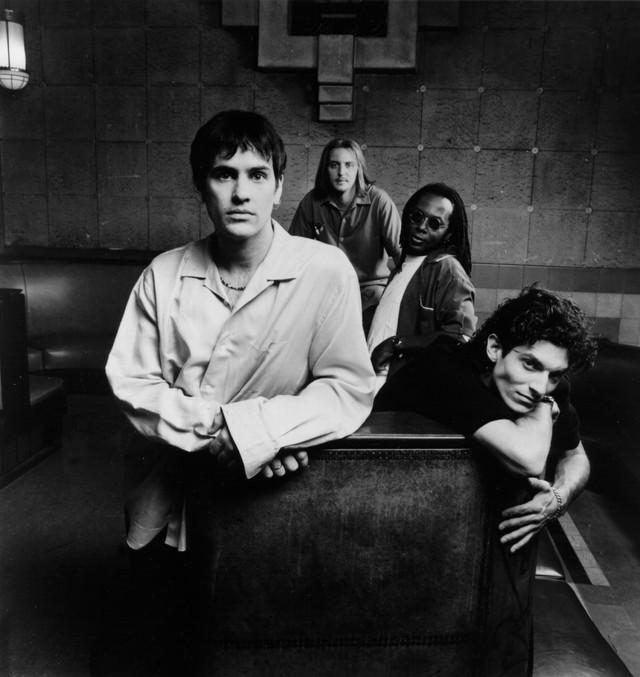
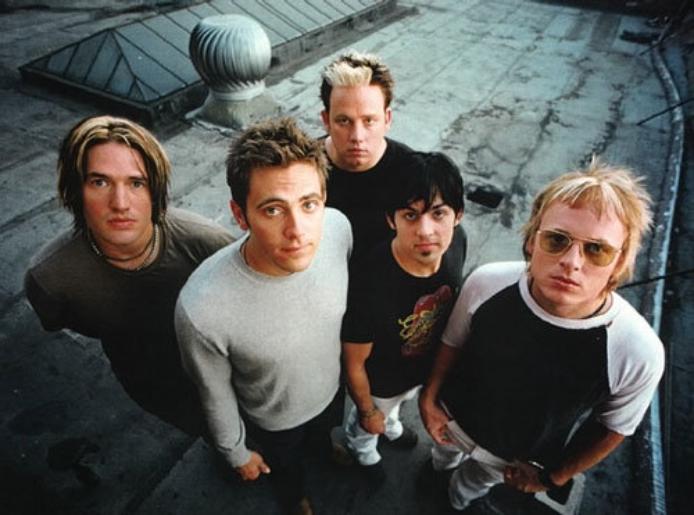
The Gufs’ Spotify BioStarted on the gritty but thriving Milwaukee music scene in 1988, Morgan Dawley (guitar), Dejan Kralj (bass), Goran Kralj (vocals, piano, guitar), and Scott Schwebel (drums) - later joined by Brian Pettit (percussion) - The Gufs, were born in a college dorm room.
Years spent filling clubs around the Midwest, in combination with recording a handful of indie albums ("Staring into the Sun," Songs of Life," "Collide") made waves on college radio, eventually leading to a major label deal with Atlantic Records in the mid 90s. After two records (“The Gufs” 1995, “Holiday from You” 1999), and extensive touring the band parted ways with Atlantic and went into relative musical seclusion.
The band has reunited on selectively since the early 2000s to record or perform. In 2006 they released "A Different Sea" on Red Submarine imprint - their last full length album - followed by a few live appearances with the Milwaukee Symphony Orchestra (2008), an induction ceremony to the Wisconsin Music Hall of… Fame (2012), followed by a handful of rare or previously-unreleased single tracks over the years such as "Heard it Before."
Viberate is a music analytics platform built for A&Rs, artist managers, labels, booking agents, marketers, and artists.
It helps music professionals track artist growth, analyze audience data, monitor playlist activity, compare artists, follow song performance, and identify opportunities across the music market.
Public artist pages provide a free preview of selected artist data. Paid plans provide access to deeper analytics, historical data, charts, comparisons, playlist tools, exports, alerts, reports, and additional professional features.
Yes. Public Viberate artist pages provide selected artist analytics and music data for free.
Viberate also offers a 7-day free trial of the full platform. A credit card is required to start the trial. The trial includes access to the complete product so users can test deeper artist analytics, historical views, playlist insights, comparisons, charts, exports, alerts, and reporting features before choosing a paid plan.
Viberate provides artist analytics across streaming, playlists, social media, video, radio airplay, songs, and audience markets.
Users can analyze Spotify performance, Spotify and Apple Music playlists, YouTube activity, TikTok and Instagram growth, radio spins, song performance, audience locations, demographics, rankings, and overall artist momentum.
Artist profiles also connect to music charts, similar artists, and comparison tools, helping users benchmark performance and evaluate artists in context.
Viberate updates key artist and track data daily.
For followed artists and tracks, selected data is refreshed multiple times per day. This helps teams monitor playlist changes, streaming movement, audience growth, releases, and campaign performance with more current data.
Update frequency can vary depending on the metric and data source.
Yes. Viberate lets users compare up to five artists side by side across streaming, social media, audience, and engagement metrics.
Users can compare fanbase growth, audience demographics, locations, Spotify performance, social metrics, and other artist data over selected time periods.
Artist comparison can be used for A&R scouting, benchmarking, booking decisions, campaign planning, and evaluating artists with similar audiences or market positions.