The Great Lie

Punk
Punk Rock
Metalcore/Deathcore
Hardcore Punk
 Viberate Rank: 559055
 Viberate Rank: 559055
 Monthly ListenersFollowers
 Subscribers
 Followers
 Followers
 FansTop Spotify Songs
| Track | 7-Day Streams | |
|---|---|---|
1 | 1 |
Top YouTube VideosMonthly ListenersFeatured in Playlists| Playlist | Followers | |
|---|---|---|
1 |  New Hardcore 2025 Jens W | 5.58K |
2 |  2025 Hardcore Releases No Echo | 2.54K |
3 |  2022 Hardcore Releases No Echo | 2.29K |
4 |  All New Punk Rock 2026 (PUNKERS HUB) PUNKLOID | 2.23K |
Audience| City | Monthly Listeners | |
|---|---|---|
1 | | 3 |
See full performance history, audience data, playlist activity, rankings, comparisons, and more in Viberate music analytics. Start with a free trial, then continue with a paid plan.
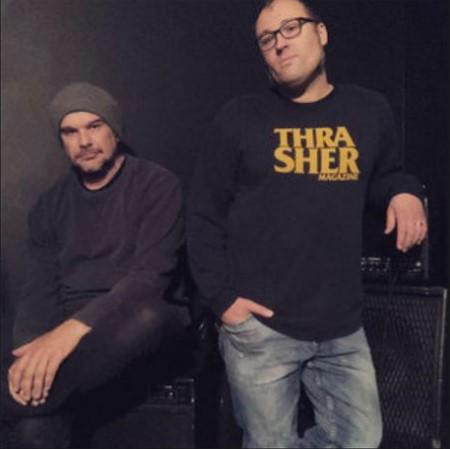
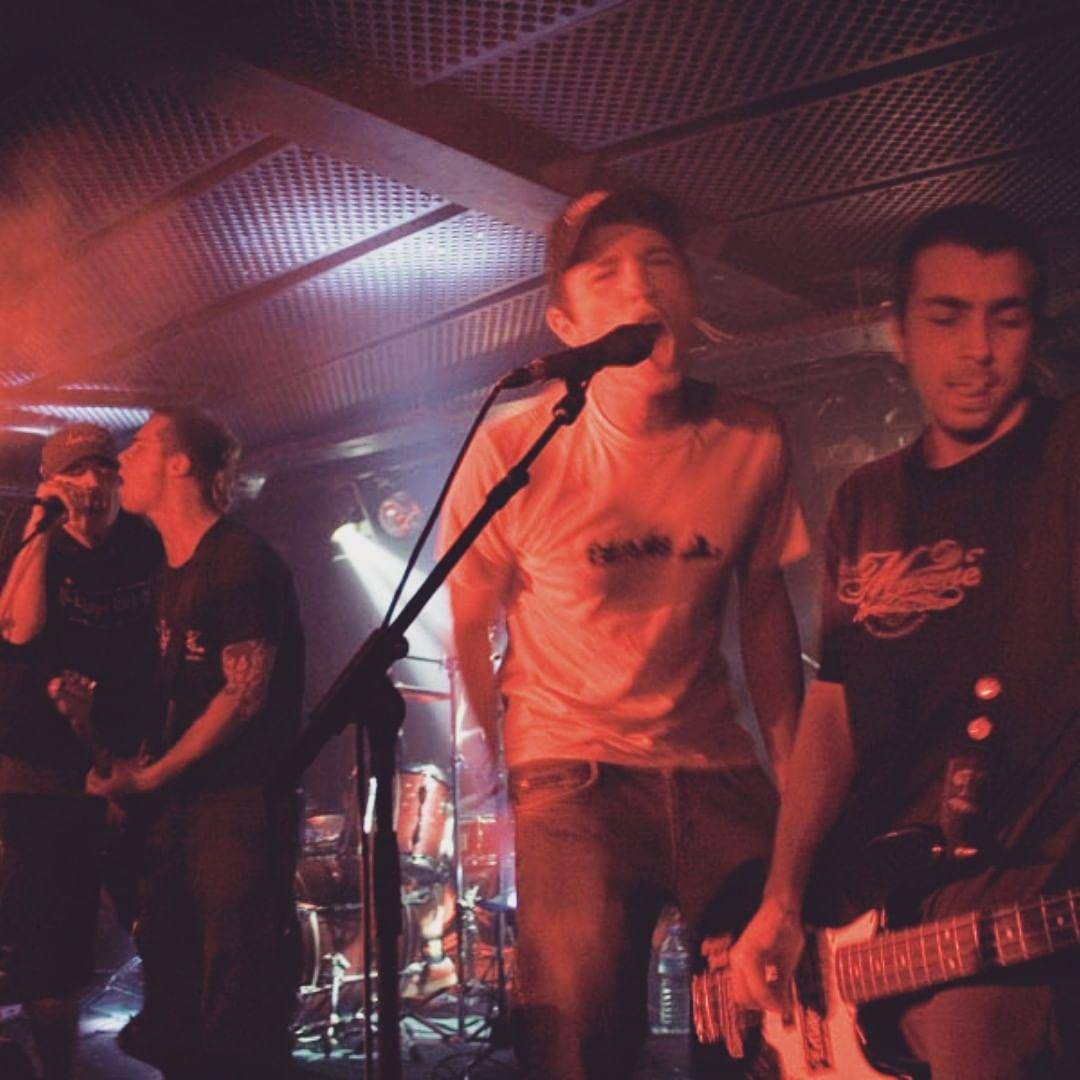
The Great Lie’s Spotify BioThe Great Lie was born in the gutter light of Long Island in 2014, a wrecking crew of hardcore vets who’d seen it all, bled for it, and came back grinning. Kerry Merkle howls like he’s got demons chained to his ribs, Scott Martin's bass lines grind like subway wheels on rusted tracks, Mike Scarola carves riffs like broken glass, and John Lafata hits drums like they owe him money. These aren’t kids with dreams—they’re survivors from the trenches of Madball, Mind Over Matter, Silent Majority, Sheer Terror, Milhouse, Dmize, and Neglect.
They’ve gone toe-to-toe with the scene’s heavyweights—Pro-Pain, Agnostic Front, H2O, Madball, T.S.O.L., M.O.D.—leaving nothing but sweat and scorched earth behind. In 2020, they dropped Defying Extinction, cut live with Martin Bisi, the mad scientist behind Sonic Youth and Unsane. Then came Burners in 2022, raw and impulsive, cooked up in their own sweatbox studio by Anthony Corallo. No polish. Just heart and noise.
By 2023, Vertigo hit—recorded by Jast… Collum, mastered by Arthur Rizk (you know, the guy who’s made metal sound like war). Now they’re back with Songs For A Monday Morning, a bitter pill for a working man’s week, kicked off with “Fractured”—tight, sharp, and seething with Jast’s grit and Rizk’s edge.
The Great Lie doesn’t play at hardcore—they live it. Loud, relentless, and unflinching. No trends, no gimmicks—just the truth, screaming through the feedback.
Viberate is a music analytics platform built for A&Rs, artist managers, labels, booking agents, marketers, and artists.
It helps music professionals track artist growth, analyze audience data, monitor playlist activity, compare artists, follow song performance, and identify opportunities across the music market.
Public artist pages provide a free preview of selected artist data. Paid plans provide access to deeper analytics, historical data, charts, comparisons, playlist tools, exports, alerts, reports, and additional professional features.
Yes. Public Viberate artist pages provide selected artist analytics and music data for free.
Viberate also offers a 7-day free trial of the full platform. A credit card is required to start the trial. The trial includes access to the complete product so users can test deeper artist analytics, historical views, playlist insights, comparisons, charts, exports, alerts, and reporting features before choosing a paid plan.
Viberate provides artist analytics across streaming, playlists, social media, video, radio airplay, songs, and audience markets.
Users can analyze Spotify performance, Spotify and Apple Music playlists, YouTube activity, TikTok and Instagram growth, radio spins, song performance, audience locations, demographics, rankings, and overall artist momentum.
Artist profiles also connect to music charts, similar artists, and comparison tools, helping users benchmark performance and evaluate artists in context.
Viberate updates key artist and track data daily.
For followed artists and tracks, selected data is refreshed multiple times per day. This helps teams monitor playlist changes, streaming movement, audience growth, releases, and campaign performance with more current data.
Update frequency can vary depending on the metric and data source.
Yes. Viberate lets users compare up to five artists side by side across streaming, social media, audience, and engagement metrics.
Users can compare fanbase growth, audience demographics, locations, Spotify performance, social metrics, and other artist data over selected time periods.
Artist comparison can be used for A&R scouting, benchmarking, booking decisions, campaign planning, and evaluating artists with similar audiences or market positions.