The Good Life

Rock
Indie Rock
Folk Rock
 Viberate Rank: 188433
 Viberate Rank: 188433
 Monthly ListenersFollowers
 Subscribers
 Followers
 Followers
 FansTop Spotify Songs
| Track | 7-Day Streams | |
|---|---|---|
1 | 2.79K | |
2 | 964 | |
3 | 570 | |
4 | 402 | |
5 | 390 |
Top YouTube VideosMonthly ListenersFeatured in Playlists| Playlist | Followers | |
|---|---|---|
1 | CORE DRIVE SONG BANK ashton_irwin | 18.63K |
2 |  Duyster (all tracks ever played) Wike | 8.15K |
3 |  Dark Cabaret/ Circus/ Vaudeville/ Gypsy Punk/ Steam Punk/ Electro-Swing/ Ragtime Jen ✝️ | 5.99K |
4 |  90s Emo 1294439369 | 5.62K |
5 | super fire but super random charlotteslawrence1 | 4.67K |
Audience| City | Monthly Listeners | |
|---|---|---|
1 | | 360 |
2 | | 296 |
3 | | 254 |
4 | | 251 |
5 | | 213 |
See full performance history, audience data, playlist activity, rankings, comparisons, and more in Viberate music analytics. Start with a free trial, then continue with a paid plan.
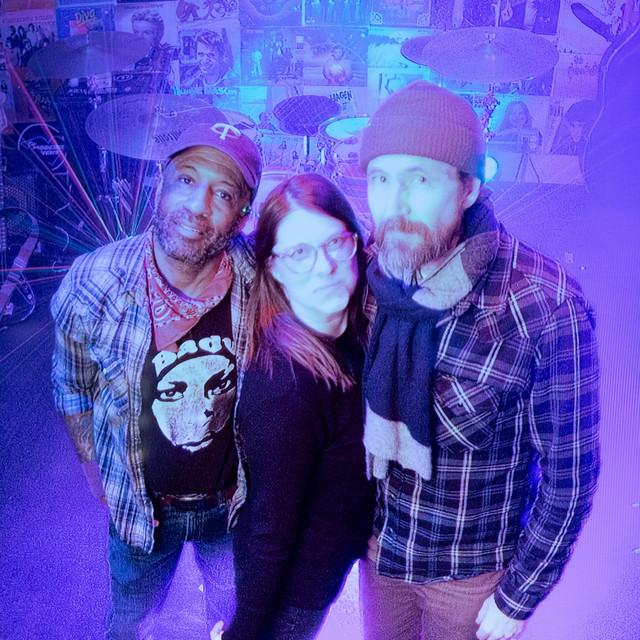
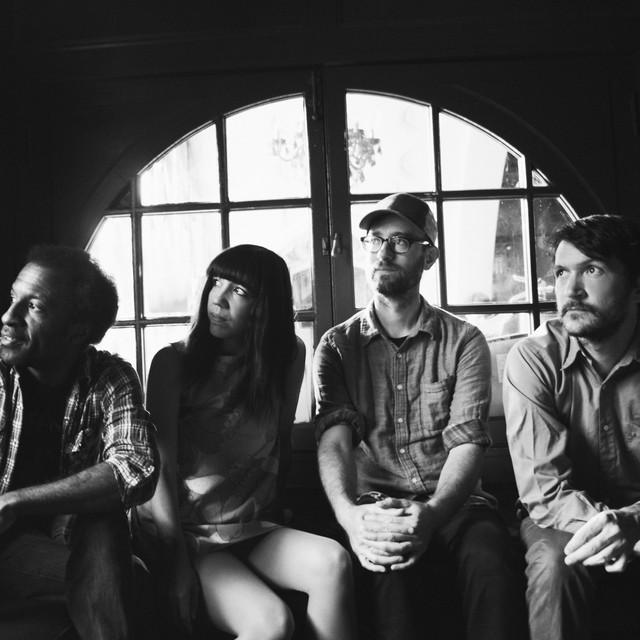
The Good Life’s Spotify BioA vibrant sonic evolution for the band, Everybody’s Coming Down is The Good Life’s fifth full-length and first since 2007’s Help Wanted Nights. The album fully expresses The Good Life perhaps more so than any previous release, combining and reflecting each member’s nature and strengths: drummer Roger Lewis’s love of classic rock, multi-instrumentalist Ryan Fox’s chaotic approach to melody, Stefanie Drootin-Senseney’s propulsive yet tuneful bass parts, and singer/guitarist Tim Kasher’s deft, complementary song writing. Lyrically, Everybody’s Coming Down is an engrossing, contemplative mix that touches on existential and cosmic queries, ruminations on regrets and self-worth, and the power of memory versus experience.
The band began recording the album in January 2015 with Ben Brodin at Omaha’s ARC studios and finished the songs in the quartet’s respective homes, which were scattered across the US: Chicago, IL (Kasher), Omaha, NE (Lewis), Los Angeles, CA (Drootin-Senseney), and Portland,… OR (Fox). The group reconvened to mix the album with John Congleton at his Elmwood Recording in Dallas, TX.
Viberate is a music analytics platform built for A&Rs, artist managers, labels, booking agents, marketers, and artists.
It helps music professionals track artist growth, analyze audience data, monitor playlist activity, compare artists, follow song performance, and identify opportunities across the music market.
Public artist pages provide a free preview of selected artist data. Paid plans provide access to deeper analytics, historical data, charts, comparisons, playlist tools, exports, alerts, reports, and additional professional features.
Yes. Public Viberate artist pages provide selected artist analytics and music data for free.
Viberate also offers a 7-day free trial of the full platform. A credit card is required to start the trial. The trial includes access to the complete product so users can test deeper artist analytics, historical views, playlist insights, comparisons, charts, exports, alerts, and reporting features before choosing a paid plan.
Viberate provides artist analytics across streaming, playlists, social media, video, radio airplay, songs, and audience markets.
Users can analyze Spotify performance, Spotify and Apple Music playlists, YouTube activity, TikTok and Instagram growth, radio spins, song performance, audience locations, demographics, rankings, and overall artist momentum.
Artist profiles also connect to music charts, similar artists, and comparison tools, helping users benchmark performance and evaluate artists in context.
Viberate updates key artist and track data daily.
For followed artists and tracks, selected data is refreshed multiple times per day. This helps teams monitor playlist changes, streaming movement, audience growth, releases, and campaign performance with more current data.
Update frequency can vary depending on the metric and data source.
Yes. Viberate lets users compare up to five artists side by side across streaming, social media, audience, and engagement metrics.
Users can compare fanbase growth, audience demographics, locations, Spotify performance, social metrics, and other artist data over selected time periods.
Artist comparison can be used for A&R scouting, benchmarking, booking decisions, campaign planning, and evaluating artists with similar audiences or market positions.