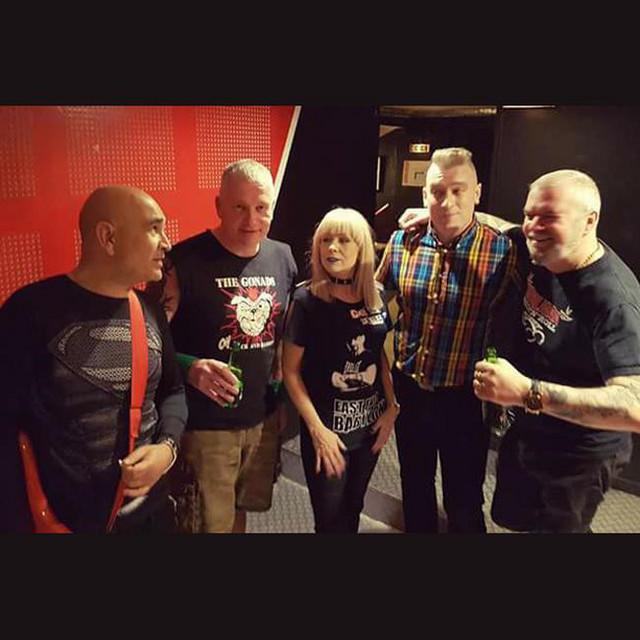
The Gonads

Punk
Punk Rock
Ska Punk
 Viberate Rank: 239497
 Viberate Rank: 239497
 Monthly ListenersFollowers
 Subscribers
 Followers
 Followers
 FansTop Spotify Songs
| Track | 7-Day Streams | |
|---|---|---|
1 | 186 | |
2 | 114 | |
3 | 101 | |
4 | 75 | |
5 | 43 |
Top YouTube VideosMonthly ListenersFeatured in Playlists| Playlist | Followers | |
|---|---|---|
1 | Oi! & Punk 1500 songs Ollebolle | 15.32K |
2 |  Skinhead Music 🕸 1962 - 2026 4400_nie_k.o. | 3.00K |
3 |  Oi! Working Class Punk Anthems scotthillmorrison | 2.72K |
4 | SKINHEAD punk and oi hadden77 | 2.52K |
5 | Skinhead Musik Oi! PUNK Rock'n'Roll donpromillo1909 | 2.51K |
Audience| City | Monthly Listeners | |
|---|---|---|
1 | | 62 |
2 | | 23 |
3 | | 22 |
4 |  | 16 |
5 |  | 15 |
See full performance history, audience data, playlist activity, rankings, comparisons, and more in Viberate music analytics. Start with a free trial, then continue with a paid plan.
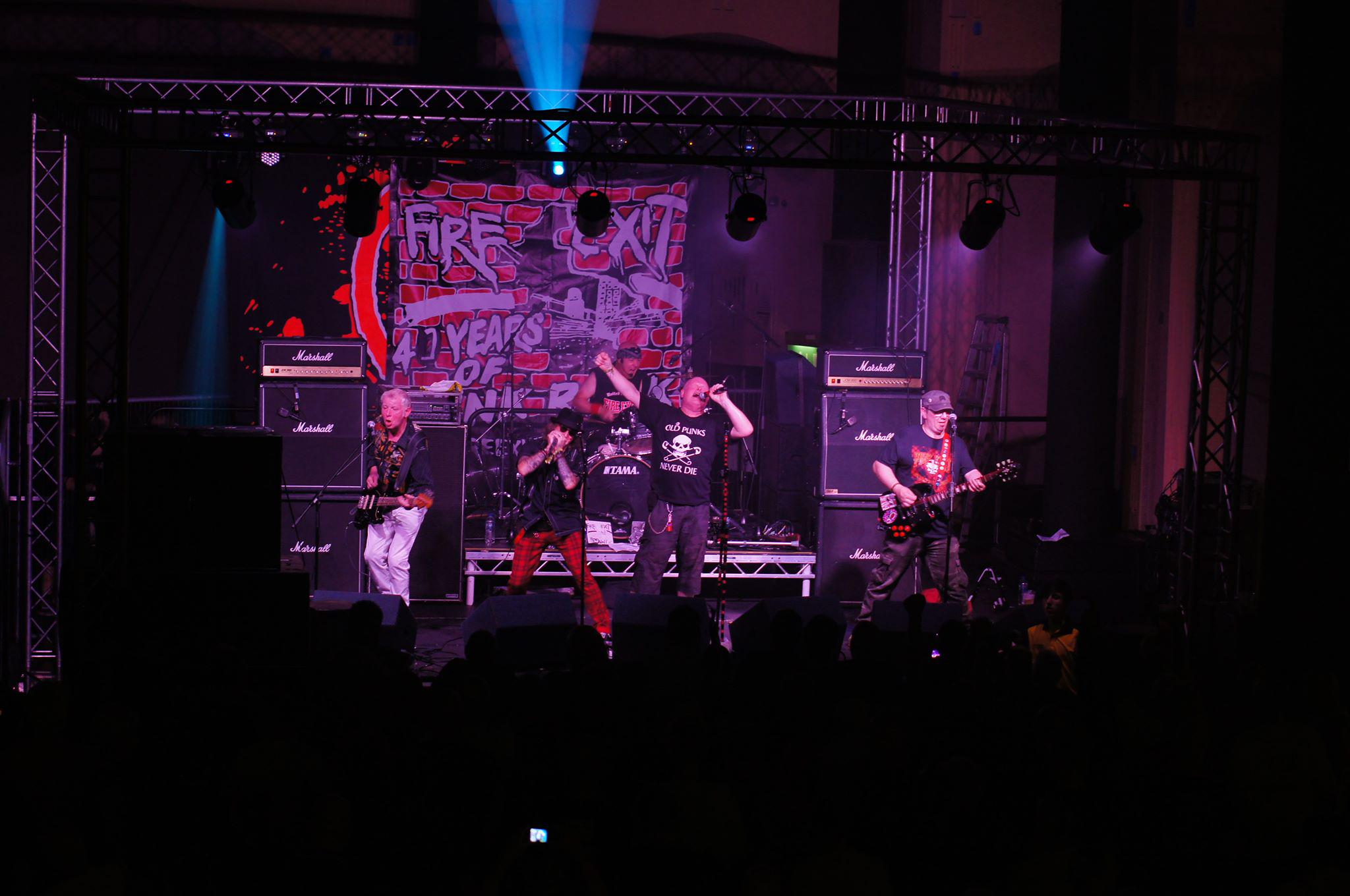
The Gonads’ Spotify BioThe Gonads are a good time Cockney rock band from south London. They play punk, Ska and drinking songs and are as down to earth as a Deptford gutter.
Singer Gal Gonad formed the band in 1977, inspired by the Ramones, The Clash, Ian Dury, Tighten Up reggae and Monty Python.
He went on to write on the UK rock weekly Sounds where he was the first to review the Specials, the Ruts and the Skids, among many others.
In 1981, Gal reformed the Gonads and notched up an Indie chart hit with their first e.p. Pure Punk For Row People (including the classic I Lost My Love To A UK Sub).
They spent the next five years writing street-punk classics such as SE7 Dole Day and Lager Top Blues before splitting again.
In the last decade, the Gonads have played all over Europe and the USA. In 2017 they played a ‘40 Years Of Failure’ US tour.
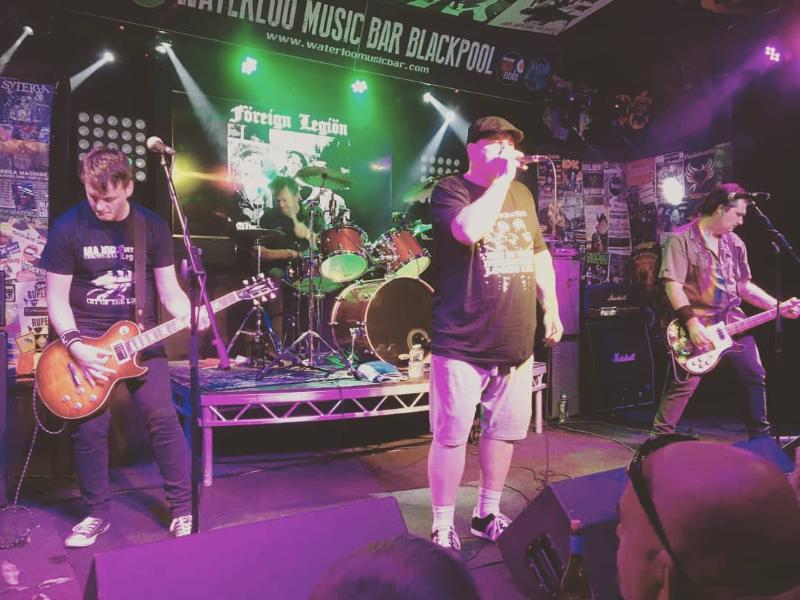
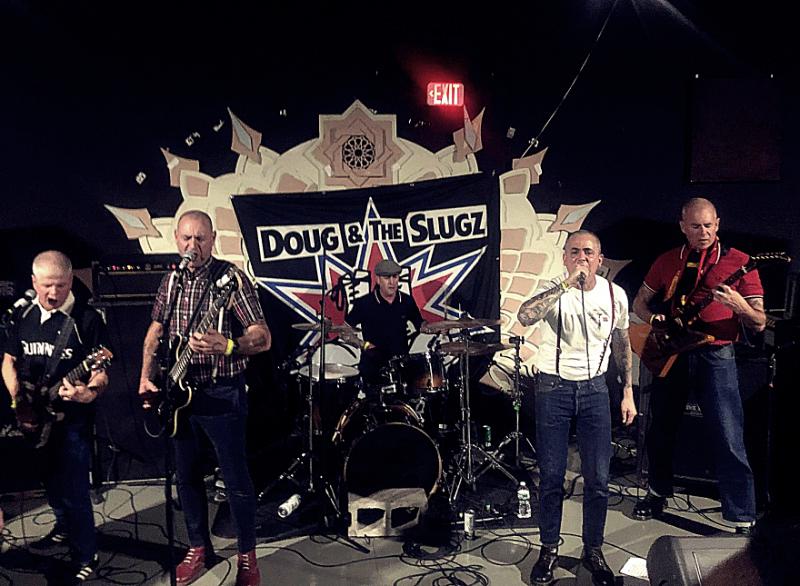
Today the band are still going strong with Gal (vox), Clyde Ward (lead guitar), Phil McDermott (rhythm guitar), Paul Mummery (drums), JC Cruttwell (bass), and Wattsie Watts… (backing vox).
Although they are a party band, the Gonads also address serious issues such as the death of Ian Tomlinson and individual liberties.
Crowd favourite songs include Grant Mitchell, Infected and Buy Me A Drink You Bastard.
Viberate is a music analytics platform built for A&Rs, artist managers, labels, booking agents, marketers, and artists.
It helps music professionals track artist growth, analyze audience data, monitor playlist activity, compare artists, follow song performance, and identify opportunities across the music market.
Public artist pages provide a free preview of selected artist data. Paid plans provide access to deeper analytics, historical data, charts, comparisons, playlist tools, exports, alerts, reports, and additional professional features.
Yes. Public Viberate artist pages provide selected artist analytics and music data for free.
Viberate also offers a 7-day free trial of the full platform. A credit card is required to start the trial. The trial includes access to the complete product so users can test deeper artist analytics, historical views, playlist insights, comparisons, charts, exports, alerts, and reporting features before choosing a paid plan.
Viberate provides artist analytics across streaming, playlists, social media, video, radio airplay, songs, and audience markets.
Users can analyze Spotify performance, Spotify and Apple Music playlists, YouTube activity, TikTok and Instagram growth, radio spins, song performance, audience locations, demographics, rankings, and overall artist momentum.
Artist profiles also connect to music charts, similar artists, and comparison tools, helping users benchmark performance and evaluate artists in context.
Viberate updates key artist and track data daily.
For followed artists and tracks, selected data is refreshed multiple times per day. This helps teams monitor playlist changes, streaming movement, audience growth, releases, and campaign performance with more current data.
Update frequency can vary depending on the metric and data source.
Yes. Viberate lets users compare up to five artists side by side across streaming, social media, audience, and engagement metrics.
Users can compare fanbase growth, audience demographics, locations, Spotify performance, social metrics, and other artist data over selected time periods.
Artist comparison can be used for A&R scouting, benchmarking, booking decisions, campaign planning, and evaluating artists with similar audiences or market positions.