The Ghouls

Rock
Pop Rock
 Viberate Rank: 264964
 Viberate Rank: 264964
 Monthly ListenersFollowers
 Subscribers
 Followers
 Followers
 FansTop Spotify Songs
| Track | 7-Day Streams | |
|---|---|---|
1 | 755 | |
2 | 521 | |
3 | 329 | |
4 | 327 | |
5 | 222 |
Top YouTube VideosMonthly ListenersFeatured in Playlists| Playlist | Followers | |
|---|---|---|
1 |  Halloween Vintage 50s 60s Fernando Crow | 21.01K |
2 |  Classic Halloween Songs 🎃 Holiday Spirit Productions | 19.06K |
3 | Old Spooks 🎃 Vintage Halloween Hayley Parker | 12.53K |
4 |  Halloween honeybadger4 | 12.11K |
5 |  Fall midwest cornfield core Ryan Kachnowski | 11.35K |
Audience| City | Monthly Listeners | |
|---|---|---|
1 | | 1.96K |
2 | | 1.79K |
3 | | 1.17K |
4 | | 1.04K |
5 | | 981 |
See full performance history, audience data, playlist activity, rankings, comparisons, and more in Viberate music analytics. Start with a free trial, then continue with a paid plan.
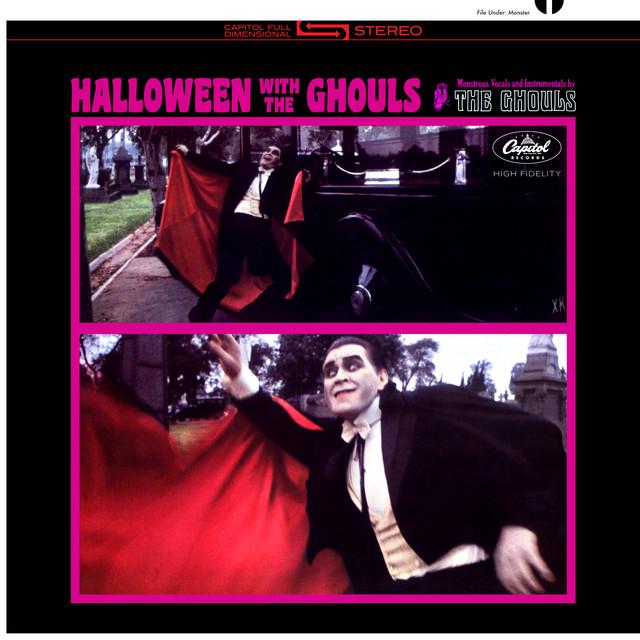
The Ghouls’ Spotify BioThe Ghouls were an in-studio-only creation of writer and producer Gary Usher, designed to cash in on two current crazes in 1964, hot rod tunes and campy monster movies. Bobby "Boris" Pickett had just hit big with "Monster Mash," so Usher -- who had tremendous success stamping out Beach Boys-like hot rod tracks -- decided to combine the two genres in one package, and the Ghouls were born. Officially one album, Dracula's Deuce, was issued on Capitol in 1964. Among the veteran L.A. session players Usher used on the project were Rick Burns, Chuck Girard, Joe Kelly and Richard Podolor, with Burns providing most of the lead vocals. Goofy and offbeat, the album is mostly a historical curio, but its cartoonish veneer, with songs like "Little Old Lady From Transylvania" and "Be True to Your Ghoul," gives it a special and loopy appeal. ~ Steve Leggett, Rovi
Viberate is a music analytics platform built for A&Rs, artist managers, labels, booking agents, marketers, and artists.
It helps music professionals track artist growth, analyze audience data, monitor playlist activity, compare artists, follow song performance, and identify opportunities across the music market.
Public artist pages provide a free preview of selected artist data. Paid plans provide access to deeper analytics, historical data, charts, comparisons, playlist tools, exports, alerts, reports, and additional professional features.
Yes. Public Viberate artist pages provide selected artist analytics and music data for free.
Viberate also offers a 7-day free trial of the full platform. A credit card is required to start the trial. The trial includes access to the complete product so users can test deeper artist analytics, historical views, playlist insights, comparisons, charts, exports, alerts, and reporting features before choosing a paid plan.
Viberate provides artist analytics across streaming, playlists, social media, video, radio airplay, songs, and audience markets.
Users can analyze Spotify performance, Spotify and Apple Music playlists, YouTube activity, TikTok and Instagram growth, radio spins, song performance, audience locations, demographics, rankings, and overall artist momentum.
Artist profiles also connect to music charts, similar artists, and comparison tools, helping users benchmark performance and evaluate artists in context.
Viberate updates key artist and track data daily.
For followed artists and tracks, selected data is refreshed multiple times per day. This helps teams monitor playlist changes, streaming movement, audience growth, releases, and campaign performance with more current data.
Update frequency can vary depending on the metric and data source.
Yes. Viberate lets users compare up to five artists side by side across streaming, social media, audience, and engagement metrics.
Users can compare fanbase growth, audience demographics, locations, Spotify performance, social metrics, and other artist data over selected time periods.
Artist comparison can be used for A&R scouting, benchmarking, booking decisions, campaign planning, and evaluating artists with similar audiences or market positions.