The Generators

Punk
Punk Rock
Pop Punk
 Viberate Rank: 274912
 Viberate Rank: 274912
 Monthly ListenersFollowers
 Subscribers
 Followers
 Followers
 FansTop Spotify Songs
| Track | 7-Day Streams | |
|---|---|---|
1 | 507 | |
2 | 503 | |
3 | 416 | |
4 | 258 | |
5 | 234 |
Top YouTube VideosMonthly ListenersFeatured in Playlists| Playlist | Followers | |
|---|---|---|
1 |  The Evolution of Punk (In Chronological Order) kingfirley | 16.18K |
2 | Oi! & Punk 1500 songs Ollebolle | 15.32K |
3 |  Behind The Wall Daniel Wall | 4.98K |
4 | Fat Music for Fat People Sergi Calzada Baños | 3.46K |
5 |  WRECKFEST Soundtrack - Metal & Rock Moinzon | 3.43K |
Audience| City | Monthly Listeners | |
|---|---|---|
1 |  | 170 |
2 | | 158 |
3 | | 142 |
4 | | 140 |
5 | | 98 |
See full performance history, audience data, playlist activity, rankings, comparisons, and more in Viberate music analytics. Start with a free trial, then continue with a paid plan.
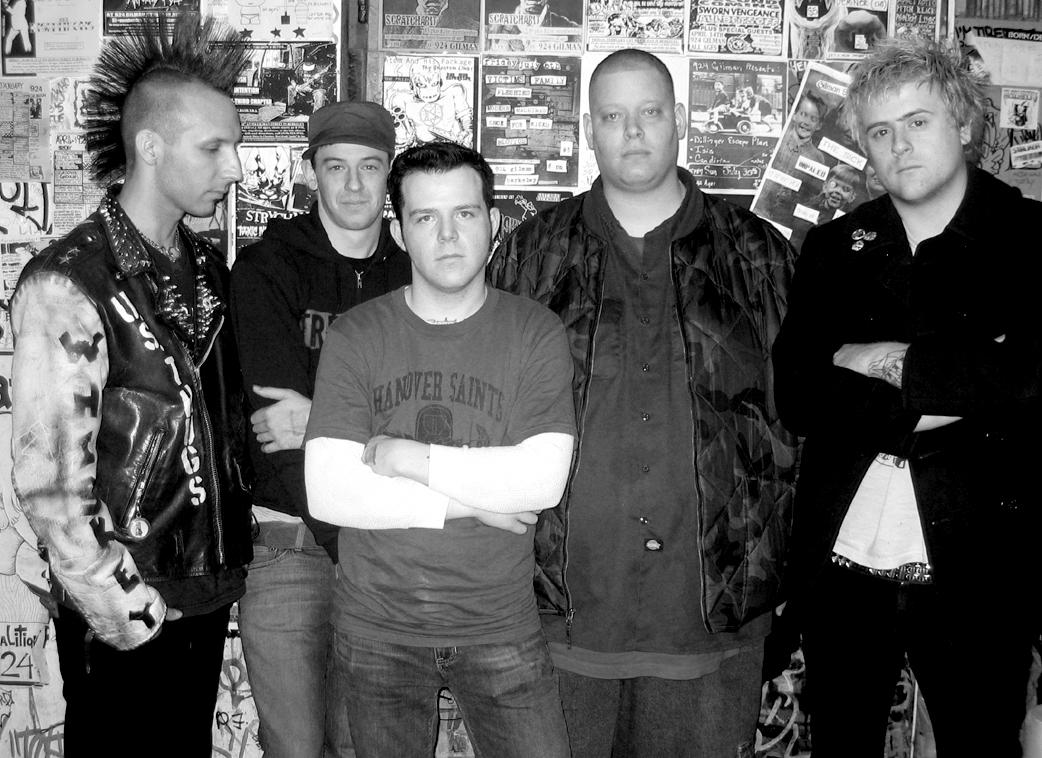
The Generators’ Spotify BioThe origin of Los Angeles’ influential punk band The Generators dates back to 1997, just a few miles from the skyscrapers of downtown. In the early days, the band hung out and wrote music in an old vacant pizza oven factory, churning out their first batch of songs, which echoed the sentiments of the 1977 Punk spirit. They quickly got attention from the owners of the infamous Triple X Records, who were known best for their 1980’s roster that included Social Distortion, The Vandals, GBH and Jane’s Addiction. Without haste, the indie punk label put The Generators into the recording studio where they produced their first album ironically titled Welcome To The End.
Vocalist Doug Kane and guitarist Mike Snow’s friendship goes way back to their early teens, growing up in Pasadena, CA. They both played in bands during Los Angeles’ early punk explosion and would share the same stages at punk dives around town. In 1983, Kane fronted one of America’s very first Oi! punk bands, Doug & The… Slugz, while Snow played guitar for one of California’s foremost Mod revival bands The Way.
Now, 20 years since the days of making punk songs in the old pizza oven factory, The Generators still carry on strong. In 2018, the band will release their 12th full-length album titled "Broken Stars & Crooked Stripes" on their record label Randale Records. They’ll also be barnstorming across North America and are already confirmed for large festivals dates and a tour throughout Europe this summer.
Viberate is a music analytics platform built for A&Rs, artist managers, labels, booking agents, marketers, and artists.
It helps music professionals track artist growth, analyze audience data, monitor playlist activity, compare artists, follow song performance, and identify opportunities across the music market.
Public artist pages provide a free preview of selected artist data. Paid plans provide access to deeper analytics, historical data, charts, comparisons, playlist tools, exports, alerts, reports, and additional professional features.
Yes. Public Viberate artist pages provide selected artist analytics and music data for free.
Viberate also offers a 7-day free trial of the full platform. A credit card is required to start the trial. The trial includes access to the complete product so users can test deeper artist analytics, historical views, playlist insights, comparisons, charts, exports, alerts, and reporting features before choosing a paid plan.
Viberate provides artist analytics across streaming, playlists, social media, video, radio airplay, songs, and audience markets.
Users can analyze Spotify performance, Spotify and Apple Music playlists, YouTube activity, TikTok and Instagram growth, radio spins, song performance, audience locations, demographics, rankings, and overall artist momentum.
Artist profiles also connect to music charts, similar artists, and comparison tools, helping users benchmark performance and evaluate artists in context.
Viberate updates key artist and track data daily.
For followed artists and tracks, selected data is refreshed multiple times per day. This helps teams monitor playlist changes, streaming movement, audience growth, releases, and campaign performance with more current data.
Update frequency can vary depending on the metric and data source.
Yes. Viberate lets users compare up to five artists side by side across streaming, social media, audience, and engagement metrics.
Users can compare fanbase growth, audience demographics, locations, Spotify performance, social metrics, and other artist data over selected time periods.
Artist comparison can be used for A&R scouting, benchmarking, booking decisions, campaign planning, and evaluating artists with similar audiences or market positions.