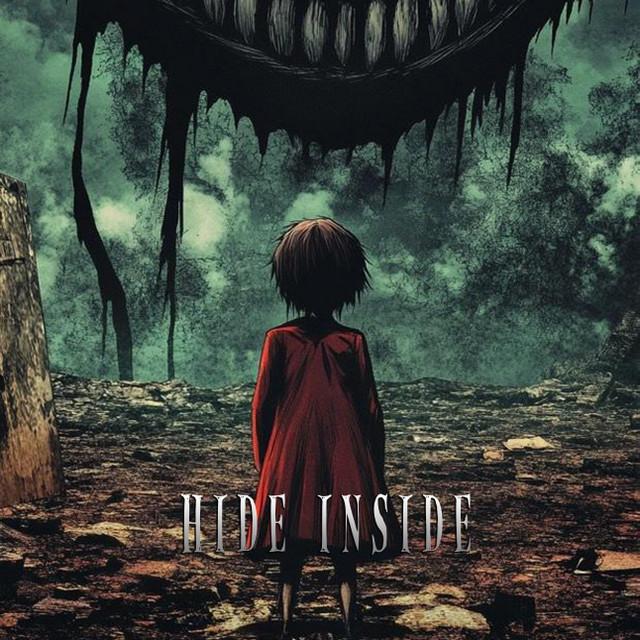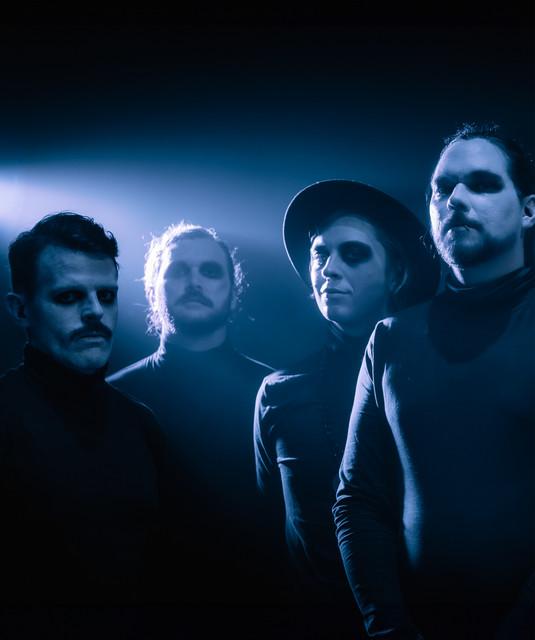
The Fright

Metal
Gothic Metal
Psychobilly
 Viberate Rank: 263741
 Viberate Rank: 263741
 Monthly ListenersFollowers
 Subscribers
 Followers
 Followers
 FansTop Spotify Songs
| Track | 7-Day Streams | |
|---|---|---|
1 | 544 | |
2 | 260 | |
3 | 259 | |
4 | 258 | |
5 | 242 |
Top YouTube VideosMonthly ListenersFeatured in Playlists| Playlist | Followers | |
|---|---|---|
1 |  Goth - Gloom & Bloom Dreamfuss | 8.98K |
2 | Gothic rock | Deathrock | Postpunk | Darkwave by DARKLARK darklark | 8.42K |
3 |  Wacken Open Air 2018 Wacken Open Air | 8.10K |
4 | Horror punk Skitenhjelm | 5.96K |
5 |  Gothic Club Party Tennrich | 3.92K |
Audience| City | Monthly Listeners | |
|---|---|---|
1 | | 124 |
2 | | 90 |
3 | | 62 |
4 | | 57 |
5 |  | 43 |
See full performance history, audience data, playlist activity, rankings, comparisons, and more in Viberate music analytics. Start with a free trial, then continue with a paid plan.
The Fright’s Spotify BioD.E.A.T.H. is not an ending. It is a conscious pause.
With their latest EP D.E.A.T.H. (2026), The Fright marks a decisive moment of recalibration. After years of evolving through Horrorpunk, Glam, and Dark Rock, the band strips away the disguises to reveal their true core: Melancholy, darkness, and raw Rock’n’Roll energy.
This release is a rejection of the polished, safe sounds of modern "Dark Schlager." Instead, The Fright delivers a sound that is confrontational yet calm—exploring grief, loss, and the permanent presence of the inevitable. From the driving urgency of the title track to the quiet resignation of "Hollow Eyes," this is the sound of a band that has stopped searching and started arriving.
The Fright stands as a counter-current within the Gothic scene: belonging through seriousness, not conformity. The reset is here
The Fright have walked the line between shadow and melody for over two decades. Emerging from the dark heart of Germany’s Gothic Rock scene, the band blends… haunting melancholy with the pulse of modern heaviness — a sound echoing The Cult, Type O Negative, and Unto Others.
Viberate is a music analytics platform built for A&Rs, artist managers, labels, booking agents, marketers, and artists.
It helps music professionals track artist growth, analyze audience data, monitor playlist activity, compare artists, follow song performance, and identify opportunities across the music market.
Public artist pages provide a free preview of selected artist data. Paid plans provide access to deeper analytics, historical data, charts, comparisons, playlist tools, exports, alerts, reports, and additional professional features.
Yes. Public Viberate artist pages provide selected artist analytics and music data for free.
Viberate also offers a 7-day free trial of the full platform. A credit card is required to start the trial. The trial includes access to the complete product so users can test deeper artist analytics, historical views, playlist insights, comparisons, charts, exports, alerts, and reporting features before choosing a paid plan.
Viberate provides artist analytics across streaming, playlists, social media, video, radio airplay, songs, and audience markets.
Users can analyze Spotify performance, Spotify and Apple Music playlists, YouTube activity, TikTok and Instagram growth, radio spins, song performance, audience locations, demographics, rankings, and overall artist momentum.
Artist profiles also connect to music charts, similar artists, and comparison tools, helping users benchmark performance and evaluate artists in context.
Viberate updates key artist and track data daily.
For followed artists and tracks, selected data is refreshed multiple times per day. This helps teams monitor playlist changes, streaming movement, audience growth, releases, and campaign performance with more current data.
Update frequency can vary depending on the metric and data source.
Yes. Viberate lets users compare up to five artists side by side across streaming, social media, audience, and engagement metrics.
Users can compare fanbase growth, audience demographics, locations, Spotify performance, social metrics, and other artist data over selected time periods.
Artist comparison can be used for A&R scouting, benchmarking, booking decisions, campaign planning, and evaluating artists with similar audiences or market positions.