The Frantics

Rock
Alternative Rock
Indie Rock
 Viberate Rank: 243605
 Viberate Rank: 243605
 Monthly ListenersFollowers
 Subscribers
 Followers
 Followers
 FansTop Spotify Songs
| Track | 7-Day Streams | |
|---|---|---|
1 | 710 | |
2 | 710 | |
3 | 148 | |
4 | 121 | |
5 | 31 |
Top YouTube VideosMonthly ListenersFeatured in Playlists| Playlist | Followers | |
|---|---|---|
1 |  Living In My Headphones James Lavelle (UNKLE) | 16.04K |
2 |  Old, Vintage & Classic Halloween Songs Birgitta Bellman | 14.97K |
3 |  Dr Demento Favorites Cade Benoit | 14.83K |
4 |  Rockabilly Peter Karlsson | 13.32K |
5 |  Halloween honeybadger4 | 12.12K |
Audience| City | Monthly Listeners | |
|---|---|---|
1 |  | 445 |
2 | | 320 |
3 | | 275 |
4 | | 201 |
5 | | 200 |
See full performance history, audience data, playlist activity, rankings, comparisons, and more in Viberate music analytics. Start with a free trial, then continue with a paid plan.
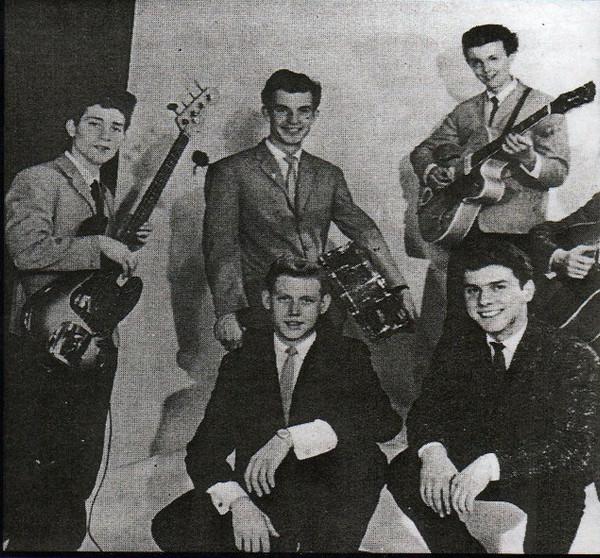
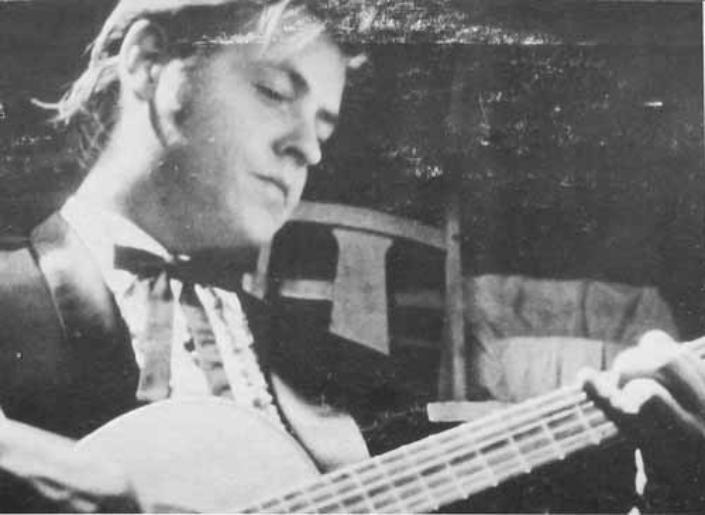
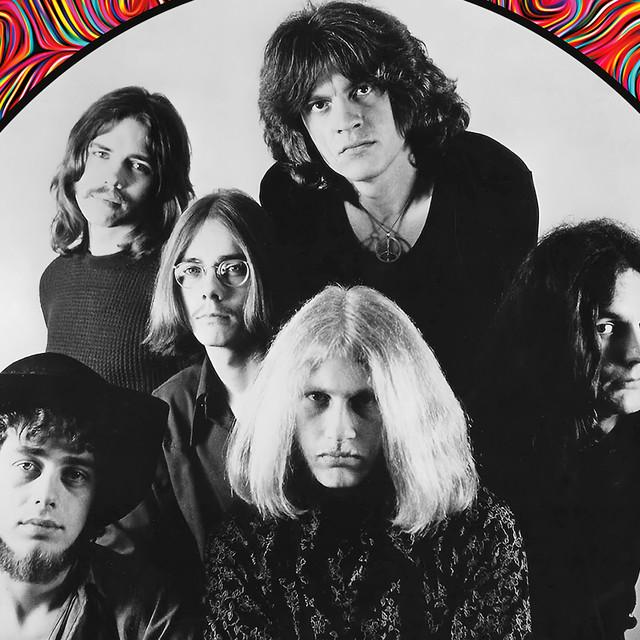
The Frantics’ Spotify BioFormed in 1965 in Billings, Montana, the Frantics were a sextet who drew their influences from Jeff Beck, Jimmy Page, and, later, Jim Morrison (note the Lizard Records imprint for their second album). They were a little on the heavy side in terms of their musical approach, and were ambitious -- they played throughout the United States and relocated several times, to New Mexico and then to Colorado Springs, Colorado, before settling in Los Angeles in 1969. The group released a pair of singles, "La Do Da Da" b/w "Route 66" and "Midnight to Six Man" b/w "Shady Sam." They also cut two albums, Relax Your Mind, which dated from 1968 and was unreleased until the '90s, and a second album, Conception, late in their history. At around that same time, they dropped the "s" from their name and worked as the Frantic. ~ Bruce Eder, Rovi
Viberate is a music analytics platform built for A&Rs, artist managers, labels, booking agents, marketers, and artists.
It helps music professionals track artist growth, analyze audience data, monitor playlist activity, compare artists, follow song performance, and identify opportunities across the music market.
Public artist pages provide a free preview of selected artist data. Paid plans provide access to deeper analytics, historical data, charts, comparisons, playlist tools, exports, alerts, reports, and additional professional features.
Yes. Public Viberate artist pages provide selected artist analytics and music data for free.
Viberate also offers a 7-day free trial of the full platform. A credit card is required to start the trial. The trial includes access to the complete product so users can test deeper artist analytics, historical views, playlist insights, comparisons, charts, exports, alerts, and reporting features before choosing a paid plan.
Viberate provides artist analytics across streaming, playlists, social media, video, radio airplay, songs, and audience markets.
Users can analyze Spotify performance, Spotify and Apple Music playlists, YouTube activity, TikTok and Instagram growth, radio spins, song performance, audience locations, demographics, rankings, and overall artist momentum.
Artist profiles also connect to music charts, similar artists, and comparison tools, helping users benchmark performance and evaluate artists in context.
Viberate updates key artist and track data daily.
For followed artists and tracks, selected data is refreshed multiple times per day. This helps teams monitor playlist changes, streaming movement, audience growth, releases, and campaign performance with more current data.
Update frequency can vary depending on the metric and data source.
Yes. Viberate lets users compare up to five artists side by side across streaming, social media, audience, and engagement metrics.
Users can compare fanbase growth, audience demographics, locations, Spotify performance, social metrics, and other artist data over selected time periods.
Artist comparison can be used for A&R scouting, benchmarking, booking decisions, campaign planning, and evaluating artists with similar audiences or market positions.