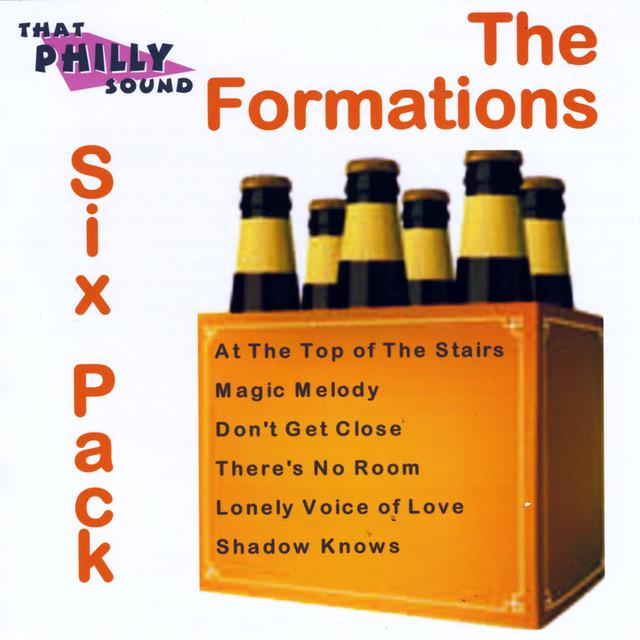
The Formations

R&B
Soul
Contemporary R&B
 Viberate Rank: 383881
 Viberate Rank: 383881
 Monthly ListenersFollowers
 Subscribers
 Followers
 Followers
 FansTop Spotify Songs
| Track | 7-Day Streams | |
|---|---|---|
1 | 3.17K | |
2 | 17 | |
3 | 17 | |
4 | 11 | |
5 | 11 |
Top YouTube VideosMonthly ListenersFeatured in Playlists| Playlist | Followers | |
|---|---|---|
1 |  Northern Soul - The Best 100 tunes ever! Mike Steed | 49.56K |
2 |  Northern Soul ajmcdonald007 | 14.67K |
3 | Motown, Classic R&B & lost Soul Hits Maggie King | 4.29K |
4 | Underground and Rare Oldies/various artists Gracie Gomez | 2.19K |
5 | Nothern Soul 11146906496 | 2.13K |
Audience| City | Monthly Listeners | |
|---|---|---|
1 | | 557 |
2 | | 492 |
3 | | 243 |
4 | | 103 |
5 | | 100 |
See full performance history, audience data, playlist activity, rankings, comparisons, and more in Viberate music analytics. Start with a free trial, then continue with a paid plan.
The Formations’ Spotify BioBest known for their Northern soul classic "At the Top of the Stairs," the Formations formed in Philadelphia in 1966. Comprised of Victor Drayton, Jerry Akins, Ernie Brooks, Reginald Turner, and Johnny Bellman, the group made its recorded debut as backing vocalists on the Coed label single "Sad Illusion," credited to Margie & the Formations. "At the Top of the Stairs" followed on Bank in 1967 -- written by Akins and soon-to-be-legendary composer/producer Leon Huff, the single boasted almost Baroque flourishes on top of its gorgeous harmonies and driving beat, anticipating the lush, shimmering Philly soul sound Huff and partner Kenny Gamble would perfect in the decade to follow. "At the Top of the Stairs" proved a local smash and was licensed to MGM for national release in 1968 -- it was not a hit, however, although a U.K. re-release in 1970 cracked the British Top 30.
Later in 1968, the Formations recorded two more MGM singles -- "Love's Not Only for the Heart" and "Don't Get Close" --… which followed a similar musical formula and met a similar commercial fate. After three consecutive singles failed at national radio, the group abandoned the Formations name, with the same five original members rechristening themselves the Corner Boys to release 1969's "Gang War (Don't Make No Sense)" on the Neptune label. After another name change, this time to the Silent Majority, the group signed to the Holland-Dozier-Holland production team's Hot Wax label for 1970's "Frightened Girl," followed a year later by "Colors of My Love." After "Good News," a one-off single for the tiny Detroit Star label, the Silent Majority agreed to give it one more go, this time as Hot Ice -- 1972's "Isn't It Lonely" landed the group a contract with Atlantic Records, for which they cut a pair of 1974 singles, "Streakin' and Freakin'" and "Boogie Joogie," before finally dissolving. ~ Jason Ankeny, Rovi
Viberate is a music analytics platform built for A&Rs, artist managers, labels, booking agents, marketers, and artists.
It helps music professionals track artist growth, analyze audience data, monitor playlist activity, compare artists, follow song performance, and identify opportunities across the music market.
Public artist pages provide a free preview of selected artist data. Paid plans provide access to deeper analytics, historical data, charts, comparisons, playlist tools, exports, alerts, reports, and additional professional features.
Yes. Public Viberate artist pages provide selected artist analytics and music data for free.
Viberate also offers a 7-day free trial of the full platform. A credit card is required to start the trial. The trial includes access to the complete product so users can test deeper artist analytics, historical views, playlist insights, comparisons, charts, exports, alerts, and reporting features before choosing a paid plan.
Viberate provides artist analytics across streaming, playlists, social media, video, radio airplay, songs, and audience markets.
Users can analyze Spotify performance, Spotify and Apple Music playlists, YouTube activity, TikTok and Instagram growth, radio spins, song performance, audience locations, demographics, rankings, and overall artist momentum.
Artist profiles also connect to music charts, similar artists, and comparison tools, helping users benchmark performance and evaluate artists in context.
Viberate updates key artist and track data daily.
For followed artists and tracks, selected data is refreshed multiple times per day. This helps teams monitor playlist changes, streaming movement, audience growth, releases, and campaign performance with more current data.
Update frequency can vary depending on the metric and data source.
Yes. Viberate lets users compare up to five artists side by side across streaming, social media, audience, and engagement metrics.
Users can compare fanbase growth, audience demographics, locations, Spotify performance, social metrics, and other artist data over selected time periods.
Artist comparison can be used for A&R scouting, benchmarking, booking decisions, campaign planning, and evaluating artists with similar audiences or market positions.