The Forest Effect

Rock
Indie Rock
 Viberate Rank: 797074
 Viberate Rank: 797074
 Monthly ListenersFollowers
 Subscribers
 Followers
 Followers
 FansTop Spotify Songs
| Track | 7-Day Streams | |
|---|---|---|
1 | 11 | |
2 | 7 | |
3 | 6 | |
4 | 6 | |
5 | 2 |
Top YouTube Videos| Video | 7-Day Views | |
|---|---|---|
1 | 4 | |
2 | 3 | |
3 | 1 | |
4 | 1 | |
5 | 1 |
Monthly ListenersFeatured in Playlists| Playlist | Followers | |
|---|---|---|
1 |  92.5 The River tap | 1.42K |
Audience| City | Monthly Listeners | |
|---|---|---|
1 | | 3 |
See full performance history, audience data, playlist activity, rankings, comparisons, and more in Viberate music analytics. Start with a free trial, then continue with a paid plan.
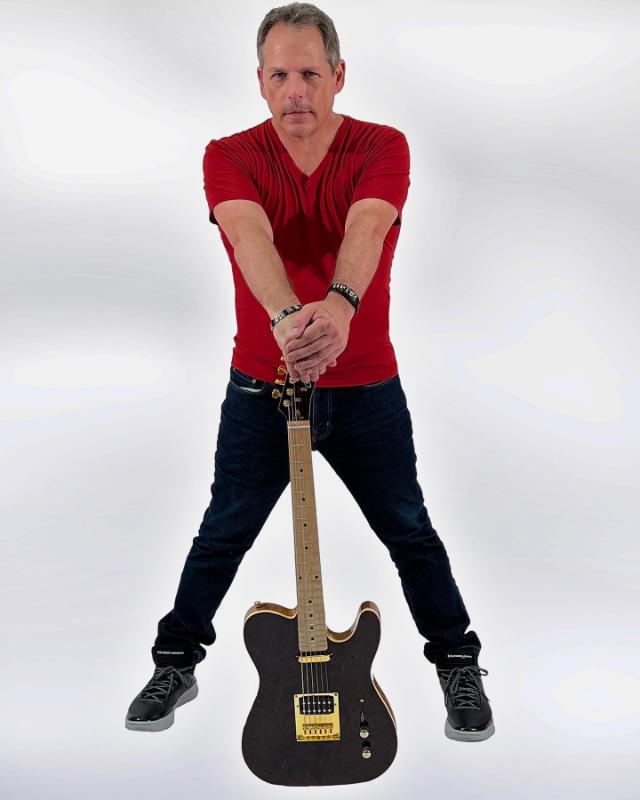
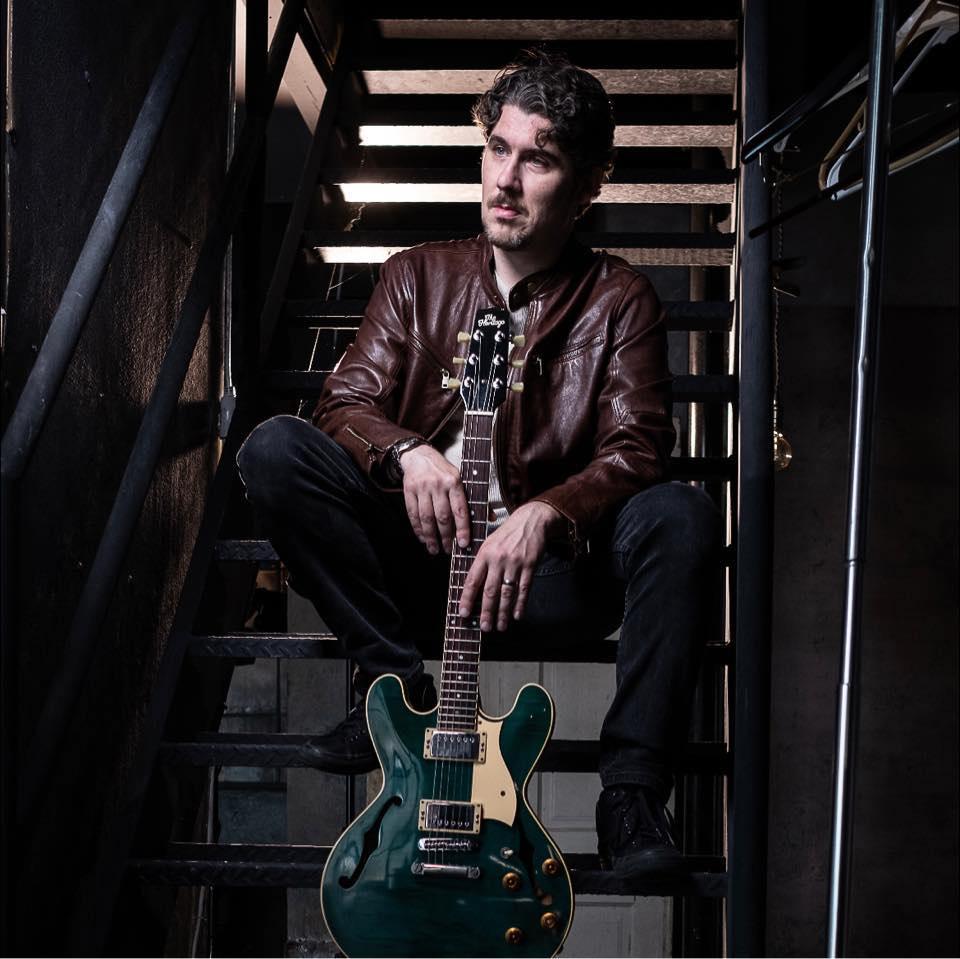
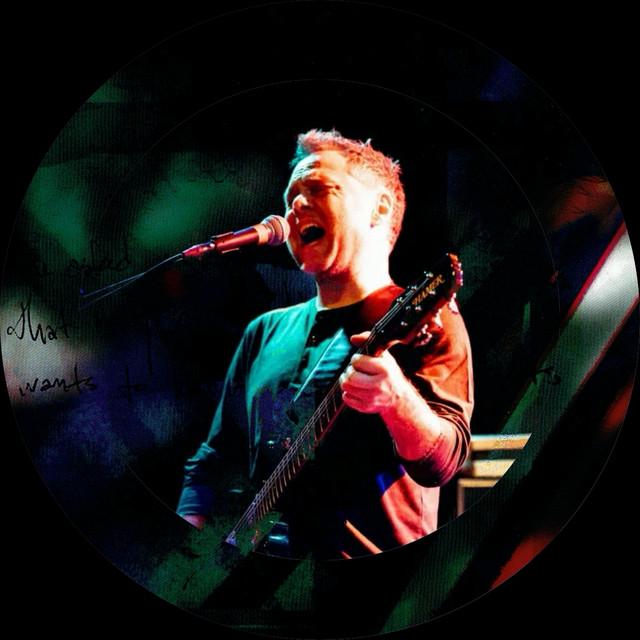
The Forest Effect’s Spotify BioThe power of visualization looms large in the imaginative compositional mind of The Forest Effect’s primary songwriter, Elliot Page. The evocative and viscerally dynamic indie-rock artist looks to its band name as a conceptual beacon for songwriting and arranging. “I try to use both light and dark tones, like capturing the way the late-afternoon light filters through the layers of the forest,” says the Boston-based singer, guitarist, and educator.
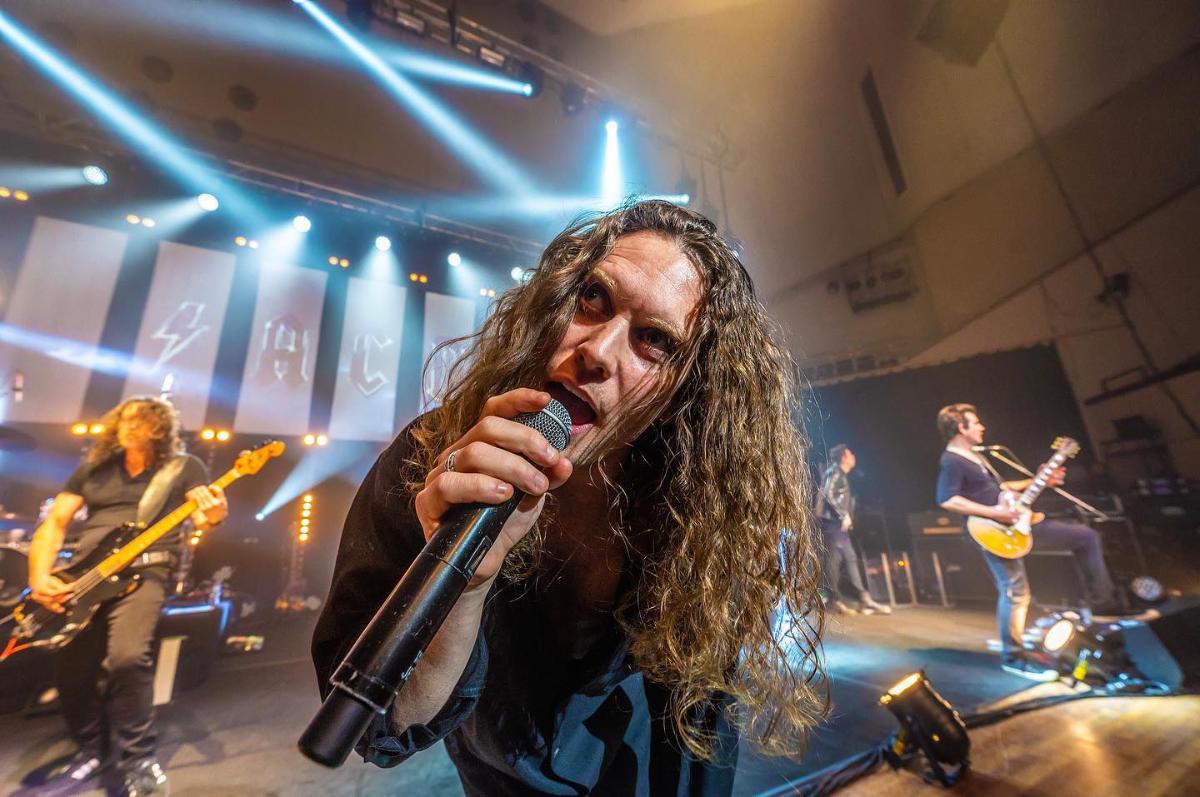
The band—fronted by Elliot with a fluid membership of trusted musicians, including his right-hand man, keyboardist Ben Kuris—specializes in a modern version of stately classic rock with scene-setting lyrics, imaginative arrangements, virtuosic musicianship, and unforgettable hooks. They’ve been described as “if the guys from Dismemberment Plan met up at Wilco‘s loft to play some Pink Floyd and The Black Crowes covers.
The Forest Effect’s third EP, My Fractured Display, conjures the “light and shade” of the bold acoustic explorations on Led… Zeppelin III through a modern lens. The band’s prior EPs—2017’s Photos on the Shelf EP and 2019’s Melody Left in Ruin—are darkly majestic, brimming with brawny alt rock-riffage and postmodern constructs. With its acoustic guitar and piano-driven sensibilities, My Fractured Display (2022) is a more accessible distillation of the band’s light/dark dichotomy. This latest EP—like the prior releases—is self-produced and mixed by tastemaking engineer Paul Q Kolderie (Radiohead, The Cure).
Viberate is a music analytics platform built for A&Rs, artist managers, labels, booking agents, marketers, and artists.
It helps music professionals track artist growth, analyze audience data, monitor playlist activity, compare artists, follow song performance, and identify opportunities across the music market.
Public artist pages provide a free preview of selected artist data. Paid plans provide access to deeper analytics, historical data, charts, comparisons, playlist tools, exports, alerts, reports, and additional professional features.
Yes. Public Viberate artist pages provide selected artist analytics and music data for free.
Viberate also offers a 7-day free trial of the full platform. A credit card is required to start the trial. The trial includes access to the complete product so users can test deeper artist analytics, historical views, playlist insights, comparisons, charts, exports, alerts, and reporting features before choosing a paid plan.
Viberate provides artist analytics across streaming, playlists, social media, video, radio airplay, songs, and audience markets.
Users can analyze Spotify performance, Spotify and Apple Music playlists, YouTube activity, TikTok and Instagram growth, radio spins, song performance, audience locations, demographics, rankings, and overall artist momentum.
Artist profiles also connect to music charts, similar artists, and comparison tools, helping users benchmark performance and evaluate artists in context.
Viberate updates key artist and track data daily.
For followed artists and tracks, selected data is refreshed multiple times per day. This helps teams monitor playlist changes, streaming movement, audience growth, releases, and campaign performance with more current data.
Update frequency can vary depending on the metric and data source.
Yes. Viberate lets users compare up to five artists side by side across streaming, social media, audience, and engagement metrics.
Users can compare fanbase growth, audience demographics, locations, Spotify performance, social metrics, and other artist data over selected time periods.
Artist comparison can be used for A&R scouting, benchmarking, booking decisions, campaign planning, and evaluating artists with similar audiences or market positions.