The Flytraps

Rock
Alternative Rock
Funk
 Viberate Rank: 473972
 Viberate Rank: 473972
 Monthly ListenersFollowers
 Subscribers
 Followers
 Followers
 FansTop Spotify Songs
| Track | 7-Day Streams | |
|---|---|---|
1 | 21 | |
2 | 21 | |
3 | 20 | |
4 | 8 | |
5 | 8 |
Top YouTube VideosMonthly ListenersFeatured in Playlists| Playlist | Followers | |
|---|---|---|
1 |  Garage, Surf, Punk & Rock and Roll Die Windrose | 3.55K |
2 |  deep cuts // 666 ace | 1.48K |
3 |  🎄 Obscure Christmas 🎄 qaz23 | 1.41K |
Audience| City | Monthly Listeners | |
|---|---|---|
1 | | 6 |
2 | | 5 |
3 | | 4 |
4 | | 3 |
See full performance history, audience data, playlist activity, rankings, comparisons, and more in Viberate music analytics. Start with a free trial, then continue with a paid plan.
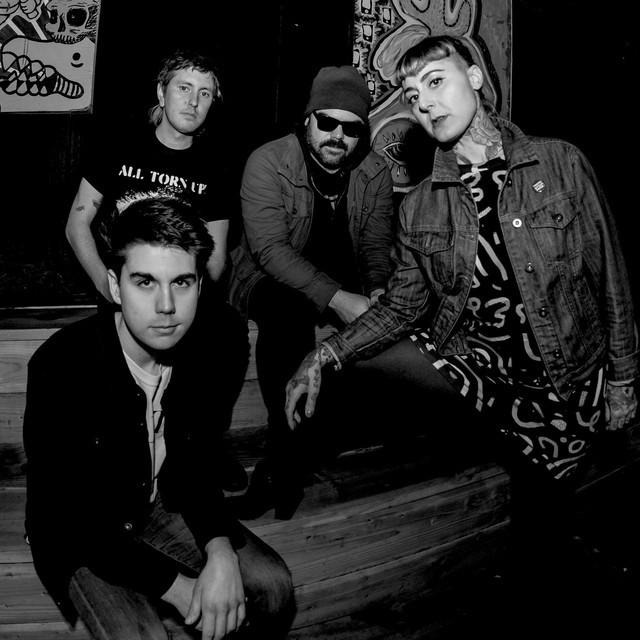
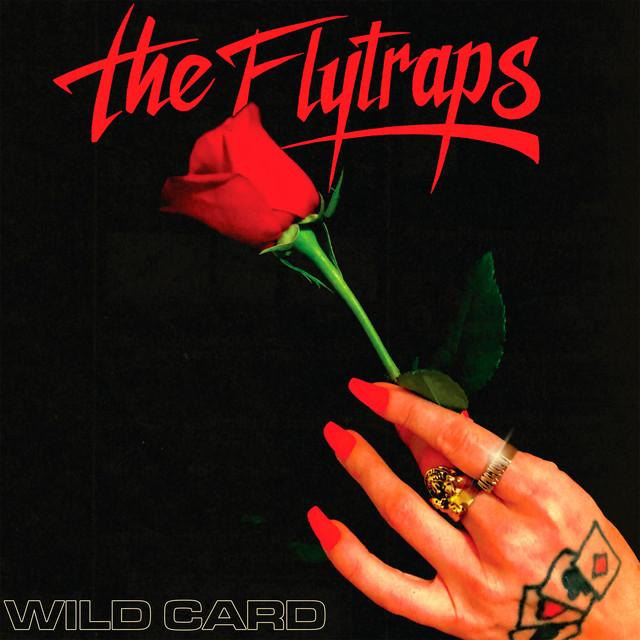
The Flytraps’ Spotify BioA raw and raucous female-dominated band (with a male accomplice), the Flytraps make hard-driving music with the sneering attitude and fifth-gear pace of old-school punk, the melodic and lyrical sensibilities of garage rock, and the beefy, overdriven attack of hard rock. Fronted by the gritty howl of singer and bassist Kristen Cooper and the crunchy guitar work of Beth Boyd, the Flytraps first emerged on the West Coast garage rock scene with that side of their sound up front on their debut cassette, 2013's She Freak, but by the time they issued their first proper album, 2020's Wild Card, the lineup had gone through some changes and their music gained plenty of force in the process.
The Flytraps formed in Orange County in 2010, and by the time they cut their debut cassette, 2013's She Freak, for the garage punk label Slop Bop, the all-female lineup comprised Beth Boyd and Marz Riesterer (aka Marz Beeuwsaert) on guitars, Kristen Cooper on bass, and Laura Kelsey on drums. While the band… played out steadily, it wasn't until 2017 that they recorded fresh material for their fans, with Outro Records issuing a three-song vinyl EP (with the songs "All Talk," "He's Been Around," and "Doin' It Right") and Volcom Entertainment delivering "Female of the Species" as part of their Digital Singles Club. By this time, Marz Riesterer and Laura Kelsey had left the band, and Chloe Z. Young signed on to play guitar, while Fabian Ruiz made the Flytraps a co-ed operation as drummer. In 2018, the hip West Coast label Burger Records took notice of the Flytraps, bringing out a four-song 12" EP, Sunset Strip R.I.P. Outro Records took another chance with the group in 2019 by releasing another single, with an original, "Kitten with a Whip" on the A-side and a cover of Rose Tattoo's "Nice Boys" on the flip, while later that year Burger issued the cassette-only compilation Bitches in Boots, which comprised single sides and unreleased takes. In March 2020, Burger and the Flytraps were in business together again with the release of their first proper album, Wild Card. ~ Mark Deming, Rovi
Viberate is a music analytics platform built for A&Rs, artist managers, labels, booking agents, marketers, and artists.
It helps music professionals track artist growth, analyze audience data, monitor playlist activity, compare artists, follow song performance, and identify opportunities across the music market.
Public artist pages provide a free preview of selected artist data. Paid plans provide access to deeper analytics, historical data, charts, comparisons, playlist tools, exports, alerts, reports, and additional professional features.
Yes. Public Viberate artist pages provide selected artist analytics and music data for free.
Viberate also offers a 7-day free trial of the full platform. A credit card is required to start the trial. The trial includes access to the complete product so users can test deeper artist analytics, historical views, playlist insights, comparisons, charts, exports, alerts, and reporting features before choosing a paid plan.
Viberate provides artist analytics across streaming, playlists, social media, video, radio airplay, songs, and audience markets.
Users can analyze Spotify performance, Spotify and Apple Music playlists, YouTube activity, TikTok and Instagram growth, radio spins, song performance, audience locations, demographics, rankings, and overall artist momentum.
Artist profiles also connect to music charts, similar artists, and comparison tools, helping users benchmark performance and evaluate artists in context.
Viberate updates key artist and track data daily.
For followed artists and tracks, selected data is refreshed multiple times per day. This helps teams monitor playlist changes, streaming movement, audience growth, releases, and campaign performance with more current data.
Update frequency can vary depending on the metric and data source.
Yes. Viberate lets users compare up to five artists side by side across streaming, social media, audience, and engagement metrics.
Users can compare fanbase growth, audience demographics, locations, Spotify performance, social metrics, and other artist data over selected time periods.
Artist comparison can be used for A&R scouting, benchmarking, booking decisions, campaign planning, and evaluating artists with similar audiences or market positions.