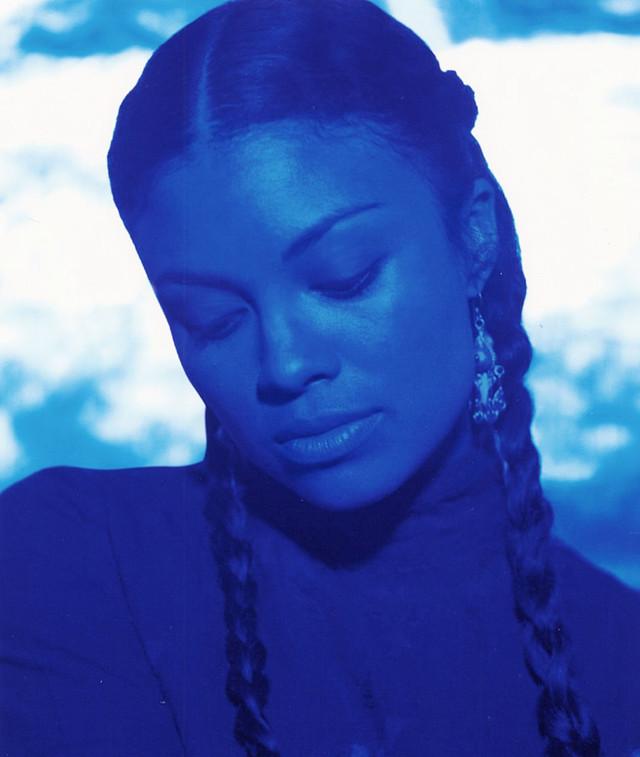
The Floacist

R&B
Neo Soul
 Viberate Rank: 121035
 Viberate Rank: 121035
 Monthly ListenersFollowers
 Subscribers
 Followers
 Followers
 FansTop Spotify Songs
| Track | 7-Day Streams | |
|---|---|---|
1 | 3.83K | |
2 | 1.87K | |
3 | 1.59K | |
4 | 1.47K | |
5 | 1.39K |
Top YouTube VideosMonthly ListenersFeatured in Playlists| Playlist | Followers | |
|---|---|---|
1 | Neo Soul Music David Credle | 28.33K |
2 |  This Is Raheem DeVaughn Spotify | 10.61K |
3 | Neo Soul / Love Vibes Javar Lee | 6.94K |
4 |  This Is Thandiswa Spotify | 6.49K |
5 | MOOD: New Beginnings TheBluesProject.co | 6.14K |
Audience| City | Monthly Listeners | |
|---|---|---|
1 | | 644 |
2 | | 609 |
3 |  | 596 |
4 |  | 589 |
5 | | 567 |
See full performance history, audience data, playlist activity, rankings, comparisons, and more in Viberate music analytics. Start with a free trial, then continue with a paid plan.
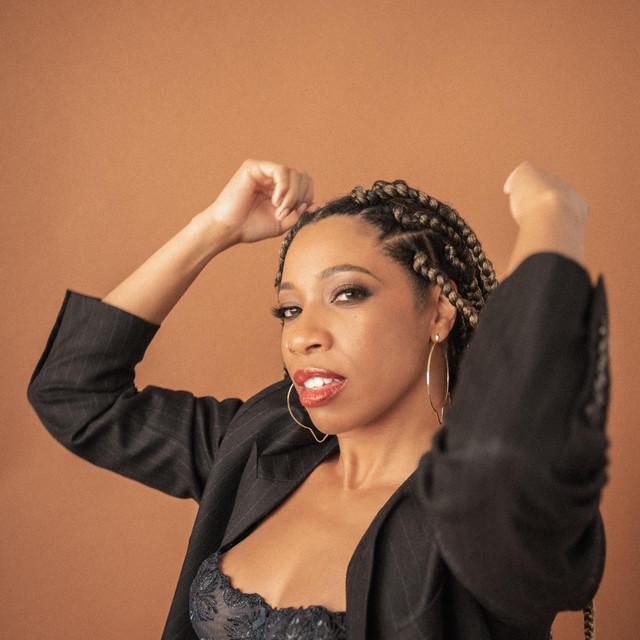
The Floacist’s Spotify BioAfter the 2007 split of R&B duo Floetry, spoken word artist and whisper-voiced vocalist Natalie Stewart -- aka the Floacist -- made a handful of guest appearances on recordings by other musicians, including Brian Culbertson's XII. She signed as a solo artist to the Shanachie label, which released her debut album, Floetic Soul, in November 2010. Dominated by seductive ballads featuring Stewart’s trademark breathy whispers, she benefited from collaborations with Musiq Soulchild, Raheem DeVaughn, and Lalah Hathaway, along with production input from J.R. Hutson, Know-I, and Chris "Big Dog" Davis. It scraped the Billboard 200 with a debut at number 195 and reached the Top 20 of the R&B albums chart. Almost exactly two years later, she released Floetry Re:Birth -- produced by her husband, Nolan Weekes -- for the same label. It topped out at number 51, R&B. Supported once again by Davis, among others, Stewart returned with Rise of the Phoenix Mermaid in March 2014. ~ Andy Kellman, Rovi
Viberate is a music analytics platform built for A&Rs, artist managers, labels, booking agents, marketers, and artists.
It helps music professionals track artist growth, analyze audience data, monitor playlist activity, compare artists, follow song performance, and identify opportunities across the music market.
Public artist pages provide a free preview of selected artist data. Paid plans provide access to deeper analytics, historical data, charts, comparisons, playlist tools, exports, alerts, reports, and additional professional features.
Yes. Public Viberate artist pages provide selected artist analytics and music data for free.
Viberate also offers a 7-day free trial of the full platform. A credit card is required to start the trial. The trial includes access to the complete product so users can test deeper artist analytics, historical views, playlist insights, comparisons, charts, exports, alerts, and reporting features before choosing a paid plan.
Viberate provides artist analytics across streaming, playlists, social media, video, radio airplay, songs, and audience markets.
Users can analyze Spotify performance, Spotify and Apple Music playlists, YouTube activity, TikTok and Instagram growth, radio spins, song performance, audience locations, demographics, rankings, and overall artist momentum.
Artist profiles also connect to music charts, similar artists, and comparison tools, helping users benchmark performance and evaluate artists in context.
Viberate updates key artist and track data daily.
For followed artists and tracks, selected data is refreshed multiple times per day. This helps teams monitor playlist changes, streaming movement, audience growth, releases, and campaign performance with more current data.
Update frequency can vary depending on the metric and data source.
Yes. Viberate lets users compare up to five artists side by side across streaming, social media, audience, and engagement metrics.
Users can compare fanbase growth, audience demographics, locations, Spotify performance, social metrics, and other artist data over selected time periods.
Artist comparison can be used for A&R scouting, benchmarking, booking decisions, campaign planning, and evaluating artists with similar audiences or market positions.