The Flat Stanleys

Rock
Indie Rock
Folk Rock
Punk Rock
 Viberate Rank: 41872
 Viberate Rank: 41872
 Monthly ListenersFollowers
 Subscribers
 Followers
 Followers
 FansTop Spotify Songs
| Track | 7-Day Streams | |
|---|---|---|
1 | 756.19K | |
2 | 173.70K | |
3 | 107.91K | |
4 | 65.06K | |
5 | 50.34K |
Top YouTube VideosMonthly ListenersFeatured in Playlists| Playlist | Followers | |
|---|---|---|
1 |  midwest emo essentials midwest.merky | 138.63K |
2 |  midwest emo bangers leigha | 80.35K |
3 | PEAK SONGSSSSSSSS DXTVYHD | 34.75K |
4 |  THE midwest emo playlist Hank😼 | 27.56K |
5 |  inspired by Amin.k.48 Ni-ilo 🏀🎧 | 24.98K |
Audience| City | Monthly Listeners | |
|---|---|---|
1 | | 15.02K |
2 | | 11.93K |
3 | | 9.64K |
4 | | 9.59K |
5 |  | 9.54K |
See full performance history, audience data, playlist activity, rankings, comparisons, and more in Viberate music analytics. Start with a free trial, then continue with a paid plan.
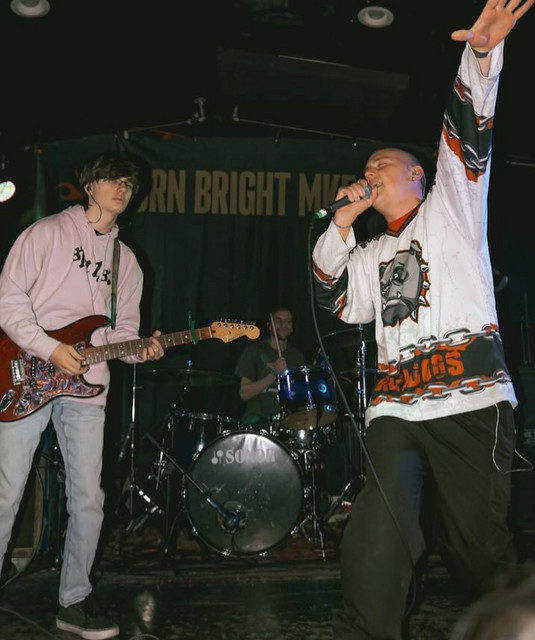
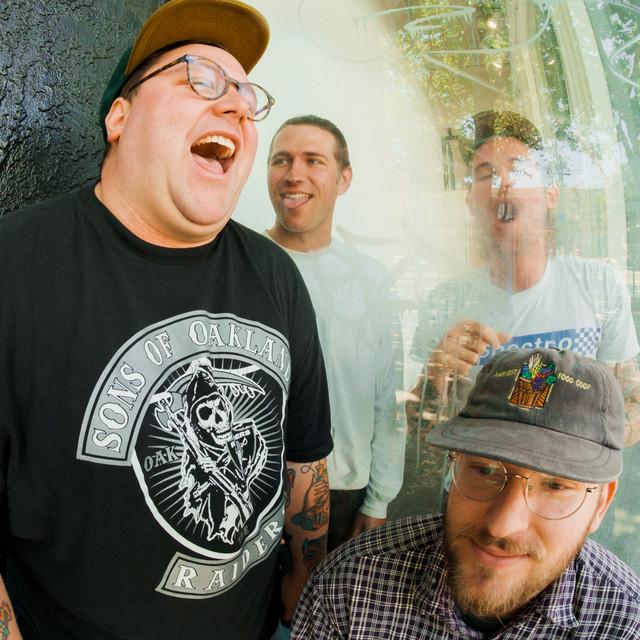
The Flat Stanleys’ Spotify BioThe Flat Stanleys began in June 2016 in Baltimore County, Maryland when singer/songwriter Brian Radin and dulcimerist Colin Lagator were bored during their last summer before starting college. They teamed up to write and perform their own brand of indie folk-punk, and the night before they left to start school, the two performed their first show for their friends and family in Brian's basement. At this point the two split ways, Brian to The New School, and Colin to Virginia Tech. October of 2016 brought TFS' first release, The Flat Stanleys, with a small, yet enthusiastic response. Flash forward to March 2017 when TFS were given the opportunity to record with Jacob Ewald, Brian and Colin decided to expand the group by inviting their friends Steven Richards, a friend from high school in Baltimore, to play bass, and Dustin Magidson, Brian's roommate from college, to play drums. The band, now complete, continued on to record their debut studio EP and third official release Dancing to Dad… Rock, later released July 2017 and followed by their first tour. Immediately after the tour in mid-August, they headed into Headroom Studios to record their debut full-length album with Joe Reinhart.
Viberate is a music analytics platform built for A&Rs, artist managers, labels, booking agents, marketers, and artists.
It helps music professionals track artist growth, analyze audience data, monitor playlist activity, compare artists, follow song performance, and identify opportunities across the music market.
Public artist pages provide a free preview of selected artist data. Paid plans provide access to deeper analytics, historical data, charts, comparisons, playlist tools, exports, alerts, reports, and additional professional features.
Yes. Public Viberate artist pages provide selected artist analytics and music data for free.
Viberate also offers a 7-day free trial of the full platform. A credit card is required to start the trial. The trial includes access to the complete product so users can test deeper artist analytics, historical views, playlist insights, comparisons, charts, exports, alerts, and reporting features before choosing a paid plan.
Viberate provides artist analytics across streaming, playlists, social media, video, radio airplay, songs, and audience markets.
Users can analyze Spotify performance, Spotify and Apple Music playlists, YouTube activity, TikTok and Instagram growth, radio spins, song performance, audience locations, demographics, rankings, and overall artist momentum.
Artist profiles also connect to music charts, similar artists, and comparison tools, helping users benchmark performance and evaluate artists in context.
Viberate updates key artist and track data daily.
For followed artists and tracks, selected data is refreshed multiple times per day. This helps teams monitor playlist changes, streaming movement, audience growth, releases, and campaign performance with more current data.
Update frequency can vary depending on the metric and data source.
Yes. Viberate lets users compare up to five artists side by side across streaming, social media, audience, and engagement metrics.
Users can compare fanbase growth, audience demographics, locations, Spotify performance, social metrics, and other artist data over selected time periods.
Artist comparison can be used for A&R scouting, benchmarking, booking decisions, campaign planning, and evaluating artists with similar audiences or market positions.