The Flashbulb

Electronic
Other Electronic Music
Downtempo
 Viberate Rank: 30699
 Viberate Rank: 30699
 Monthly ListenersFollowers
 Subscribers
 Followers
 Followers
 FansTop Spotify Songs
| Track | 7-Day Streams | |
|---|---|---|
1 | 13.91K | |
2 | 5.33K | |
3 | 3.92K | |
4 | 3.81K | |
5 | 2.44K |
Top YouTube VideosMonthly ListenersFeatured in Playlists| Playlist | Followers | |
|---|---|---|
1 |  Coding Mode Spotify | 468.65K |
2 |  One Playlist @justin.tilley | 72.18K |
3 |  MrSuicideSheep Uploads MrSuicideSheep | 68.06K |
4 |  INSTRUMENTAL MUSIC TO WORK TO: Chill, Ambient, Electronic Instrumental Mix Keats Handwriting | 51.84K |
5 |  Sunday Study - Thomas Frank's Study Music Selections Thomas Frank | 43.46K |
Audience| City | Monthly Listeners | |
|---|---|---|
1 |  | 1.72K |
2 | | 1.04K |
3 | | 989 |
4 |  | 983 |
5 |  | 944 |
See full performance history, audience data, playlist activity, rankings, comparisons, and more in Viberate music analytics. Start with a free trial, then continue with a paid plan.
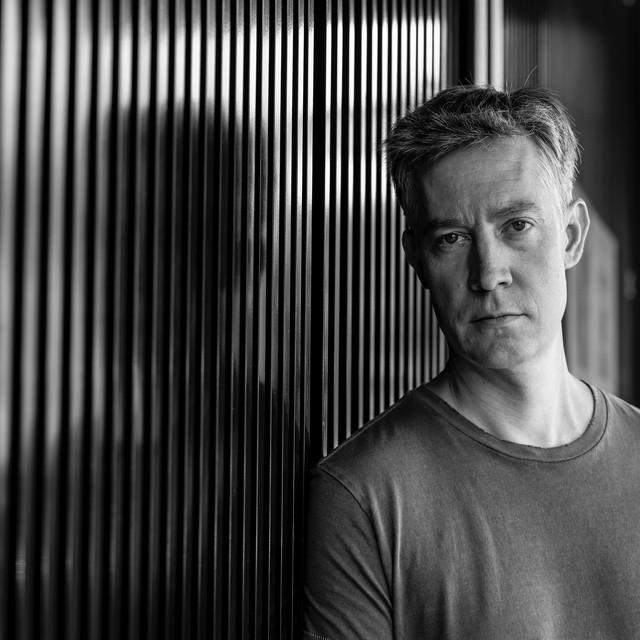
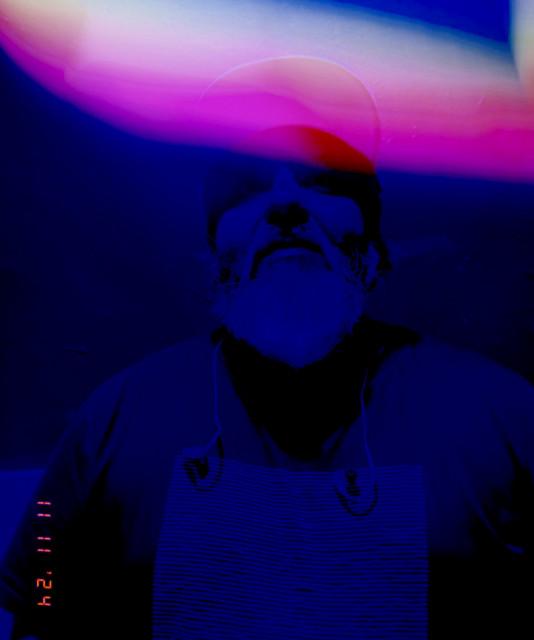
The Flashbulb’s Spotify BioThe Flashbulb is the primary alias of prolific electronic musician and composer Benn Jordan, one of the most well-known artists in the American IDM scene. Jordan is proficient in numerous instruments, including guitars, synthesizers, drums, and sitar. His music ranges from IDM, breakcore, and acid techno to jazz fusion and modern classical, and he has composed music for several film and television soundtracks and commercials, many of which have won awards. Jordan is also known for his views regarding file sharing and online music distribution, and for operating his own label, Alphabasic.
Raised in Chicago, Jordan taught himself to play guitar, and began producing electronic music in the 1990s, taking influence from his home city's acid house scene, as well as British electronic artists such as Aphex Twin and Squarepusher. His debut full-length as the Flashbulb was the ambitious 24-song M³ (Daily Assortment of Sound), which attained word-of-mouth popularity through online message boards… and file sharing services. Jordan gained a bit of online renown in 2001 when he revealed himself to be the creator of "Finnlebuk," a track credited as a leaked cut from Aphex Twin's then-upcoming Drukqs album. The Flashbulb's glitched-out remix of LL Cool J's "Mama Said Knock You Out" also circulated around this time. Jordan gained praise for his virtuosic live performances, and he shared bills with artists far outside the electronic music scene.
The second Flashbulb album, These Open Fields, was far more confessional and less abstract than his debut, featuring his own vocals, as well as piano and acoustic guitar playing. The record was first released in 2001 on his Alphabasic label, and was also issued by Bohnerwachs Tontraeger, a sublabel of German breakcore label Suburban Trash Industries. Aphex Twin's Rephlex label released the Flashbulb's remix of Bogdan Raczynski's "Fuck You DJ" on a limited-edition 7" single in 2002. Japanese label Accelmuzhik released Girls Suck But You Don't, a stopgap release of various tracks from Jordan's hard drive, in 2003. Enhanced CD Resent and the April Sunshine Shed, which featured an increased presence of live and acoustic instrumentation, appeared on Alphabasic in 2003.
2004 saw the release of Jordan's most widely acclaimed album yet, Red Extensions of Me, another ambitious work of manic breakbeat-driven electronic music, and the first Flashbulb album to feature contributions from an outside musician, namely violinist Greg Hirte. The album was released on Bohnerwachs Tontraeger in Germany, and was also the first release on Canadian label Sublight Records, beginning the label's prolific four-year run. Kirlian Selections, Jordan's first album entirely recorded in a professional recording studio, followed in 2005. The same year also saw the release of Réunion, a stark departure from his IDM/breakcore style, leaning more toward downtempo funk and jazz fusion. Flexing Habitual, a much shorter and more abrasive album than most of his other releases, followed in 2006.
The Flashbulb's next album, Soundtrack to a Vacant Life, was originally scheduled to be released on Sublight, but the label collapsed in 2007, leaving Jordan to issue the LP on his Alphabasic label, which would be the home of all his subsequent releases. Jordan personally uploaded the album to music piracy networks upon realizing that online retailers had been selling his music without his permission, and encouraged listeners to support his music if they so desired. The album was another move away from harder, breakbeat-driven material and toward more reflective compositions with live instrumentation. Arboreal (2010) and Love as a Dark Hallway (2011) followed, further exploring fusions of jazz, IDM, ambient, and post-rock. 2012 saw the release of Opus at the End of Everything, another ambitious, complex, contemplative effort, as well as a shorter album, Hardscrabble.
Jordan simultaneously released two Flashbulb albums in May 2014: Nothing Is Real, a collection of cinematic IDM, and Solar One, an hour-long ambient composition. The solo piano album Compositions for Piano and atmospheric, beat-driven EP aBliss followed in 2015. Ambitious, multi-genre full-length Piety of Ashes appeared in 2017. The brief Dormant (Movement 1 Through 7) appeared in 2018, and full-length Our Simulacra arrived in 2020. ~ Paul Simpson, Rovi
Viberate is a music analytics platform built for A&Rs, artist managers, labels, booking agents, marketers, and artists.
It helps music professionals track artist growth, analyze audience data, monitor playlist activity, compare artists, follow song performance, and identify opportunities across the music market.
Public artist pages provide a free preview of selected artist data. Paid plans provide access to deeper analytics, historical data, charts, comparisons, playlist tools, exports, alerts, reports, and additional professional features.
Yes. Public Viberate artist pages provide selected artist analytics and music data for free.
Viberate also offers a 7-day free trial of the full platform. A credit card is required to start the trial. The trial includes access to the complete product so users can test deeper artist analytics, historical views, playlist insights, comparisons, charts, exports, alerts, and reporting features before choosing a paid plan.
Viberate provides artist analytics across streaming, playlists, social media, video, radio airplay, songs, and audience markets.
Users can analyze Spotify performance, Spotify and Apple Music playlists, YouTube activity, TikTok and Instagram growth, radio spins, song performance, audience locations, demographics, rankings, and overall artist momentum.
Artist profiles also connect to music charts, similar artists, and comparison tools, helping users benchmark performance and evaluate artists in context.
Viberate updates key artist and track data daily.
For followed artists and tracks, selected data is refreshed multiple times per day. This helps teams monitor playlist changes, streaming movement, audience growth, releases, and campaign performance with more current data.
Update frequency can vary depending on the metric and data source.
Yes. Viberate lets users compare up to five artists side by side across streaming, social media, audience, and engagement metrics.
Users can compare fanbase growth, audience demographics, locations, Spotify performance, social metrics, and other artist data over selected time periods.
Artist comparison can be used for A&R scouting, benchmarking, booking decisions, campaign planning, and evaluating artists with similar audiences or market positions.