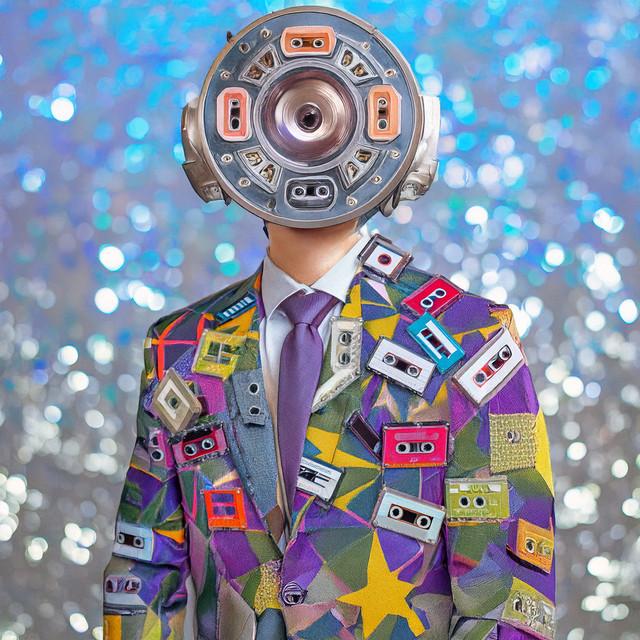
The Find

Pop
Synthpop
 Viberate Rank: 587416
 Viberate Rank: 587416
 Monthly ListenersFollowers
 Subscribers
 Followers
 Followers
 FansTop Spotify Songs
| Track | 7-Day Streams | |
|---|---|---|
1 | 119 | |
2 | 47 | |
3 | 38 | |
4 | 19 | |
5 | 19 |
Top YouTube VideosMonthly ListenersFeatured in Playlists| Playlist | Followers | |
|---|---|---|
1 |  you look lonely... I can fix that. Replicant Sound | 10.59K |
2 |  Lounge, Lunch & Dinner Boriskotelsky | 8.69K |
3 |  Listen to The Find The Find | 2.74K |
4 |  MODERN NEW WAVE Peter Post-Punk | 2.55K |
5 |  NRJ Sweden Top 400 Rickard Nord | 2.47K |
Audience| City | Monthly Listeners | |
|---|---|---|
1 |  | 52 |
2 |  | 32 |
3 | | 25 |
4 | | 25 |
5 | | 21 |
See full performance history, audience data, playlist activity, rankings, comparisons, and more in Viberate music analytics. Start with a free trial, then continue with a paid plan.
The Find’s Spotify BioI love writing songs and making Electronic music. It's hard to define my music as a single genre
My most basic influences come from electronic music going back to the late 1970s: Giorgio Moroder, Cerrone, Jean Michel Jarre, Kraftwerk, The Buggles and Gary Numan. Then there was the birth of synth pop in the 1980s. Bands like Human League, OMD, Blancmange, Heaven 17, Depeche Mode, New Order, Visage, Japan, Soft Cell, Duran Duran, Ultravox, Erasure, Art of noise, Talk Talk and Pet Shop Boys
In the late 80s along came new genres, the most popular of which was house music with it's many variations from Acid to Ambient and many others in between. It was partly driven by DJs and do it yourself home producers and geared very much towards clubs. I danced many nights away to those tunes and soaked them in
I've also been influenced by producers over those years: Giorgio Moroder, Trevor Horn, Quincy Jones, Vangelis, Stephen Hague, William Orbit to name some
I hope you enjoy The Find as much as I enjoy… making it
Viberate is a music analytics platform built for A&Rs, artist managers, labels, booking agents, marketers, and artists.
It helps music professionals track artist growth, analyze audience data, monitor playlist activity, compare artists, follow song performance, and identify opportunities across the music market.
Public artist pages provide a free preview of selected artist data. Paid plans provide access to deeper analytics, historical data, charts, comparisons, playlist tools, exports, alerts, reports, and additional professional features.
Yes. Public Viberate artist pages provide selected artist analytics and music data for free.
Viberate also offers a 7-day free trial of the full platform. A credit card is required to start the trial. The trial includes access to the complete product so users can test deeper artist analytics, historical views, playlist insights, comparisons, charts, exports, alerts, and reporting features before choosing a paid plan.
Viberate provides artist analytics across streaming, playlists, social media, video, radio airplay, songs, and audience markets.
Users can analyze Spotify performance, Spotify and Apple Music playlists, YouTube activity, TikTok and Instagram growth, radio spins, song performance, audience locations, demographics, rankings, and overall artist momentum.
Artist profiles also connect to music charts, similar artists, and comparison tools, helping users benchmark performance and evaluate artists in context.
Viberate updates key artist and track data daily.
For followed artists and tracks, selected data is refreshed multiple times per day. This helps teams monitor playlist changes, streaming movement, audience growth, releases, and campaign performance with more current data.
Update frequency can vary depending on the metric and data source.
Yes. Viberate lets users compare up to five artists side by side across streaming, social media, audience, and engagement metrics.
Users can compare fanbase growth, audience demographics, locations, Spotify performance, social metrics, and other artist data over selected time periods.
Artist comparison can be used for A&R scouting, benchmarking, booking decisions, campaign planning, and evaluating artists with similar audiences or market positions.