The Figgs

Rock
Pop Rock
Power Pop
 Viberate Rank: 308089
 Viberate Rank: 308089
 Monthly ListenersFollowers
 Subscribers
 Followers
 Followers
 FansTop Spotify Songs
| Track | 7-Day Streams | |
|---|---|---|
1 | 324 | |
2 | 113 | |
3 | 97 | |
4 | 83 | |
5 | 44 |
Top YouTube Videos| Video | 7-Day Views | |
|---|---|---|
1 | 1 |
Monthly ListenersFeatured in Playlists| Playlist | Followers | |
|---|---|---|
1 |  Frisky feelings Nancy | 8.61K |
2 |  Dawson‘s Creek (Complete Soundtrack) 𝙼𝚁. 𝙼𝙸𝚂𝙵𝙸𝚃 | 2.51K |
3 | Cuines 3Cat | 2.00K |
4 |  History of Power Pop Luthercal | 2.00K |
5 |  Warped Tour Jake Hyde | 1.95K |
Audience| City | Monthly Listeners | |
|---|---|---|
1 | | 41 |
2 | | 30 |
3 | | 28 |
4 | | 27 |
5 |  | 25 |
See full performance history, audience data, playlist activity, rankings, comparisons, and more in Viberate music analytics. Start with a free trial, then continue with a paid plan.
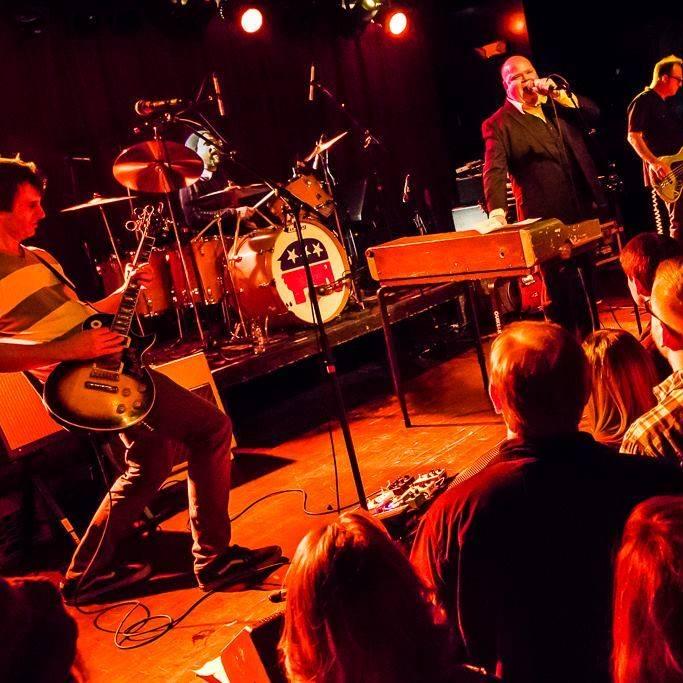
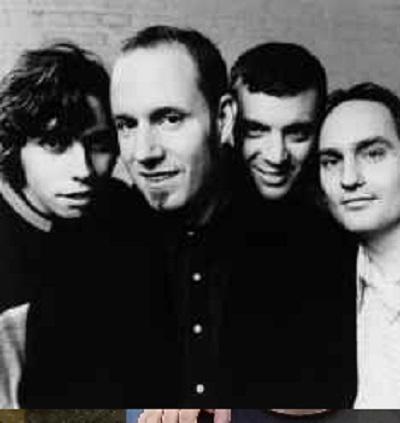
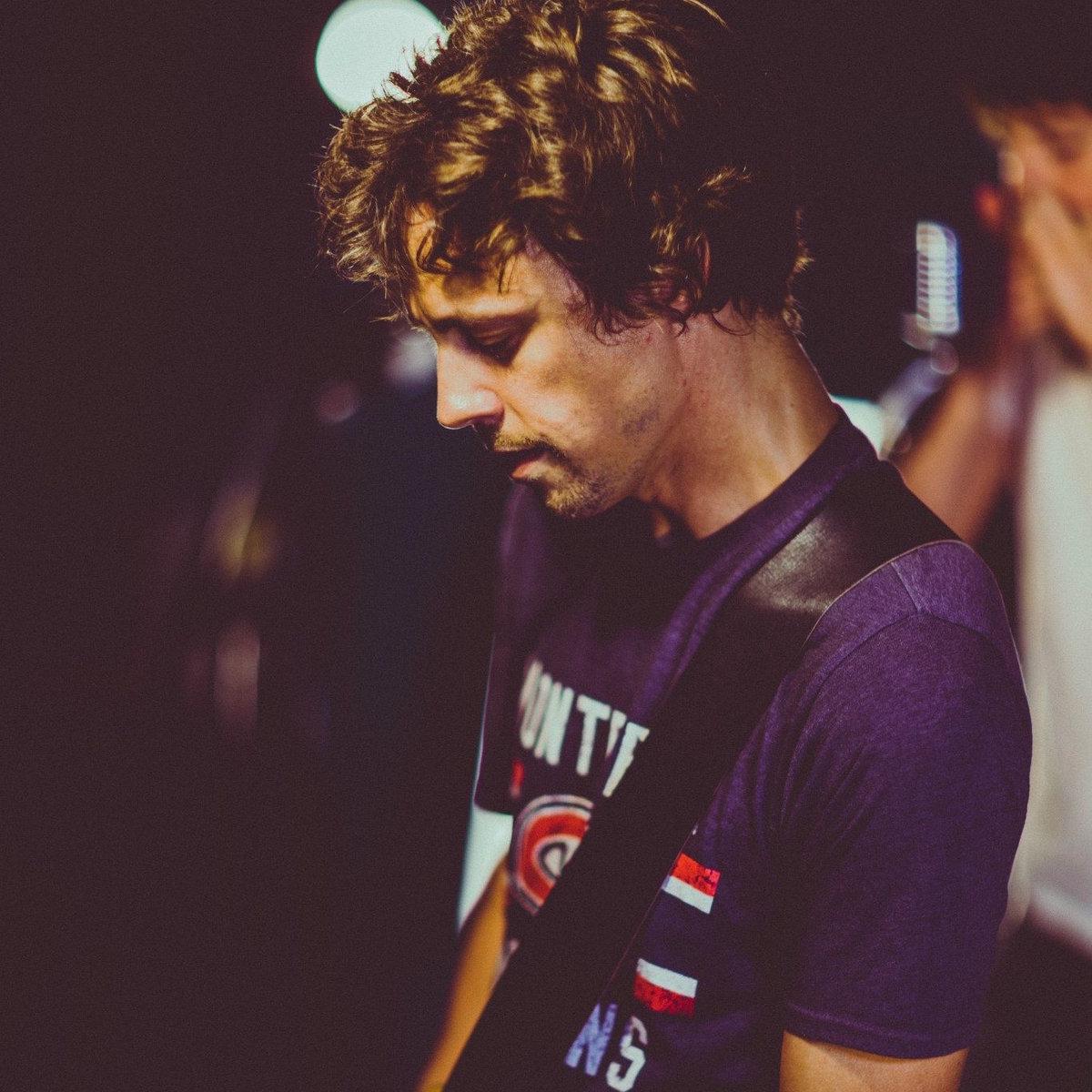
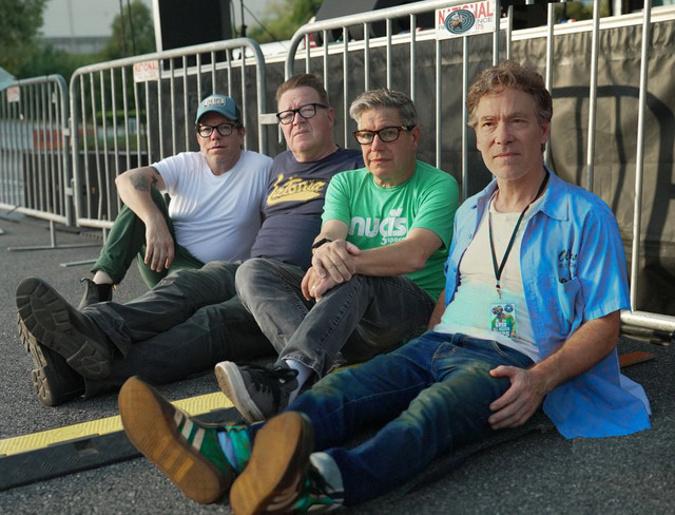
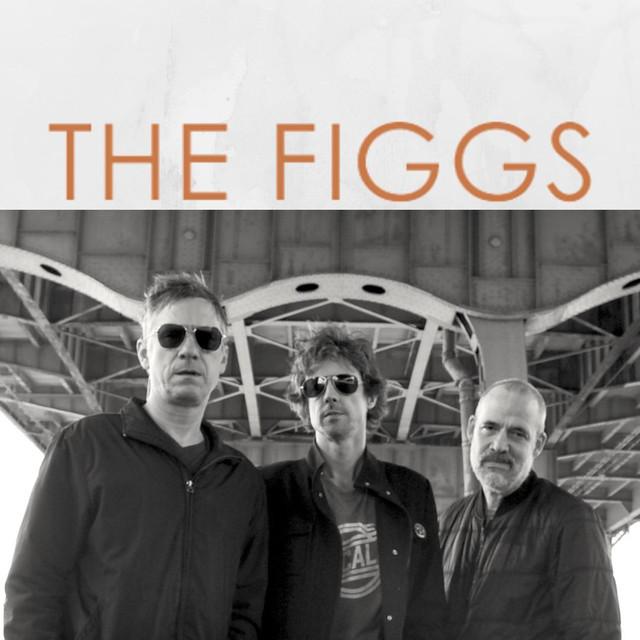
The Figgs’ Spotify BioThe Figgs formed in 1987 in Saratoga Springs, NY. Mike Gent (guitar, vocals), Pete Donnelly (bass), Pete Hayes (drums), and Guy Lyons (lead guitar) were power pop and brash punk freaks, recklessly mixing elements of each but rarely losing sight of a solid hook. The combo issued 7" and cassette releases on the area indie Absolute-a-Go-Go before making their official debut with the 1994 Imago LP Low-Fi at Society High. The Hi-Fi Dropouts EP followed that same year; both received solid notices from critics and college radio. Imago's sudden loss of financing and distribution left the Figgs and material for their follow-up high and dry, but the band landed on its feet at Capitol, which issued Banda Macho in 1996. However, despite some touring and promotion, Capital wasn't really sure what to do with the ambitious Banda or the guys who made it, and the Figgs were kicked to the curb. Their next opportunity came as the backing band for Graham Parker, who tapped them for a tour after hearing… their version of "Passion Is No Ordinary Word." The jaunt spawned a live set called The Last Rock N Roll Tour (Razor and Tie, 1997), but it was mostly a great excuse for the Figgs to play with one of their heroes. The Couldn't Get High LP appeared from Absolute-a-Go-Go in 1998, followed by an EP for Hearbox a year later. 2000 saw issue of both the vinyl-only Rejects (Philthyrex) and Sucking in Stereo (Hearbox), which emphasized the early new wave side of the Figgs' engaging, bratty pop. Stereo was hailed by some as a return to stripped-down, happily rocking form for the group, which by this point had endured its unfair share of label woe and teasing success. The 2001 EP Badger built on Stereo's success, as did the Hearbox full-length Slow Charm a year later. Touring for that album included a stint with Tommy Stinson; the ex-Replacement returned the favor in 2004, guesting on the Figgs' self-released double album Palais. Two years later the Bloodshot label released 103 Degrees in June, a mail-order and download-only live album with the Figgs backing Graham Parker at Chicago's Double Door. By the end of the year, the new album Follow Jean Through the Sea appeared. ~ Johnny Loftus, Rovi
Viberate is a music analytics platform built for A&Rs, artist managers, labels, booking agents, marketers, and artists.
It helps music professionals track artist growth, analyze audience data, monitor playlist activity, compare artists, follow song performance, and identify opportunities across the music market.
Public artist pages provide a free preview of selected artist data. Paid plans provide access to deeper analytics, historical data, charts, comparisons, playlist tools, exports, alerts, reports, and additional professional features.
Yes. Public Viberate artist pages provide selected artist analytics and music data for free.
Viberate also offers a 7-day free trial of the full platform. A credit card is required to start the trial. The trial includes access to the complete product so users can test deeper artist analytics, historical views, playlist insights, comparisons, charts, exports, alerts, and reporting features before choosing a paid plan.
Viberate provides artist analytics across streaming, playlists, social media, video, radio airplay, songs, and audience markets.
Users can analyze Spotify performance, Spotify and Apple Music playlists, YouTube activity, TikTok and Instagram growth, radio spins, song performance, audience locations, demographics, rankings, and overall artist momentum.
Artist profiles also connect to music charts, similar artists, and comparison tools, helping users benchmark performance and evaluate artists in context.
Viberate updates key artist and track data daily.
For followed artists and tracks, selected data is refreshed multiple times per day. This helps teams monitor playlist changes, streaming movement, audience growth, releases, and campaign performance with more current data.
Update frequency can vary depending on the metric and data source.
Yes. Viberate lets users compare up to five artists side by side across streaming, social media, audience, and engagement metrics.
Users can compare fanbase growth, audience demographics, locations, Spotify performance, social metrics, and other artist data over selected time periods.
Artist comparison can be used for A&R scouting, benchmarking, booking decisions, campaign planning, and evaluating artists with similar audiences or market positions.