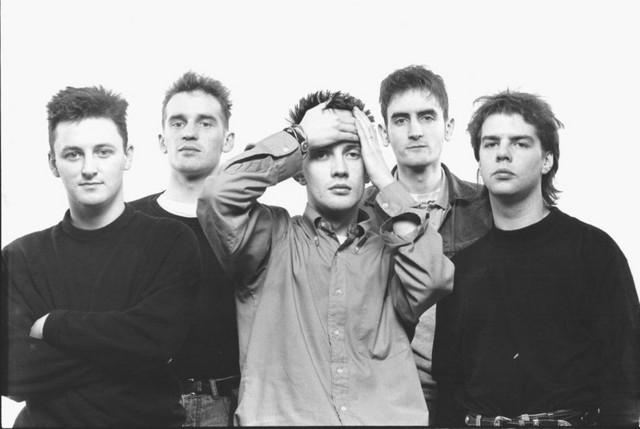
The Field Mice

Rock
Indie Rock
Indie Pop
Alternative Rock
 Viberate Rank: 161102
 Viberate Rank: 161102
 Monthly ListenersFollowers
 Subscribers
 Followers
 Followers
 FansTop Spotify Songs
| Track | 7-Day Streams | |
|---|---|---|
1 | 4.29K | |
2 | 2.71K | |
3 | 2.14K | |
4 | 1.22K | |
5 | 758 |
Top YouTube VideosMonthly ListenersFeatured in Playlists| Playlist | Followers | |
|---|---|---|
1 |  Twin Peaks Vibes 📺 maddie f | 36.94K |
2 | shoegaze pain carohow | 24.00K |
3 | giant 90s alt/indie/etc playlist PART 1: 1990-1994 Aroon Karvna | 22.13K |
4 | Unofficial Reverb Radio Jeff Ferruzzo | 21.82K |
5 |  1990s Punk & Indie Numero Group | 16.21K |
Audience| City | Monthly Listeners | |
|---|---|---|
1 | | 718 |
2 |  | 635 |
3 | | 490 |
4 | | 449 |
5 | | 399 |
See full performance history, audience data, playlist activity, rankings, comparisons, and more in Viberate music analytics. Start with a free trial, then continue with a paid plan.
The Field Mice’s Spotify BioThe flagship band of the legendary Sarah Records, the Field Mice neatly encapsulated the label's trademark wispy, lovelorn pop sound and remain among the most beloved British cult bands of their time. Debuting in 1988 with the single "Emma's House," the Field Mice were originally comprised of singer/guitarist Robert Wratten and bassist Michael Hiscock; initially dismissed in the U.K. press as little more than twee pop fluff, over the course of subsequent releases like 1989's "Sensitive" and the So Said Kay EP, the group earned not only a devout following, but also grudging critical respect, in the process becoming Sarah's best-selling band. Later growing to a quintet with the additions of guitarist Harvey Williams, keyboardist Annemari Davies, and drummer Mark Dobson, the group held fast to their label's singles-only policy (or mini-LPs) until a much-requested compilation LP, Coastal, was finally released in mid-1991; a studio album, For Keeps, appeared just a few months later.… However, in the wake of a November, 1991 Glasgow live date which ended in on-stage fisticuffs, the Field Mice essentially disbanded, playing one final London farewell gig before splitting for good; Wratten, Davies, and Dobson later reunited in Northern Picture Library and Trembling Blue Stars. ~ Jason Ankeny, Rovi
Viberate is a music analytics platform built for A&Rs, artist managers, labels, booking agents, marketers, and artists.
It helps music professionals track artist growth, analyze audience data, monitor playlist activity, compare artists, follow song performance, and identify opportunities across the music market.
Public artist pages provide a free preview of selected artist data. Paid plans provide access to deeper analytics, historical data, charts, comparisons, playlist tools, exports, alerts, reports, and additional professional features.
Yes. Public Viberate artist pages provide selected artist analytics and music data for free.
Viberate also offers a 7-day free trial of the full platform. A credit card is required to start the trial. The trial includes access to the complete product so users can test deeper artist analytics, historical views, playlist insights, comparisons, charts, exports, alerts, and reporting features before choosing a paid plan.
Viberate provides artist analytics across streaming, playlists, social media, video, radio airplay, songs, and audience markets.
Users can analyze Spotify performance, Spotify and Apple Music playlists, YouTube activity, TikTok and Instagram growth, radio spins, song performance, audience locations, demographics, rankings, and overall artist momentum.
Artist profiles also connect to music charts, similar artists, and comparison tools, helping users benchmark performance and evaluate artists in context.
Viberate updates key artist and track data daily.
For followed artists and tracks, selected data is refreshed multiple times per day. This helps teams monitor playlist changes, streaming movement, audience growth, releases, and campaign performance with more current data.
Update frequency can vary depending on the metric and data source.
Yes. Viberate lets users compare up to five artists side by side across streaming, social media, audience, and engagement metrics.
Users can compare fanbase growth, audience demographics, locations, Spotify performance, social metrics, and other artist data over selected time periods.
Artist comparison can be used for A&R scouting, benchmarking, booking decisions, campaign planning, and evaluating artists with similar audiences or market positions.