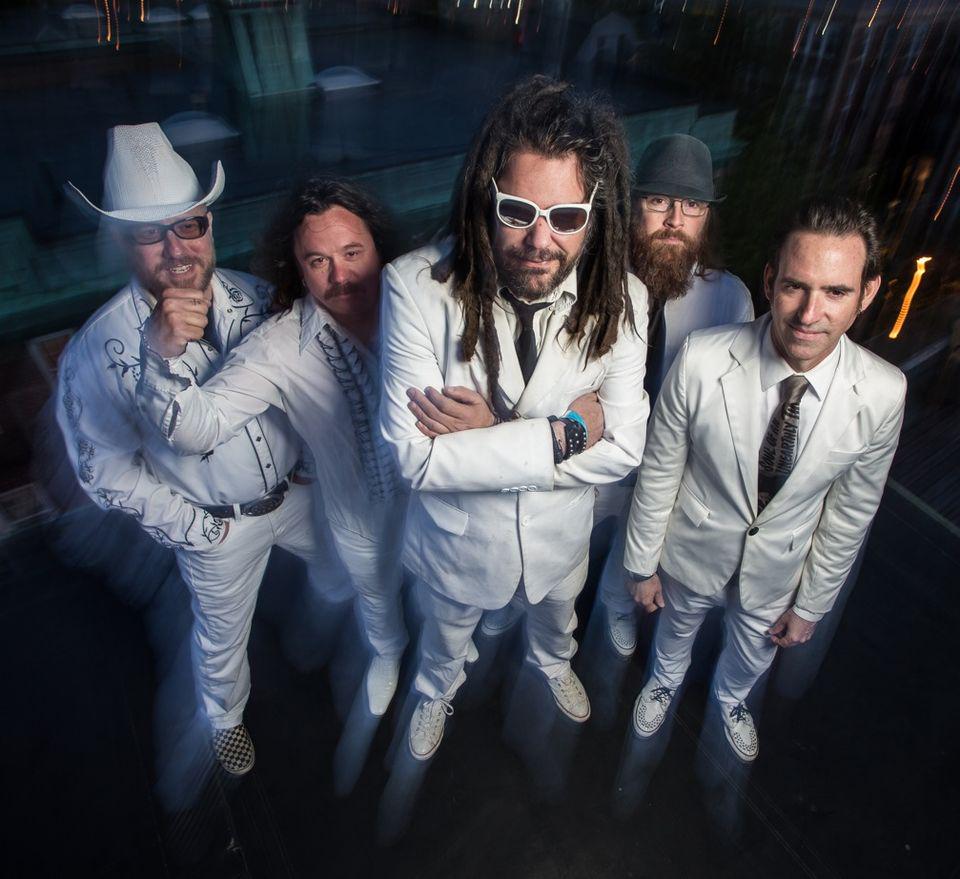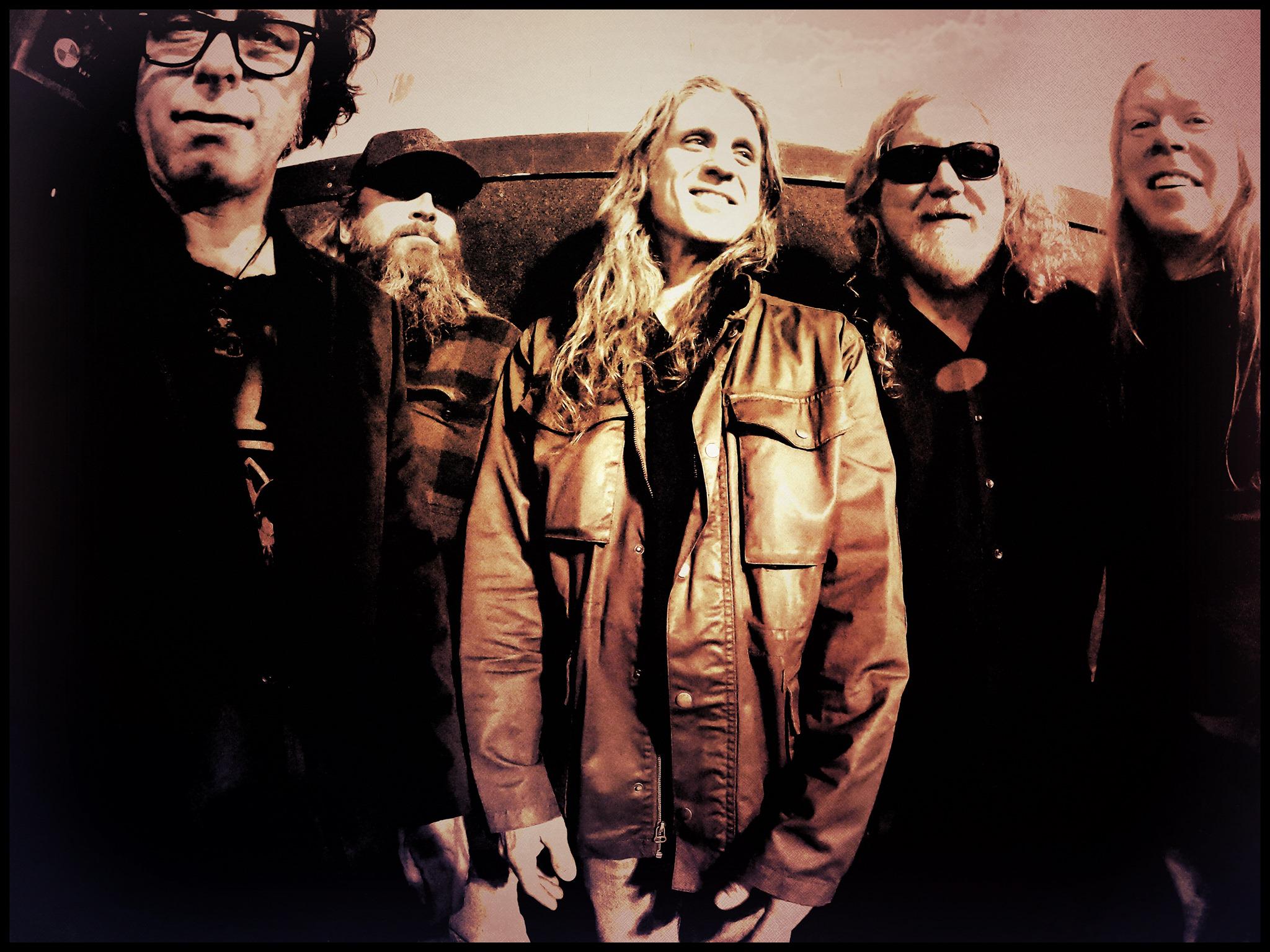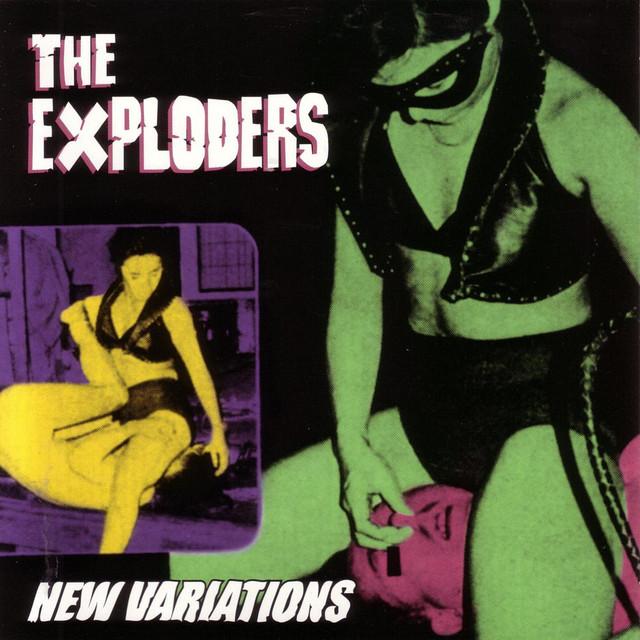
The Exploders

Rock
Alternative Rock
Psychedelic Rock
Other Electronic Music
 Viberate Rank: 681797
 Viberate Rank: 681797
 Monthly ListenersFollowers
 Subscribers
 Followers
 Followers
 FansTop Spotify Songs
| Track | 7-Day Streams | |
|---|---|---|
1 | 802 | |
2 | 56 | |
3 | 21 | |
4 | 17 | |
5 | 15 |
Top YouTube VideosMonthly ListenersFeatured in Playlists| Playlist | Followers | |
|---|---|---|
1 |  MotorStorm Complete Soundtrack wassapdude94 | 5.85K |
2 |  Motorstorm-Arctic Edge Yannick | 5.23K |
3 |  All Genres Angel Luis | 2.40K |
Audience| City | Monthly Listeners | |
|---|---|---|
1 |  | 29 |
2 | | 5 |
See full performance history, audience data, playlist activity, rankings, comparisons, and more in Viberate music analytics. Start with a free trial, then continue with a paid plan.
The Exploders’ Spotify BioWhen the Exploders began in 1998, they wanted their band to be a combination of garage and hard rock. As the group progressed, their focus shifted to creating catchy rock drawing from '60s, '70s, and '80s influences. Everyone in the Exploders originally met through playing gigs together in Toronto. Guitarist/backing vocalist Craig "Classy" Daniels was in the panic rock/garage bands the Leather Uppers and the Stinkies in the early '90s. Bassist Erik Doole had been in the early-'90s hardcore punk outfit the Cleavers and mid-'90s twisted punk band Starkweather Fix. It was with Starkweather Fix that Doole met future Exploders lead vocalist Simon Oates (aka Simon Pius). Oates had also been involved in the groups the Exploding Tits and Johnny LaRue and the Totally Originals. During his tenure with the Totally Originals, Oates met Chris LaRue (aka Johnny LaRue), who was also performing with seminal, experimental late-'90s rock band Smallmouth. By the late '90s, however, Oates and Daniels were… growing tired of their bands and were looking for new creative outlets. Since they both lived across the street from each other in the Toronto suburb Parkdale, they figured they'd team up and form a new band together. At this point in time, LaRue caught wind of what Oates and Daniels were doing and asked them if he could join as their drummer. The last missing piece of the puzzle was finding a bassist. Oates mentioned to Daniels and LaRue that he had a friend who had just moved back to Canada from Texas who played bass. It turned out to be Doole, and the Exploders were finally a completed ensemble by the fall of 1998. By the end of 1999, the Exploders had been playing out at various Toronto clubs and decided to record a demo. The band traveled to Detroit to record with producer and Dirtbombs member Jim Diamond at Ghetto Recorders. They sent a copy of their material to Rip Off Records, and the label was interested in releasing some of it. This led to the band's first record contract in the spring of 2000. Other labels, such as Mint and Sympathy, were also interested in the group, but Rip Off made the best deal. To introduce themselves to the record-buying public with as much fervor as possible, the Exploders issued two EPs on separate labels using the material they had recorded in Detroit. Teenage U.S.A. Recordings released What's What and Who's Who in July 2000, while Rip Off released Electric Power in August. The band played various shows in Ontario and Quebec, Canada, and in U.S. cities like Buffalo and Detroit. At the beginning of 2001, the Exploders were recording their first full-length album, Sparkomatic, with producer Ian Burton, who is known for his work on the Tricky Woo album Sometimes I Cry. Gaven Dianda, from the bands Flashing Lights and the Satisfaction, played Hammond organ and piano on the record. ~ Stephen Howell, Rovi
Viberate is a music analytics platform built for A&Rs, artist managers, labels, booking agents, marketers, and artists.
It helps music professionals track artist growth, analyze audience data, monitor playlist activity, compare artists, follow song performance, and identify opportunities across the music market.
Public artist pages provide a free preview of selected artist data. Paid plans provide access to deeper analytics, historical data, charts, comparisons, playlist tools, exports, alerts, reports, and additional professional features.
Yes. Public Viberate artist pages provide selected artist analytics and music data for free.
Viberate also offers a 7-day free trial of the full platform. A credit card is required to start the trial. The trial includes access to the complete product so users can test deeper artist analytics, historical views, playlist insights, comparisons, charts, exports, alerts, and reporting features before choosing a paid plan.
Viberate provides artist analytics across streaming, playlists, social media, video, radio airplay, songs, and audience markets.
Users can analyze Spotify performance, Spotify and Apple Music playlists, YouTube activity, TikTok and Instagram growth, radio spins, song performance, audience locations, demographics, rankings, and overall artist momentum.
Artist profiles also connect to music charts, similar artists, and comparison tools, helping users benchmark performance and evaluate artists in context.
Viberate updates key artist and track data daily.
For followed artists and tracks, selected data is refreshed multiple times per day. This helps teams monitor playlist changes, streaming movement, audience growth, releases, and campaign performance with more current data.
Update frequency can vary depending on the metric and data source.
Yes. Viberate lets users compare up to five artists side by side across streaming, social media, audience, and engagement metrics.
Users can compare fanbase growth, audience demographics, locations, Spotify performance, social metrics, and other artist data over selected time periods.
Artist comparison can be used for A&R scouting, benchmarking, booking decisions, campaign planning, and evaluating artists with similar audiences or market positions.