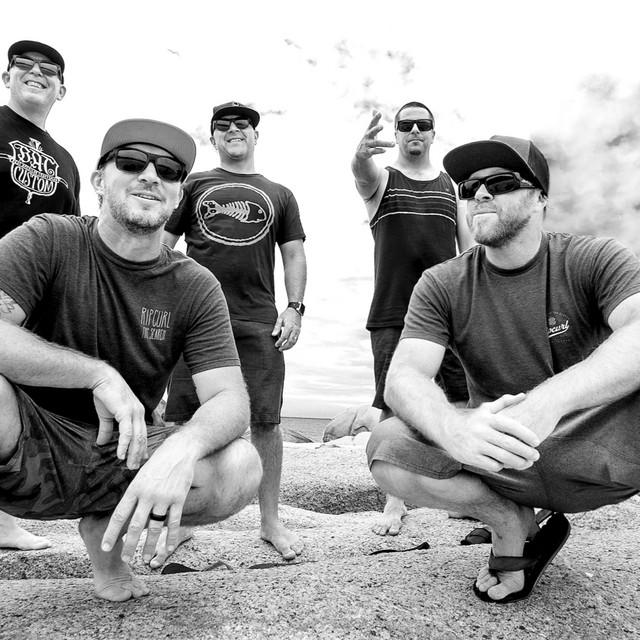
The Expendables

Rock
Alternative Rock
Reggae Fusion
 Viberate Rank: 22869
 Viberate Rank: 22869
 Monthly ListenersFollowers
 Subscribers
 Followers
 Followers
 FansTop Spotify Songs
| Track | 7-Day Streams | |
|---|---|---|
1 | 280.45K | |
2 | 182.56K | |
3 | 39.49K | |
4 | 32.85K | |
5 | 26.15K |
Top YouTube VideosMonthly ListenersFeatured in Playlists| Playlist | Followers | |
|---|---|---|
1 |  Beach Vibes Spotify | 1.05M |
2 | SKA Kevin McLaughlin | 111.43K |
3 |  Top 100 - Best Of Reggae Declan Sheehan | 102.09K |
4 |  Hawaiian Reggae Boo Samoranos | 98.61K |
5 |  Island Vibes 🏝️ 1283760055 | 68.21K |
Audience| City | Monthly Listeners | |
|---|---|---|
1 | | 27.03K |
2 | | 19.23K |
3 | | 18.17K |
4 | | 16.15K |
5 | | 15.84K |
See full performance history, audience data, playlist activity, rankings, comparisons, and more in Viberate music analytics. Start with a free trial, then continue with a paid plan.
The Expendables’ Spotify BioThe Expendables haven’t proven anything, but in their nearly 25-year career since starting out as a spirited party band in high school performing surf-rock covers for birthdays and family gatherings. A quarter-century later, elementary school buddies Raul Bianchi, Adam Patterson and Geoff Weers, along with bassist Ryan DeMars, who joined in 2000, have forged a unique sound born in the laid-back beach life in their hometown of Santa Cruz, CA.
The Expendables’ infectious hybrid of ska, surf-rock, punk, reggae and metal can be heard in their latest streaming track, “Surfman Cometh,” a spaghetti-western meets “Pipeline” twang that could easily form the soundtrack to the latest Quentin Tarantino film. The song is the first release from the group’s new and improved Band Room, their longtime rehearsal space in a 1,100 square foot warehouse and former wine cellar on Coral Street, where Adam Patterson took charge of the final mix to great effect.
The band’s previous studio album of original… material, 2015’s Sand in the Sky, was followed by The Expendables’ second release featuring acoustic reworkings of past material, Gone Raw, 2019’s follow-up to 2012’s Gone Soft. The Expendables continue woodshedding until they can get back out on the road. Their 2017 Moment EP, which debuted at #1 on the Billboard Reggae chart, showed a different musical direction, featuring collaborations with reggae crooner HIRIE, rapper Tech N9ne, Eric Rachmany, and Micah Peuschel.
Viberate is a music analytics platform built for A&Rs, artist managers, labels, booking agents, marketers, and artists.
It helps music professionals track artist growth, analyze audience data, monitor playlist activity, compare artists, follow song performance, and identify opportunities across the music market.
Public artist pages provide a free preview of selected artist data. Paid plans provide access to deeper analytics, historical data, charts, comparisons, playlist tools, exports, alerts, reports, and additional professional features.
Yes. Public Viberate artist pages provide selected artist analytics and music data for free.
Viberate also offers a 7-day free trial of the full platform. A credit card is required to start the trial. The trial includes access to the complete product so users can test deeper artist analytics, historical views, playlist insights, comparisons, charts, exports, alerts, and reporting features before choosing a paid plan.
Viberate provides artist analytics across streaming, playlists, social media, video, radio airplay, songs, and audience markets.
Users can analyze Spotify performance, Spotify and Apple Music playlists, YouTube activity, TikTok and Instagram growth, radio spins, song performance, audience locations, demographics, rankings, and overall artist momentum.
Artist profiles also connect to music charts, similar artists, and comparison tools, helping users benchmark performance and evaluate artists in context.
Viberate updates key artist and track data daily.
For followed artists and tracks, selected data is refreshed multiple times per day. This helps teams monitor playlist changes, streaming movement, audience growth, releases, and campaign performance with more current data.
Update frequency can vary depending on the metric and data source.
Yes. Viberate lets users compare up to five artists side by side across streaming, social media, audience, and engagement metrics.
Users can compare fanbase growth, audience demographics, locations, Spotify performance, social metrics, and other artist data over selected time periods.
Artist comparison can be used for A&R scouting, benchmarking, booking decisions, campaign planning, and evaluating artists with similar audiences or market positions.