The Ernies

Rock
Alternative Rock
Skate Punk
Ska
 Viberate Rank: 243139
 Viberate Rank: 243139
 Monthly ListenersFollowers
 Subscribers
 Followers
 Followers
 FansTop Spotify Songs
| Track | 7-Day Streams | |
|---|---|---|
1 | 11.50K | |
2 | 9.98K | |
3 | 272 | |
4 | 129 | |
5 | 124 |
Top YouTube VideosMonthly ListenersFeatured in Playlists| Playlist | Followers | |
|---|---|---|
1 |  Tony Hawk's Pro Skater 1-4 Playstation Selection Rnt | 48.65K |
2 | Tony Hawk Pro Skater! bhhsmith | 43.06K |
3 | 12155857677 | 34.56K |
4 |  Tony Hawk's Pro Skater 1+2 Official Soundtrack Spotify | 31.98K |
5 |  WonkoFM WonkoTheSane | 21.06K |
Audience| City | Monthly Listeners | |
|---|---|---|
1 |  | 500 |
2 | | 447 |
3 | | 392 |
4 |  | 364 |
5 |  | 345 |
See full performance history, audience data, playlist activity, rankings, comparisons, and more in Viberate music analytics. Start with a free trial, then continue with a paid plan.
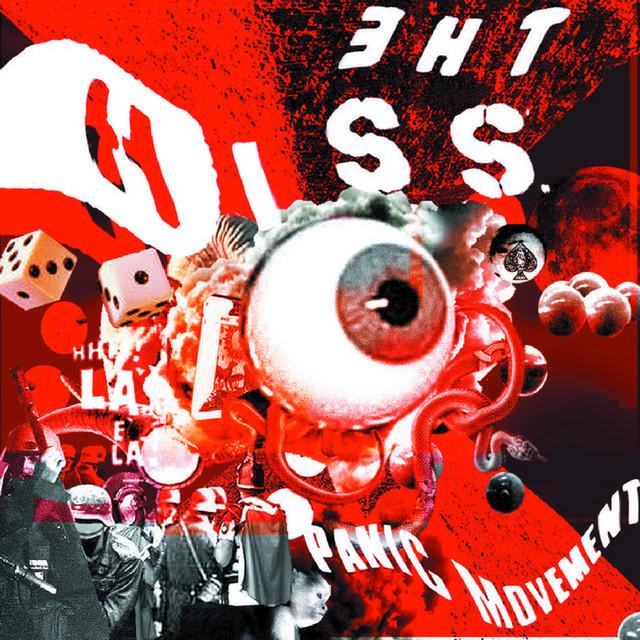
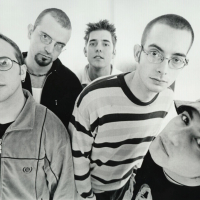
The Ernies’ Spotify BioThe Ernies, who hail from Richmond, Virginia, started their musical journey as a straight-ahead ska band in January, 1994 when guitarist/lead vocalist Will Hummel and drummer Matt Goves decided they were tired of playing covers and began trying to do something a little more creative. They were soon joined by baritone sax player Hayes Smith and bassist David Warren. The band played together for a year before issuing their self-titled debut album on Bob Records. Their debut would be the only ska album that they would ever make, and even it showed the beginnings of the cross-style noodling that the band would be known for later. Two more members expanded the Ernies' lineup; in 1996: Mike Hughes switched from playing the guitar to bass to join the band and in 1997, turntablist Chris Bondi (a childhood friend of Smith's) hooked up with the band and helped radically change their sound. 1997's Dropping Science, also issued on Bob Records, shows evidence of this evolution. The album is a… mish-mash of styles, mixing their old ska roots with hip-hop and metal elements. The band still appealed to the skate and snowboard crowd, however, and supported their album with a tour of Colorado ski resorts in the winter of 1997. While they were in Colorado, they were invited to play in a band showcase at the Opium Den in Hollywood. Despite the distance, the band decided to journey to California, which proved fortunate -- they were sighted at the show by a representative of Mojo Records and were later offered a contract with the label. Their first major-label debut, Meson Ray, which was released in 1999, was the first fruit of that contract. Recorded by Howard Benson in Los Angeles, the album harnessed the Ernies' craziness on a collection of widely divergent songs. ~ Stacia Proefrock, Rovi
Viberate is a music analytics platform built for A&Rs, artist managers, labels, booking agents, marketers, and artists.
It helps music professionals track artist growth, analyze audience data, monitor playlist activity, compare artists, follow song performance, and identify opportunities across the music market.
Public artist pages provide a free preview of selected artist data. Paid plans provide access to deeper analytics, historical data, charts, comparisons, playlist tools, exports, alerts, reports, and additional professional features.
Yes. Public Viberate artist pages provide selected artist analytics and music data for free.
Viberate also offers a 7-day free trial of the full platform. A credit card is required to start the trial. The trial includes access to the complete product so users can test deeper artist analytics, historical views, playlist insights, comparisons, charts, exports, alerts, and reporting features before choosing a paid plan.
Viberate provides artist analytics across streaming, playlists, social media, video, radio airplay, songs, and audience markets.
Users can analyze Spotify performance, Spotify and Apple Music playlists, YouTube activity, TikTok and Instagram growth, radio spins, song performance, audience locations, demographics, rankings, and overall artist momentum.
Artist profiles also connect to music charts, similar artists, and comparison tools, helping users benchmark performance and evaluate artists in context.
Viberate updates key artist and track data daily.
For followed artists and tracks, selected data is refreshed multiple times per day. This helps teams monitor playlist changes, streaming movement, audience growth, releases, and campaign performance with more current data.
Update frequency can vary depending on the metric and data source.
Yes. Viberate lets users compare up to five artists side by side across streaming, social media, audience, and engagement metrics.
Users can compare fanbase growth, audience demographics, locations, Spotify performance, social metrics, and other artist data over selected time periods.
Artist comparison can be used for A&R scouting, benchmarking, booking decisions, campaign planning, and evaluating artists with similar audiences or market positions.