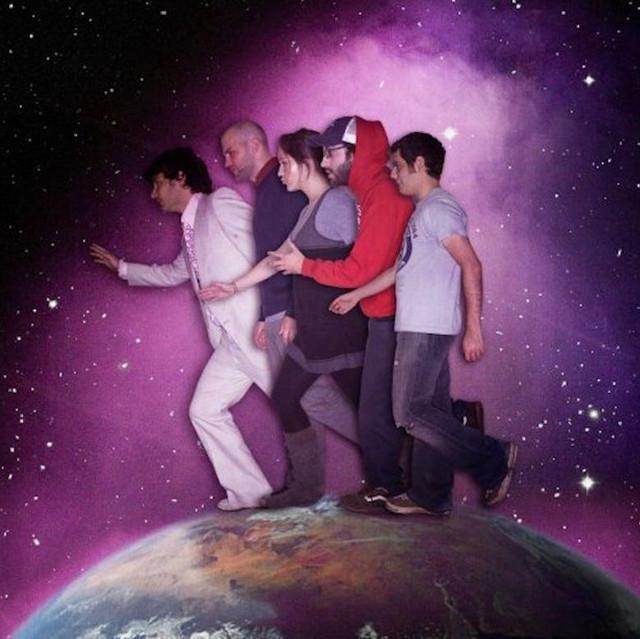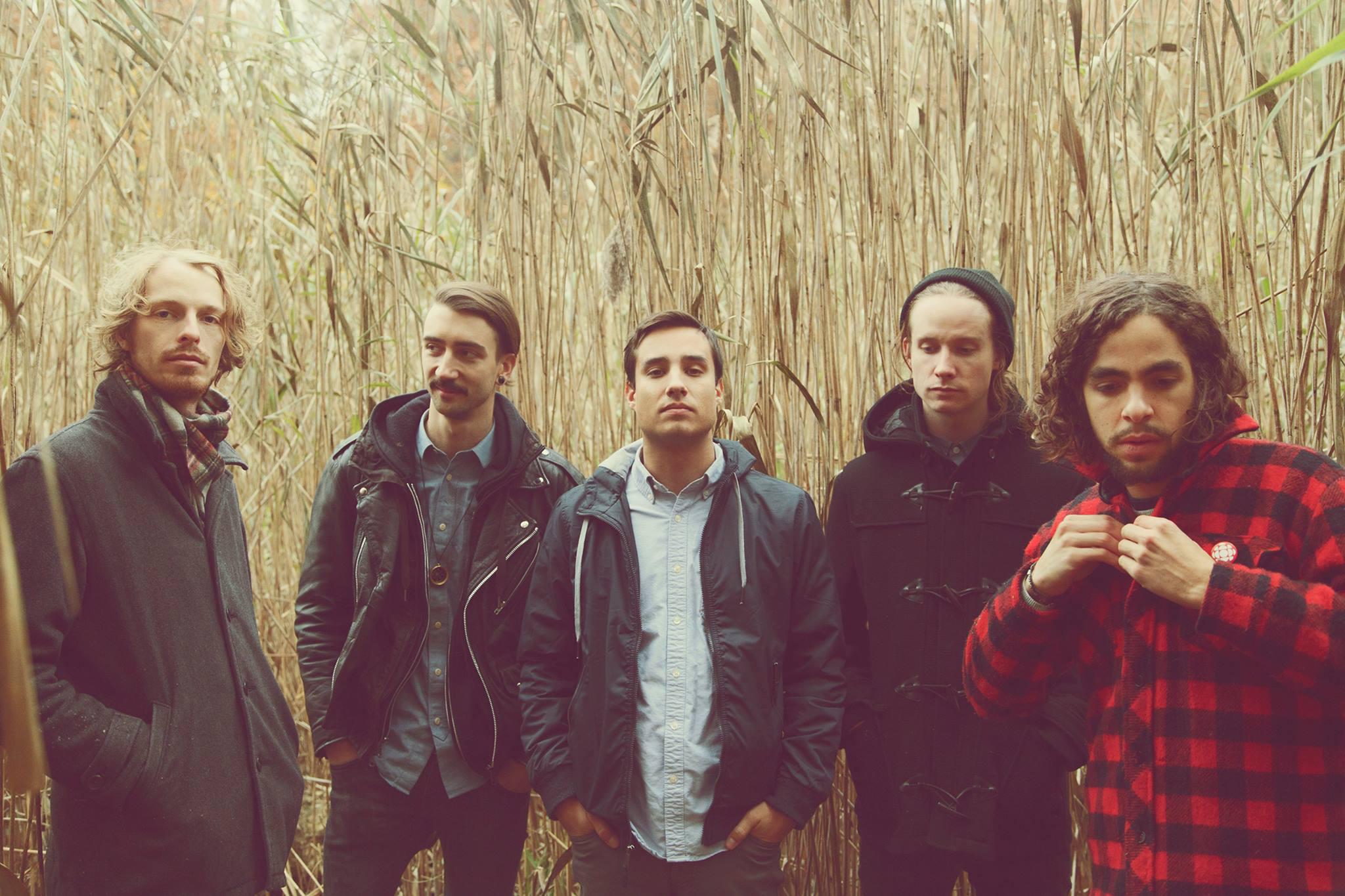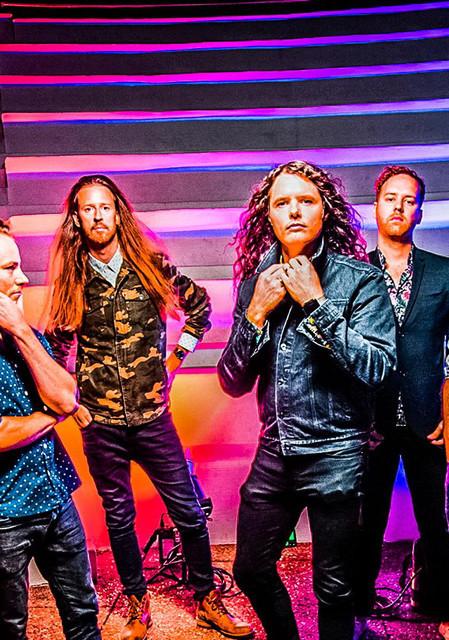
The Envy Corps

Rock
Alternative Rock
Indie Rock
 Viberate Rank: 237731
 Viberate Rank: 237731
 Monthly ListenersFollowers
 Subscribers
 Followers
 Followers
 FansTop Spotify Songs
| Track | 7-Day Streams | |
|---|---|---|
1 | 521 | |
2 | 311 | |
3 | 182 | |
4 | 140 | |
5 | 122 |
Top YouTube VideosMonthly ListenersFeatured in Playlists| Playlist | Followers | |
|---|---|---|
1 |  Entourage Soundtrack martin | 14.37K |
2 | Imagine Dragons Of Monsters and Men Dylan M. Williams | 6.11K |
3 |  Enneagram Type 4 Erica Summer | 4.22K |
4 |  Psychedelic Rock / Neo Psychedelia (2026) Daily Fresh Finds | 3.21K |
5 |  Corriente Indie & Alternativa tonijohan | 3.10K |
Audience| City | Monthly Listeners | |
|---|---|---|
1 |  | 123 |
2 | | 115 |
3 | | 75 |
4 | | 61 |
5 | | 57 |
See full performance history, audience data, playlist activity, rankings, comparisons, and more in Viberate music analytics. Start with a free trial, then continue with a paid plan.
The Envy Corps’ Spotify BioAn Iowa-based band with a healthy case of Anglophilia, the Envy Corps draw inspiration from Radiohead's anthemic Brit-pop, New Order's rhythmic sensibilities, and the atmospherics of early-'90s shoegaze bands. Luke Pettipoole, a former web developer based in Ames, IA, founded the group in 2001 with the help of college student David Yoshimura. Both musicians played the guitar, while Pettipoole also handled piano duties and lead vocals. After assembling a temporary lineup, the Envy Corps toured the Midwest for several years before solidifying their ranks in 2004, when Yoshimura became the band's bassist and his brother, Scott, was enlisted to play drums. Brandon Darner also climbed aboard as the band's lead guitarist, having previously served as lead vocalist for To My Surprise, an experimental band launched by Slipknot's Shawn Crahan. The Envy Corps' new lineup continued to play local shows while releasing several self-funded CDs, and London's Vertigo Records eventually took an interest… in the young group. Vertigo dispatched an A&R representative to the band's headquarters in Des Moines, and the Envy Corps soon signed with the label. Like the Killers (whose lead guitarist, fellow Iowa native Dave Keuning, was an early supporter of the band), the Envy Corps decided to court U.K. audiences before tackling America. After relocating to the London suburb of Streatham, they released several EPs and singles in 2007 (including Rhinemaidens, Wires & Wool, and Story Problem) while working on their full-length debut. The energetic Dwell arrived in early 2008. ~ Andrew Leahey, Rovi
Viberate is a music analytics platform built for A&Rs, artist managers, labels, booking agents, marketers, and artists.
It helps music professionals track artist growth, analyze audience data, monitor playlist activity, compare artists, follow song performance, and identify opportunities across the music market.
Public artist pages provide a free preview of selected artist data. Paid plans provide access to deeper analytics, historical data, charts, comparisons, playlist tools, exports, alerts, reports, and additional professional features.
Yes. Public Viberate artist pages provide selected artist analytics and music data for free.
Viberate also offers a 7-day free trial of the full platform. A credit card is required to start the trial. The trial includes access to the complete product so users can test deeper artist analytics, historical views, playlist insights, comparisons, charts, exports, alerts, and reporting features before choosing a paid plan.
Viberate provides artist analytics across streaming, playlists, social media, video, radio airplay, songs, and audience markets.
Users can analyze Spotify performance, Spotify and Apple Music playlists, YouTube activity, TikTok and Instagram growth, radio spins, song performance, audience locations, demographics, rankings, and overall artist momentum.
Artist profiles also connect to music charts, similar artists, and comparison tools, helping users benchmark performance and evaluate artists in context.
Viberate updates key artist and track data daily.
For followed artists and tracks, selected data is refreshed multiple times per day. This helps teams monitor playlist changes, streaming movement, audience growth, releases, and campaign performance with more current data.
Update frequency can vary depending on the metric and data source.
Yes. Viberate lets users compare up to five artists side by side across streaming, social media, audience, and engagement metrics.
Users can compare fanbase growth, audience demographics, locations, Spotify performance, social metrics, and other artist data over selected time periods.
Artist comparison can be used for A&R scouting, benchmarking, booking decisions, campaign planning, and evaluating artists with similar audiences or market positions.