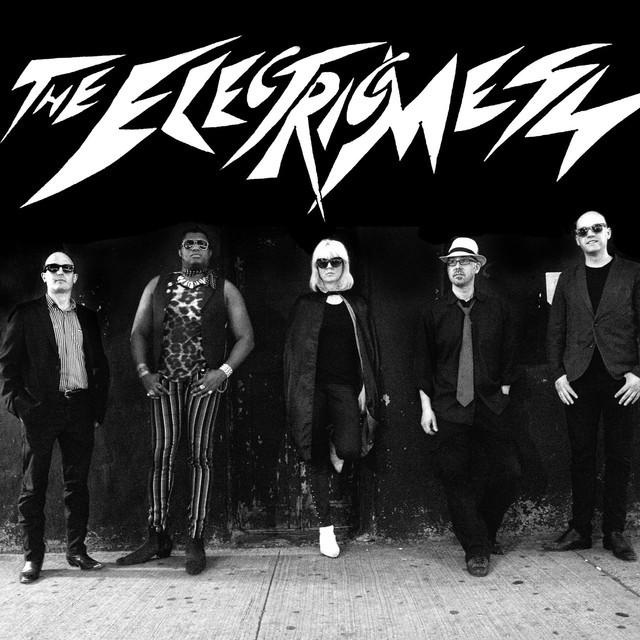
The Electric Mess

Punk
Punk Rock
Garage Rock
 Viberate Rank: 501893
 Viberate Rank: 501893
 Monthly ListenersFollowers
 Subscribers
 Followers
 Followers
 FansTop Spotify SongsTop YouTube Videos
| Video | 7-Day Views | |
|---|---|---|
1 | 10 | |
2 | 6 | |
3 | 5 | |
4 | 3 | |
5 | 1 |
Monthly ListenersFeatured in Playlists| Playlist | Followers | |
|---|---|---|
1 |  El Sótano de Radio 3 Groovyfamily | 9.84K |
2 |  60s style garage surf rock rhinoneal | 3.11K |
3 |  Punk & horrorbilly/psychobilly Halloween Pixles | 3.02K |
4 | Surf-Indie-Garage-Punk-Psycho-Shoegaze-Fuzz-Blues -> Novel Alternative Playlist Louie Louie Rama Lamadindon | 1.70K |
5 | 50's - 60's - 70's - 80's Dance Party + some new retro stuff: R'n'B, Rock 'n' Roll, Soul, Northern Soul, Funk, Ska, Rocksteady, British R'n'B & Rock, Garage Rock, Latin Boogaloo mm Mikael Franzén | 1.30K |
Audience| City | Monthly Listeners | |
|---|---|---|
1 |  | 35 |
2 | | 11 |
3 | | 10 |
4 | | 8 |
5 | | 6 |
See full performance history, audience data, playlist activity, rankings, comparisons, and more in Viberate music analytics. Start with a free trial, then continue with a paid plan.
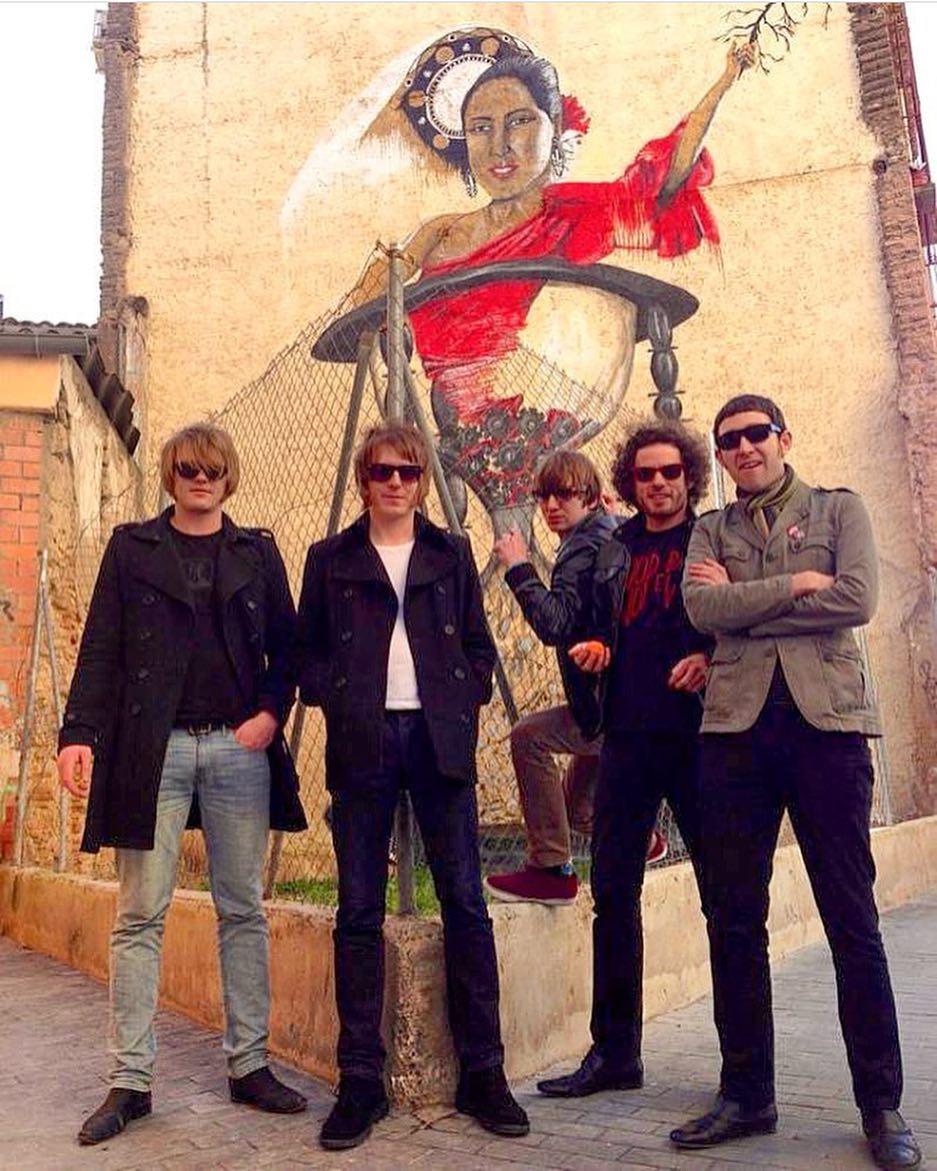
The Electric Mess’ Spotify BioThe Electric Mess are a garage-punk/psychedelic band from New York City, formed in 2007. Led by the dynamic and androgynous Esther Crow (also rhythm guitar and percussion), with Dan Crow (guitar), Oweinama Biu (keyboards, vocals), Derek Davidson (bass), and Alan J. Camlet (drums, vocals), "there has never been a more apt name for a band who encompasses such a massive range of influences... "a real kaleidoscope of sound, rapid fire lyrics, sheer unadulterated urgency, and a real rock'n'roll attitude." (Powerplay Magazine, UK)
Viberate is a music analytics platform built for A&Rs, artist managers, labels, booking agents, marketers, and artists.
It helps music professionals track artist growth, analyze audience data, monitor playlist activity, compare artists, follow song performance, and identify opportunities across the music market.
Public artist pages provide a free preview of selected artist data. Paid plans provide access to deeper analytics, historical data, charts, comparisons, playlist tools, exports, alerts, reports, and additional professional features.
Yes. Public Viberate artist pages provide selected artist analytics and music data for free.
Viberate also offers a 7-day free trial of the full platform. A credit card is required to start the trial. The trial includes access to the complete product so users can test deeper artist analytics, historical views, playlist insights, comparisons, charts, exports, alerts, and reporting features before choosing a paid plan.
Viberate provides artist analytics across streaming, playlists, social media, video, radio airplay, songs, and audience markets.
Users can analyze Spotify performance, Spotify and Apple Music playlists, YouTube activity, TikTok and Instagram growth, radio spins, song performance, audience locations, demographics, rankings, and overall artist momentum.
Artist profiles also connect to music charts, similar artists, and comparison tools, helping users benchmark performance and evaluate artists in context.
Viberate updates key artist and track data daily.
For followed artists and tracks, selected data is refreshed multiple times per day. This helps teams monitor playlist changes, streaming movement, audience growth, releases, and campaign performance with more current data.
Update frequency can vary depending on the metric and data source.
Yes. Viberate lets users compare up to five artists side by side across streaming, social media, audience, and engagement metrics.
Users can compare fanbase growth, audience demographics, locations, Spotify performance, social metrics, and other artist data over selected time periods.
Artist comparison can be used for A&R scouting, benchmarking, booking decisions, campaign planning, and evaluating artists with similar audiences or market positions.