The Duhks

Country
Americana/Alt Country
Bluegrass
Contemporary Blues
 Viberate Rank: 181732
 Viberate Rank: 181732
 Monthly ListenersFollowers
 Subscribers
 Followers
 Followers
 FansTop Spotify Songs
| Track | 7-Day Streams | |
|---|---|---|
1 | 5.87K | |
2 | 1.01K | |
3 | 918 | |
4 | 743 | |
5 | 728 |
Top YouTube VideosMonthly ListenersFeatured in Playlists| Playlist | Followers | |
|---|---|---|
1 |  Instrumental Bluegrass Spotify | 64.57K |
2 |  Mountain Banjo Ryan Stubbs | 19.22K |
3 | dorian.liao | 16.79K |
4 |  Celtic Fiddle 🎻 The Gothard Sisters | 13.51K |
5 |  Cozy Autumn Instrumentals 🍂🕯 The Gothard Sisters | 12.86K |
Audience| City | Monthly Listeners | |
|---|---|---|
1 |  | 417 |
2 | | 373 |
3 | | 369 |
4 | | 365 |
5 | | 354 |
See full performance history, audience data, playlist activity, rankings, comparisons, and more in Viberate music analytics. Start with a free trial, then continue with a paid plan.
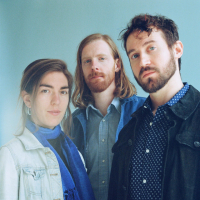
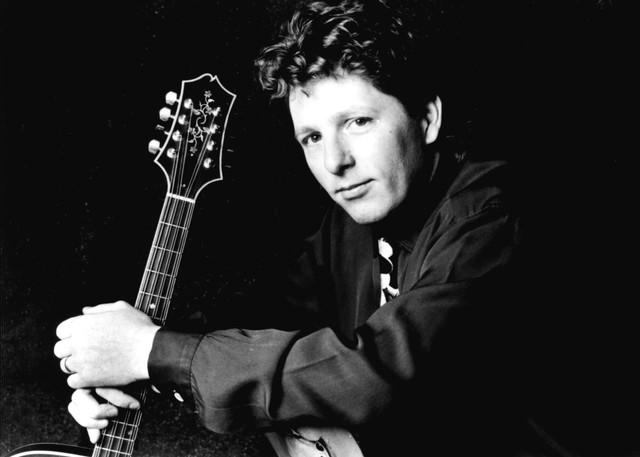
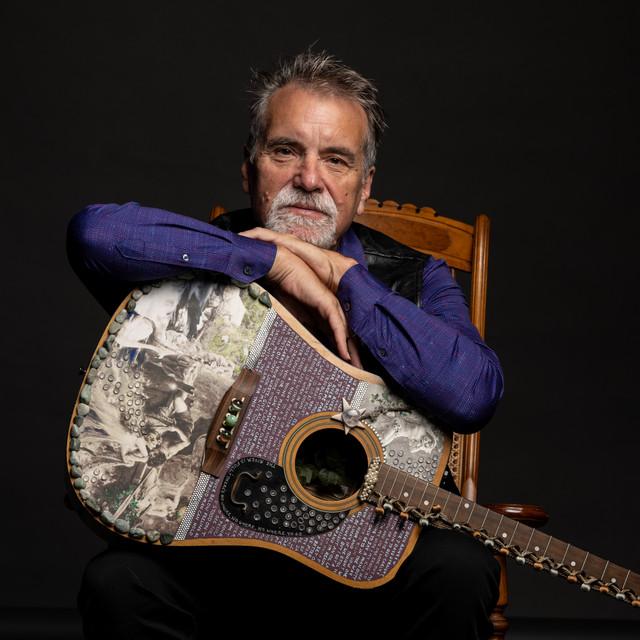
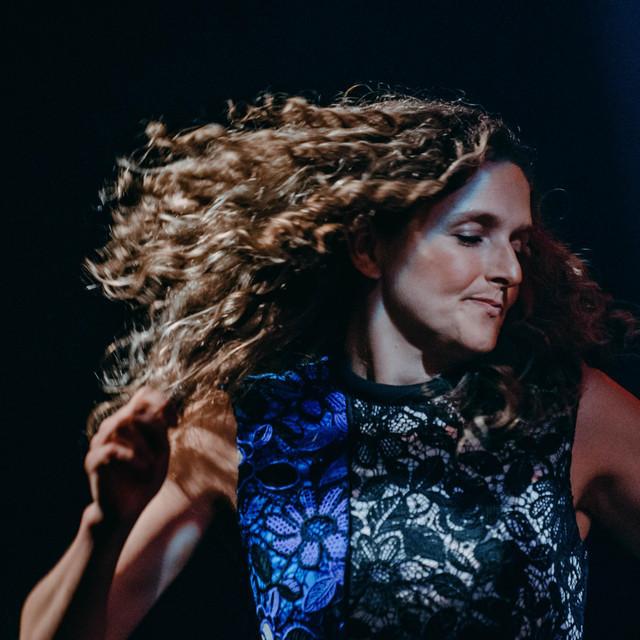
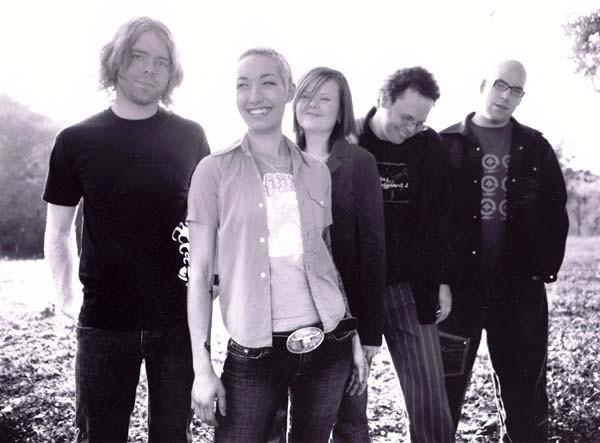
The Duhks’ Spotify BioAfter Leonard Podolak's band Scruj MacDuhk broke up, the Appalachian-style clawhammer banjoist decided that this gave him the perfect opportunity to start another group, one that would fuse eclectic modern sounds with traditional roots. In 2002, along with lead singer Jessica Havey (who brought blues influences with her), fiddler Tania Elizabeth (who played in the French-Canadian style, among others), and guitarist Jordan McConnell (who had studied Celtic guitar), the Duhks self-released their debut, Your Daughters and Your Sons, in Canada in 2002 (it was then re-released in the States the following year). The album did well enough to bring the band a contract with North-Carolina-based Sugar Hill Records, which issued the Duhks' -- who had since added Latin-influenced percussionist Scott Senior -- self-titled Béla Fleck-produced record in 2005. The next year Migrations, produced this time by labelmate and contemporary bluegrass stalwart Tim O'Brien, came out, followed by an extensive… tour and an appearance at 2007's MerleFest. Not long after, Jessica Havey and Scott Senior left the band. Sarah Dugas and her brother Christian Dugas filled the vacant vocalist and drummer roles, and the new band settled down in Nashville to prepare songs for a new album with producer Jay Joyce. Fast Paced World was released that August and the group made immediate plans to tour. Conscious of the amount of waste accumulated on the road, the band started an environmentalism initiative called the Duhks Sustainability Project, complete with a website and mission statement that encouraged musicians to be greener by using biodiesel fuel, wearing earth-friendly cosmetics, and eating organic foods. Beyond the Blue, the group's fifth studio album, produced by Mike Merenda and Ruth Ungar of the Mammals, and helped by the return of vocalist Havey and the addition of new members fiddler Rosie Newton, drummer/percussionist Kevin Garcia, and guitarist/bouzouki player Colin Savoie-Levac, appeared early in 2014. ~ Marisa Brown, Rovi
Viberate is a music analytics platform built for A&Rs, artist managers, labels, booking agents, marketers, and artists.
It helps music professionals track artist growth, analyze audience data, monitor playlist activity, compare artists, follow song performance, and identify opportunities across the music market.
Public artist pages provide a free preview of selected artist data. Paid plans provide access to deeper analytics, historical data, charts, comparisons, playlist tools, exports, alerts, reports, and additional professional features.
Yes. Public Viberate artist pages provide selected artist analytics and music data for free.
Viberate also offers a 7-day free trial of the full platform. A credit card is required to start the trial. The trial includes access to the complete product so users can test deeper artist analytics, historical views, playlist insights, comparisons, charts, exports, alerts, and reporting features before choosing a paid plan.
Viberate provides artist analytics across streaming, playlists, social media, video, radio airplay, songs, and audience markets.
Users can analyze Spotify performance, Spotify and Apple Music playlists, YouTube activity, TikTok and Instagram growth, radio spins, song performance, audience locations, demographics, rankings, and overall artist momentum.
Artist profiles also connect to music charts, similar artists, and comparison tools, helping users benchmark performance and evaluate artists in context.
Viberate updates key artist and track data daily.
For followed artists and tracks, selected data is refreshed multiple times per day. This helps teams monitor playlist changes, streaming movement, audience growth, releases, and campaign performance with more current data.
Update frequency can vary depending on the metric and data source.
Yes. Viberate lets users compare up to five artists side by side across streaming, social media, audience, and engagement metrics.
Users can compare fanbase growth, audience demographics, locations, Spotify performance, social metrics, and other artist data over selected time periods.
Artist comparison can be used for A&R scouting, benchmarking, booking decisions, campaign planning, and evaluating artists with similar audiences or market positions.