The Drones

Rock
Alternative Rock
Noise Rock
Garage Rock
 Viberate Rank: 167719
 Viberate Rank: 167719
 Monthly ListenersFollowers
 Subscribers
 Followers
 Followers
 FansTop Spotify Songs
| Track | 7-Day Streams | |
|---|---|---|
1 | 5.36K | |
2 | 1.82K | |
3 | 1.73K | |
4 | 1.06K | |
5 | 1.02K |
Top YouTube Videos| Video | 7-Day Views | |
|---|---|---|
1 | 245 |
Monthly ListenersFeatured in Playlists| Playlist | Followers | |
|---|---|---|
1 |  The Streets of Your Town Spotify | 84.76K |
2 |  WonkoFM WonkoTheSane | 21.06K |
3 | Ignatious Pop 1 | 11.61K |
4 |  El Sótano de Radio 3 Groovyfamily | 9.84K |
5 |  Alt Indie Rising DinoStar Records | 6.86K |
Audience| City | Monthly Listeners | |
|---|---|---|
1 | | 3.49K |
2 | | 2.33K |
3 | | 1.47K |
4 | | 993 |
5 | | 587 |
See full performance history, audience data, playlist activity, rankings, comparisons, and more in Viberate music analytics. Start with a free trial, then continue with a paid plan.
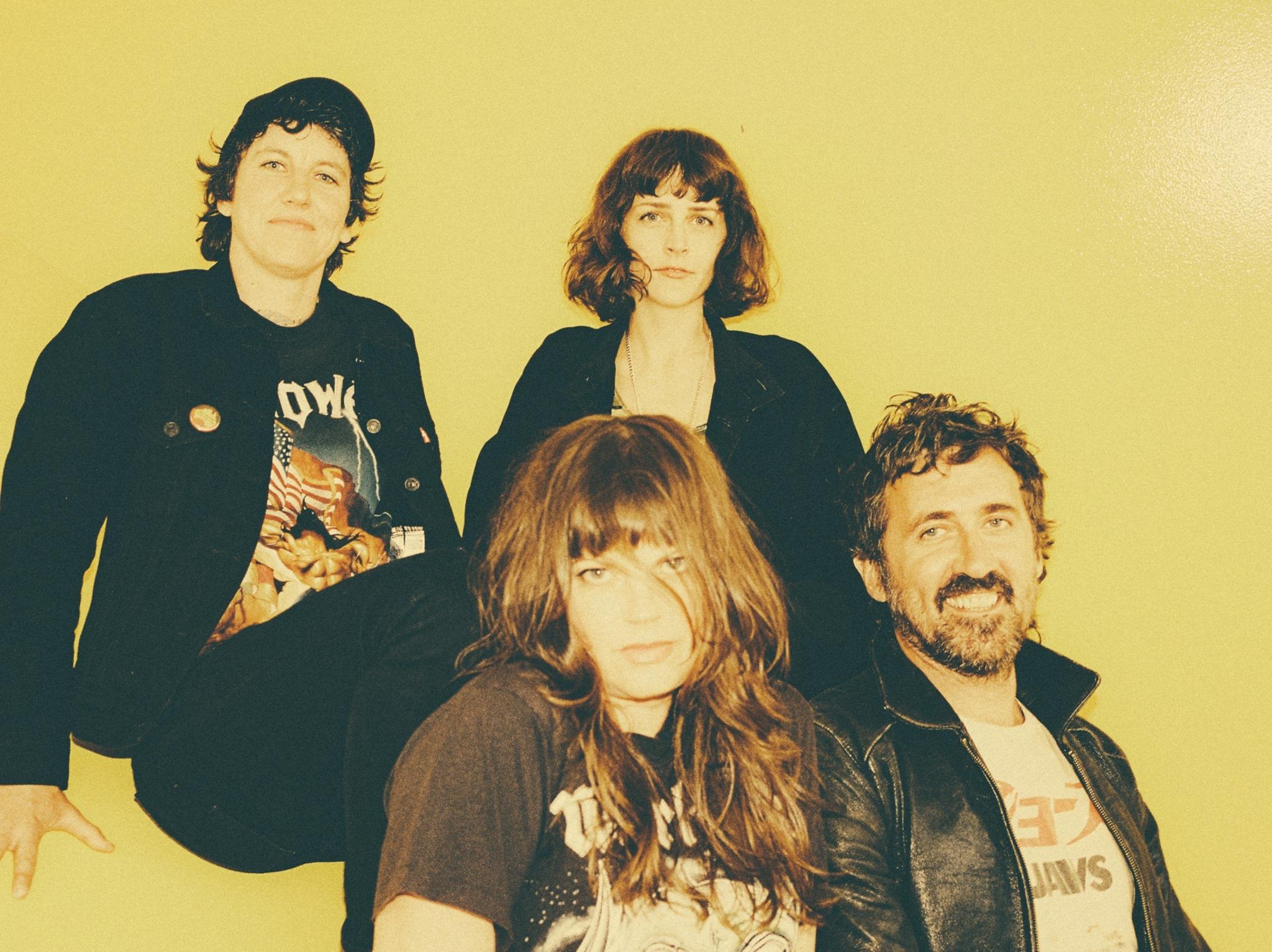
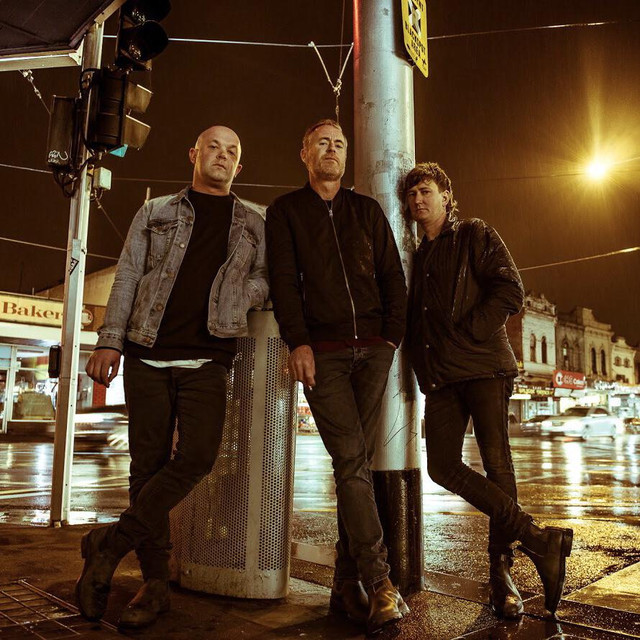
The Drones’ Spotify BioPerth, Australia, has a reputation as being one of the most isolated major cities in the world, with most of a continent separating it from Australia's other big population centers and the vastness of the Indian Ocean facing it on the other side. Little wonder, perhaps, that the Drones initially formed on the basis of two people getting out of town in 2000. Guitarist/singer Gareth Liddiard and guitarist Rui Pereira, formerly of the Gutterville Splendour Six, had gained some attention -- even a bit of John Peel airplay -- but felt that the music scene was dying on its legs and, after an abortive first version of the group, relocated to the east, first to Sydney and then to Melbourne. Local advertising turned up drummer Chris Strybosch, formerly of the Stunt Car Drivers, while bassist Fiona Kitchin was invited to join them there, so she made the trip from Perth as well.
The inspired combination resulted in even more inspired music, hot-wiring a frenetic blues/trash-rock heritage in the… vein of earlier Australian legends with similar overseas inspirations, with Liddiard's often extreme vocals the killer touch. A self-released EP and series of performances around Melbourne gained the Drones swift attention, eventually resulting in a label offer from Spooky for their full-length debut in 2002, Here Come the Lies. Further touring led to some initial overseas appearances; however, while the group's second album was recorded in 2003 for Spooky, the Drones wanted to look for another label to release it, resulting in some delay while the band raised the money to buy back the tapes.
The sophomore album was eventually released in 2005 as the brilliantly titled Wait Long by the River and the Bodies of Your Enemies Will Float By, which, as the group's first full international release (thanks to the All Tomorrow's Parties label), gained the group even more exposure, matched by a series of energetic tours. Strybosch was in the meantime replaced by new drummer Mike Noga, and the end of 2005 found the Drones planning an even more extensive series of dates worldwide. That same year saw the release of The Miller's Daughter, followed quickly by Gala Mill, the latter of which was nominated for the 2006 Australian Music Prize. Havillah, the band's fifth studio long-player, dropped in 2008, with the J Award-nominated I See Seaweed arriving in 2013. Feelin Kind of Free, the group's seventh full-length outing, followed in March 2016. Drummer Mike Noga died on August 27, 2020, at the age of 42. ~ Ned Raggett, Rovi
Viberate is a music analytics platform built for A&Rs, artist managers, labels, booking agents, marketers, and artists.
It helps music professionals track artist growth, analyze audience data, monitor playlist activity, compare artists, follow song performance, and identify opportunities across the music market.
Public artist pages provide a free preview of selected artist data. Paid plans provide access to deeper analytics, historical data, charts, comparisons, playlist tools, exports, alerts, reports, and additional professional features.
Yes. Public Viberate artist pages provide selected artist analytics and music data for free.
Viberate also offers a 7-day free trial of the full platform. A credit card is required to start the trial. The trial includes access to the complete product so users can test deeper artist analytics, historical views, playlist insights, comparisons, charts, exports, alerts, and reporting features before choosing a paid plan.
Viberate provides artist analytics across streaming, playlists, social media, video, radio airplay, songs, and audience markets.
Users can analyze Spotify performance, Spotify and Apple Music playlists, YouTube activity, TikTok and Instagram growth, radio spins, song performance, audience locations, demographics, rankings, and overall artist momentum.
Artist profiles also connect to music charts, similar artists, and comparison tools, helping users benchmark performance and evaluate artists in context.
Viberate updates key artist and track data daily.
For followed artists and tracks, selected data is refreshed multiple times per day. This helps teams monitor playlist changes, streaming movement, audience growth, releases, and campaign performance with more current data.
Update frequency can vary depending on the metric and data source.
Yes. Viberate lets users compare up to five artists side by side across streaming, social media, audience, and engagement metrics.
Users can compare fanbase growth, audience demographics, locations, Spotify performance, social metrics, and other artist data over selected time periods.
Artist comparison can be used for A&R scouting, benchmarking, booking decisions, campaign planning, and evaluating artists with similar audiences or market positions.