The Dreamside

Metal
Alternative Metal
Gothic Metal
 Viberate Rank: 313585
 Viberate Rank: 313585
 Monthly ListenersFollowers
 Subscribers
 Followers
 Followers
 FansTop Spotify Songs
| Track | 7-Day Streams | |
|---|---|---|
1 | 470 | |
2 | 407 | |
3 | 397 | |
4 | 397 | |
5 | 397 |
Top YouTube VideosMonthly ListenersFeatured in Playlists| Playlist | Followers | |
|---|---|---|
1 |  gothic metal & symphonic metal 🥀 lesfleursdumal | 12.47K |
2 |  Vampire: the Masquerade Rich Angel Santillan | 4.22K |
3 | Pagan Folk Rock Noel Dickover | 3.78K |
4 |  Ethereal Wave - Heavenly Voices - Romantic Goth - Neoclassical Travis Wade | 3.31K |
5 | 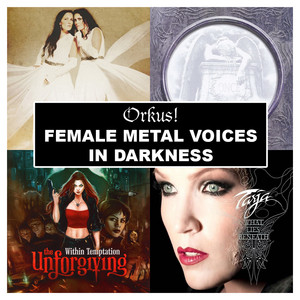 FEMALE METAL VOICES in DARKNESS Orkus! | 2.59K |
Audience| City | Monthly Listeners | |
|---|---|---|
1 |  | 39 |
2 |  | 29 |
3 |  | 20 |
4 |  | 18 |
5 |  | 14 |
See full performance history, audience data, playlist activity, rankings, comparisons, and more in Viberate music analytics. Start with a free trial, then continue with a paid plan.
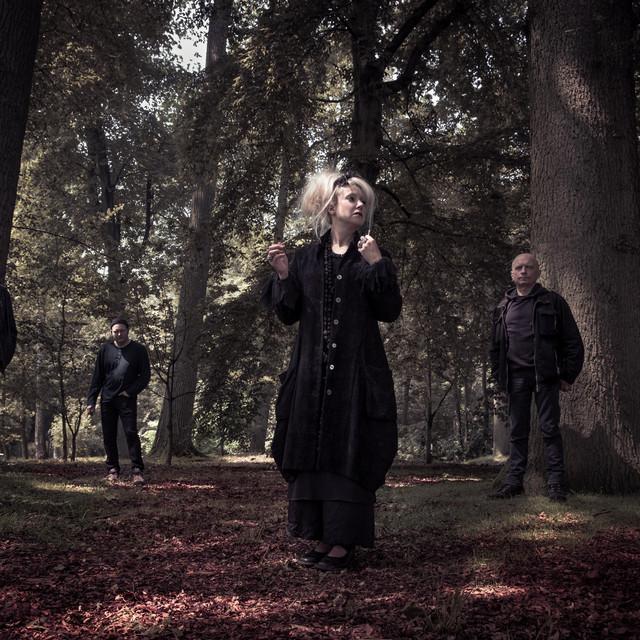
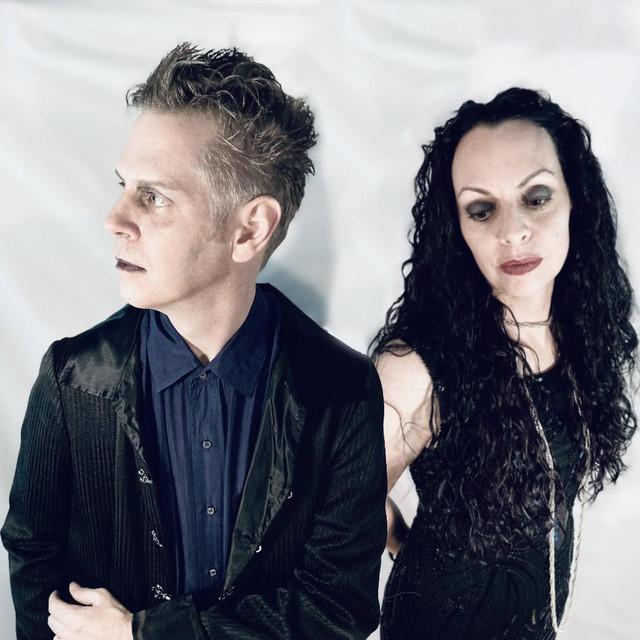
The Dreamside’s Spotify BioFormed in 1993 by vocalist Kemi Vita, The Dreamside made a strong debut with "Pale Blue Lights" in 1993, followed by the dance mini-album "Nuda Veritas" in 1996. Their 1997 release "Apaika" showcased the band's diverse blend of acoustic and heavy elements, including guitars, grand piano, ethnic influences, flute, didgeridoo, and percussion. "Mirror Moon" (2001) marked a re-birth, fusing metal, gothic, electro, and ambient sounds. US label Dancing Ferret Discs compiled "Faery Child" in 2003, featuring the band's material for the American market, including unreleased tracks and a remix by The Cruxshadows.
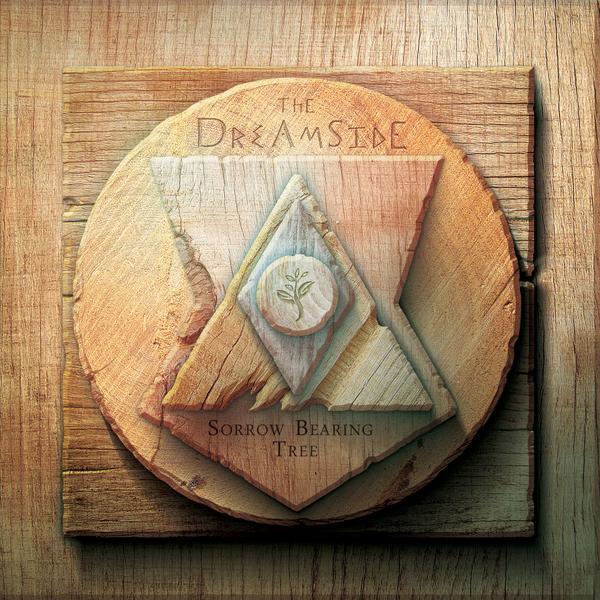
"Spin Moon Magic" (2005) received high praise as a masterpiece of the Metal Female Voices genre, entering the top 5 alternative charts in multiple countries. The band celebrated their 13th anniversary with the remix album "The 13th Chapter" in 2006. "Lunar Nature" (2009) featured collaborations, including a track with "Information Society" and an animation clip. Their sixth studio album,… "Sorrow Bearing Tree," bridged gothic metal and alternative rock, featuring duets with Flo Schwarz and Ralf Mastwijk. Produced by Kemi Vita and Roman Schönsee, the album continued The Dreamside's tradition of collaboration and innovation.
Viberate is a music analytics platform built for A&Rs, artist managers, labels, booking agents, marketers, and artists.
It helps music professionals track artist growth, analyze audience data, monitor playlist activity, compare artists, follow song performance, and identify opportunities across the music market.
Public artist pages provide a free preview of selected artist data. Paid plans provide access to deeper analytics, historical data, charts, comparisons, playlist tools, exports, alerts, reports, and additional professional features.
Yes. Public Viberate artist pages provide selected artist analytics and music data for free.
Viberate also offers a 7-day free trial of the full platform. A credit card is required to start the trial. The trial includes access to the complete product so users can test deeper artist analytics, historical views, playlist insights, comparisons, charts, exports, alerts, and reporting features before choosing a paid plan.
Viberate provides artist analytics across streaming, playlists, social media, video, radio airplay, songs, and audience markets.
Users can analyze Spotify performance, Spotify and Apple Music playlists, YouTube activity, TikTok and Instagram growth, radio spins, song performance, audience locations, demographics, rankings, and overall artist momentum.
Artist profiles also connect to music charts, similar artists, and comparison tools, helping users benchmark performance and evaluate artists in context.
Viberate updates key artist and track data daily.
For followed artists and tracks, selected data is refreshed multiple times per day. This helps teams monitor playlist changes, streaming movement, audience growth, releases, and campaign performance with more current data.
Update frequency can vary depending on the metric and data source.
Yes. Viberate lets users compare up to five artists side by side across streaming, social media, audience, and engagement metrics.
Users can compare fanbase growth, audience demographics, locations, Spotify performance, social metrics, and other artist data over selected time periods.
Artist comparison can be used for A&R scouting, benchmarking, booking decisions, campaign planning, and evaluating artists with similar audiences or market positions.